Boarding a DM Dog: What's Actually Possible
Boarding a DM dog isn't impossible — but standard kennels won't cut it. Here's what specialty medical boarding, in-home sitters, and a solid handoff document…
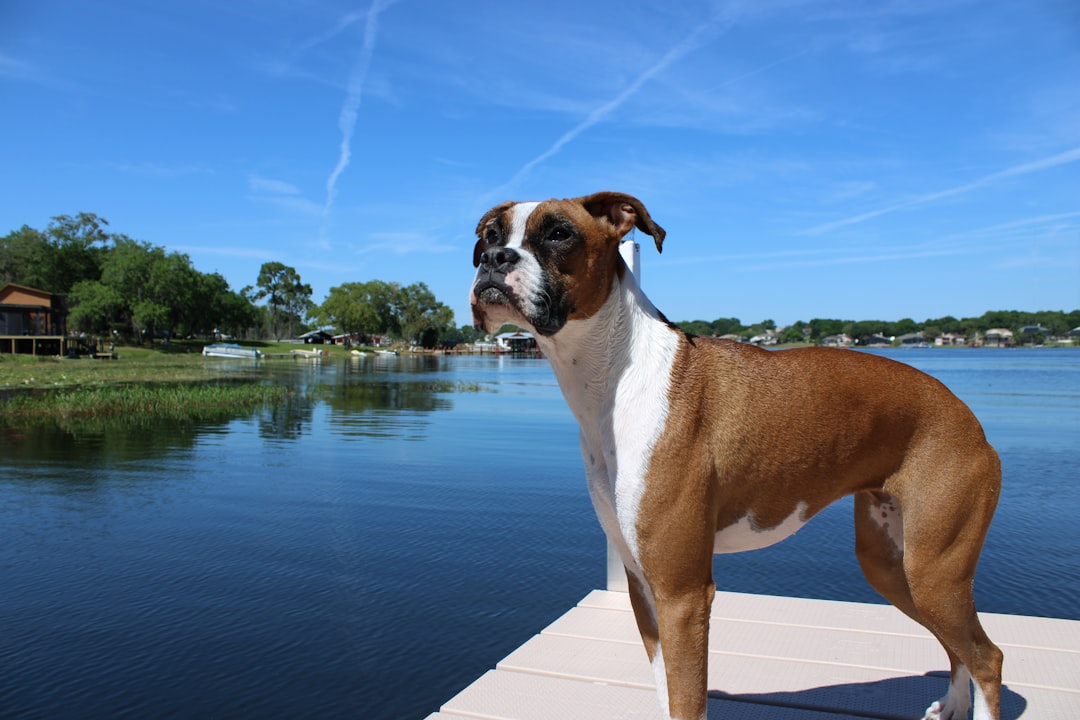
Photo by Kali vermillion on Unsplash
Boarding a dog with degenerative myelopathy is genuinely complicated — but with the right setup, it’s possible, and leaving yourself without options is worse than doing the hard work of figuring this out now.
DM caregiving is physically demanding and highly specific to your dog. The routines you’ve built — the harness lift technique that works, the bladder schedule, the way you reposition at night — aren’t obvious to anyone walking in cold. That’s exactly why most owners feel stuck when they need to travel. The gap isn’t that boarding is impossible; it’s that the prep work is real, and you have to do it deliberately.
Why Standard Kennels Usually Fall Short
Standard kennels are not equipped for a DM dog, and most will tell you so if you ask the right questions. Staff aren’t trained in bladder expression, harness support, or positioning for pressure sore prevention. Run kennels with concrete floors and short check-in windows are actively risky for a dog who can’t reposition themselves, knuckles on hard surfaces, or needs a bladder routine every 4–6 hours.
A standard boarding environment introduces risks that build quietly: a DM dog left in one position too long develops pressure sores fast, and a missed bladder expression can lead to a urinary tract infection within days. As covered in our guide on DM dog bladder and bowel care, the routine you’ve built at home is keeping a lot of problems at bay — and it needs to transfer.
- Do you have staff trained in manual bladder expression for incontinent dogs?
- How often are non-ambulatory dogs repositioned, and who checks for skin breakdown?
- What flooring is used in the boarding area — is it padded or non-slip?
- Can you administer prescription medications on a specific schedule?
- What’s your protocol if a dog shows signs of distress or a UTI overnight?
If a facility can’t answer those questions confidently, keep looking.
What Are Your Actual Boarding Options?
Your realistic options fall into three categories, and which one fits depends on your dog’s current DM stage and your local resources.
Specialty Veterinary or Medical Boarding
Some veterinary hospitals and specialty clinics offer medical boarding for dogs with complex needs. This is the gold standard for a DM dog — trained staff, on-site veterinary oversight, and the ability to handle medication changes or health changes without you present.
Medical boarding is more expensive than standard kennels, often significantly so. But for a dog who needs bladder expression, regular repositioning, and harness-assisted movement, it’s the safest option. Call your dog’s neurologist or rehab vet first — they often know which local facilities have genuine experience with mobility-impaired dogs.
In-Home Pet Sitters
An experienced in-home sitter is a strong option for many DM dogs, particularly because your dog stays in a familiar environment with familiar flooring, bedding, and smells. Stress is lower, which matters for a dog whose condition is already physically taxing.
The catch is finding someone genuinely qualified. Platforms like Rover and Wag let sitters self-describe as “special needs experienced,” but that label covers a wide range. You need to ask specific questions: Have they assisted a non-ambulatory dog? Do they know how to use a rear-support harness? Are they comfortable with bladder expression if your dog needs it?
Word of mouth from the DM caregiver community is often the best lead. Many DM-focused Facebook groups have local recommendation threads, and other owners in your area may have found someone they trust.
- Ask them to come for a two-hour hands-on session before committing — watch how they handle the harness, transfers, and your dog’s anxiety
- Have them perform the bladder routine under your supervision at least once
- Share your handoff document in advance and ask if anything is unclear
- Do a paid trial overnight or full day before your actual trip
Asking a Trusted Friend or Family Member
If you have someone willing and physically capable, training a friend or family member can work well. The advantage is trust — you know them, your dog knows them, and they’re motivated to do it right. The disadvantage is that the learning curve falls entirely on you, and there’s no professional backup if something goes wrong.
This works best for dogs in earlier DM stages who are still partially ambulatory and whose bladder routine is straightforward. For late-stage dogs with full incontinence, complete rear-end paralysis, or complex medication schedules, a friend without caregiving experience may be overwhelmed — even with the best intentions.
Building a Handoff Document That Actually Works
A handoff document is the single most important thing you can prepare, regardless of who is watching your dog. It should be specific enough that someone who has never met your dog before can manage a 24-hour window without calling you in a panic.
Dog’s current DM stage and mobility status: What can your dog do independently? What do they need help with? Can they stand briefly with support, or are they fully non-ambulatory?
Medication schedule: Every medication by name, dose, timing, and method of administration. Include a photo of each pill or liquid if that helps. Note any medications that must be given with food.
Bladder and bowel routine: Exact timing, method (expression vs. assisted outdoor trip), positioning, what normal looks like, and what’s a warning sign. Include step-by-step expression instructions if your sitter needs them — or better, a short video walkthrough you record at home.
Mobility aids and how to use them: Which harness, how to fit it, how to support the rear end during transfers. If your dog uses a sling or rear-support harness, the sitter needs to practice with it before you leave.
Skin and pressure sore checks: Where to look, what early signs look like, and what to do if they find one.
Feeding instructions: Food type, quantity, any additives, and whether your dog needs to be positioned a certain way to eat safely.
Behavioral notes: What stresses your dog, what comforts them, how they signal discomfort or pain.
Emergency contacts: Your cell, your vet’s main number, and an after-hours emergency clinic with address.
- Keep it to 2 pages maximum — longer documents get skimmed in stressful moments
- Use bold headers so someone can find the bladder section at 2 a.m. without reading everything
- Include a simple daily schedule: 7am — medications with breakfast, 8am — harness-assisted outdoor trip, etc.
- Print a physical copy AND share a digital one
The Trial Run You Shouldn’t Skip
The biggest mistake owners make is waiting until the actual trip to discover problems. A trial run — where the sitter or facility cares for your dog while you’re still nearby and reachable — is how you catch issues before they become emergencies.
For an in-home sitter, this means having them come for a full day (or overnight) while you’re available by phone. Step out of the house so your dog experiences your absence, but stay close enough to return in 20 minutes if needed. Debrief afterward: What was confusing? What did they feel uncertain about? What does your dog need that wasn’t in the document?
For a medical boarding facility, ask if they offer a short trial stay — even four hours while you run errands — so staff can assess your dog’s actual needs before a multi-day visit.
The trial run also helps your dog. DM dogs are often anxious in new situations or with new handlers, and a low-stakes first exposure makes the real trip less stressful for everyone.
Related Reading
- Leaving a DM Dog Alone: How Long Is Safe?
- Dog Walkers, Sitters, and DM: Finding Help Who Gets It
- DM Dog Bladder & Bowel Care: Expression, Skin, Routines
Boarding a DM dog is one of those things that feels impossible until you’ve actually done the planning. The first time is the hardest — assembling the document, finding someone you trust, getting through that trial run. But once you have it set up, you have something you can build on. You deserve to be able to leave the house, take a trip, handle a family emergency. Your dog’s care doesn’t have to be the reason you can’t.
This guide is based on real experience and should be used alongside professional veterinary care. Always consult your veterinarian before starting any new treatment or making changes to your dog’s care plan.
Frequently Asked Questions
Can I board a dog with degenerative myelopathy at a regular kennel?
Most standard kennels are not equipped for DM dogs. They typically lack staff trained in bladder expression, harness support, or pressure sore prevention. A specialty veterinary or medical boarding facility is a much safer option.
What should a DM dog handoff document include?
It should cover your dog’s current DM stage, full medication schedule, bladder and bowel routine (including expression technique if needed), mobility aids and how to use them, skin and pressure sore checks, feeding instructions, and your vet’s emergency contact information. Keeping it to two pages with bold headers makes it usable under stress.
How do I find an in-home sitter who can handle a DM dog?
Look for sitters with experience in senior or special-needs dogs, and ask specifically whether they’ve assisted with mobility support, bladder expression, or incontinence care. Word of mouth from DM caregiver communities often surfaces the best local leads. A trial run at home before your trip is essential.
How far in advance should I arrange boarding for a DM dog?
Start looking at least 4–6 weeks out, longer if your dog needs specialty medical boarding. Qualified sitters and facilities for special-needs dogs book quickly, and you want time for a trial run before you actually leave.