Belly Bands & Diapers for DM Dogs: What Works
Incontinence gear for DM dogs — what actually works, how to size it, and how to protect skin. Hard-won tips from the disabled dog community.
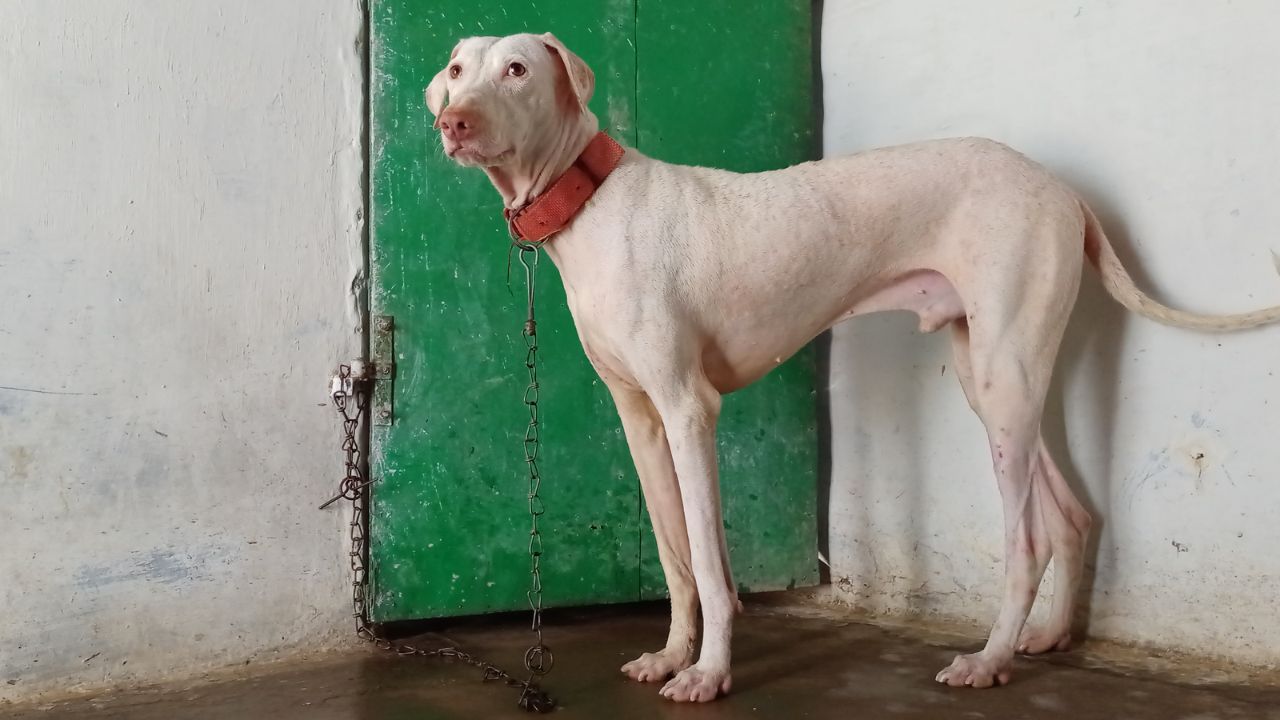
Managing incontinence in a DM dog is one of the hardest parts of caregiving, but the right gear, used correctly, makes a meaningful difference in your dog’s comfort and your sanity.
Managing incontinence isn’t a topic anyone wants to read about, but if your dog has degenerative myelopathy (DM), it’s eventually unavoidable. DM is a progressive neurological disease that affects the spinal cord, and as it advances, dogs lose voluntary control of both bladder and bowels. Knowing what gear actually works, and how to use it correctly, is one of the most practical things you can do for your dog right now.
Belly Band or Diaper: Which Does a DM Dog Need?
For most DM dogs, a full diaper is ultimately the better choice, though belly bands work well for males in the early incontinence phase when only urinary leakage is present. As DM progresses, the majority of dogs lose bowel control as well, and a belly band simply isn’t designed to handle that.
Here’s a quick breakdown:
| Option | Best For | Limitations |
|---|---|---|
| Belly band | Male dogs, urinary leakage only | Doesn’t cover rear end; useless for bowel accidents |
| Full diaper (disposable) | All dogs, urinary + fecal | Cost adds up; sizing can be tricky |
| Reusable cloth diaper | Budget-conscious caregivers | Requires more washing; still needs inserts |
 disableddogcare.com
From what I’ve seen in the disabled dog community, most caregivers start with belly bands for male dogs and transition to full diapers within a few months once the disease progresses. For female dogs, diapers from the start make the most sense.
- Measure the waist circumference at the widest point of the abdomen, just in front of the hips
- When between sizes, go up — too tight creates pressure points
- Many caregivers find “medium” human baby diapers work for small-to-medium dogs in a pinch (cut a tail hole)
How Often Should You Change the Diaper?
Every 3–4 hours is the minimum for most DM dogs, more often if your dog has a bowel accident or you can tell the diaper is saturated. Leaving a wet diaper on longer than that is one of the fastest routes to urine scald, which is a painful chemical burn from prolonged skin contact with urine.
This is the part most new caregivers underestimate. It’s not about finding a diaper that holds more. It’s about building a consistent change schedule into your day. Many caregivers I’ve spoken with tie changes to mealtimes and major activity breaks: after breakfast, midday, after dinner, and before bed.
For dogs who spend time in a wheelchair or who are actively moving, check the fit after exercise too, as movement shifts diapers and can cause rubbing.
Protecting the Skin: The Step You Cannot Skip
Urine scald can develop quickly on a DM dog who can’t reposition themselves, and it’s genuinely painful. The good news is it’s largely preventable with a consistent routine.
At every diaper change:
- Remove and inspect: Look at all skin that was in contact with the diaper, including the inner thighs, around the vulva or prepuce (the sheath around the penis), and the lower abdomen
- Clean thoroughly: Use unscented dog wipes or warm water and a soft cloth; wipe front to back and be gentle, as irritated skin is fragile
- Air dry: Even 60–90 seconds of air time helps
- Apply a barrier: A thin layer of petroleum jelly or a purpose-made barrier cream on any skin touching the diaper; this is non-negotiable for dogs wearing diapers most of the day
- Check for redness: Pink skin is a warning; raw or weeping skin needs veterinary attention
- Redness or pink discoloration that doesn’t clear up between changes
- Any skin that looks wet, raw, or broken
- A strong ammonia smell even after cleaning (may indicate urine is pooling somewhere)
- Your dog flinching or vocalizing during diaper changes
What About Belly Bands Specifically?
Belly bands are a tube of fabric that wraps around a male dog’s midsection and holds an absorbent pad against the prepuce. They come in washable and disposable varieties, and many caregivers find them less disruptive than full diapers for a dog who still has some hindquarter mobility.
The fit matters more than the brand. A belly band that slips backward is useless; one that’s too tight creates a pressure point over the spine, which is something you really don’t want for a dog with spinal disease. Look for belly bands with adjustable velcro closures and at least two attachment points so the band stays level.
If your male DM dog is starting to have occasional accidents but still has reasonable rear-leg function, a belly band with a good absorbent insert is a reasonable starting point. Just know that you’ll likely be transitioning to full diapers as things progress.
- Keep a changing station stocked and within easy reach, as anything that makes changes faster and less stressful helps both of you
- Washable diapers with waterproof covers cut long-term costs significantly
- Keeping the fur around the diaper area trimmed short reduces moisture retention and makes cleanup easier
- Rotate between two or three diapers/bands so one is always clean and dry
Managing Fecal Incontinence
Fecal incontinence is harder to manage than urinary, full stop. It tends to happen irregularly and is more difficult to contain cleanly. A few things that help, based on patterns caregivers commonly report:
- Timed feeding can make bowel movements more predictable, as feeding at consistent times often leads to a more predictable elimination schedule
- Stool consistency matters: Very loose stool is much harder to manage in a diaper than well-formed stool; talk to your vet about diet adjustments if this is an issue
- High-absorbency diapers with a snug rear fit do better with fecal accidents than basic designs
- Post-meal check-ins: Many DM dogs have bowel movements within 20–30 minutes of eating; staying nearby during this window means faster cleanup
For dogs in later-stage DM who are fully incontinent and spending more time lying down, preventing fecal matter from contacting skin for extended periods is critical for preventing both urine scald and pressure sore infections. This is where the full care routine described in Bowel & Bladder Care for DM Dogs becomes essential.
Related Reading
- Bowel & Bladder Care for DM Dogs
- DM Dog Incontinence: Daily Care Guide
- Pressure Sores in DM Dogs: Prevention & Care
Dealing with incontinence isn’t easy, and there will be days when it feels like you’re just one step behind. But the caregivers I’ve talked to who build a solid, consistent routine (a real schedule, a stocked changing station, a barrier cream habit) all say the same thing: it becomes manageable. Your dog doesn’t have to be uncomfortable, and you don’t have to feel like you’re failing. This is just one more thing you figure out, together.
Frequently Asked Questions
Can a DM dog wear a belly band or diaper all day?
Not safely without breaks. Most caregivers and rehab therapists recommend removing the band or diaper every 3–4 hours to let the skin air out and to clean the area thoroughly. Leaving incontinence gear on too long is one of the fastest ways to cause urine scald and skin breakdown.
What’s the difference between a belly band and a diaper for dogs?
A belly band wraps around the abdomen and is designed for male dogs with urinary incontinence, catching leaks without covering the rear end. A full dog diaper covers the hindquarters and works for both urinary and fecal incontinence, making it the more common choice for DM dogs who lose bowel control as the disease progresses.
How do I know what size diaper to buy for my DM dog?
Measure your dog’s waist circumference at the widest point of the abdomen, just in front of the hips, as most brands use this measurement for sizing. When in between sizes, go up rather than down; a diaper that’s too tight restricts movement and creates pressure points, which is a real concern for a dog who already has mobility challenges.
How do I prevent urine scald under a diaper?
Clean the skin thoroughly at every change, let it air dry for a minute or two, and apply a thin layer of a barrier product like petroleum jelly to all skin that contacts the diaper. Catching any redness early is key, as urine scald can go from pink to raw in 24 hours on a dog who can’t shift position to relieve pressure.
This guide is based on real experience and should be used alongside professional veterinary care. Always consult your veterinarian before starting any new treatment or making changes to your dog’s care plan.