Appetite Changes in DM Dogs: What's Normal and When to Worry
DM dogs often eat less as the disease progresses — but some appetite changes signal something more serious. What caregivers need to know about feeding a dog…
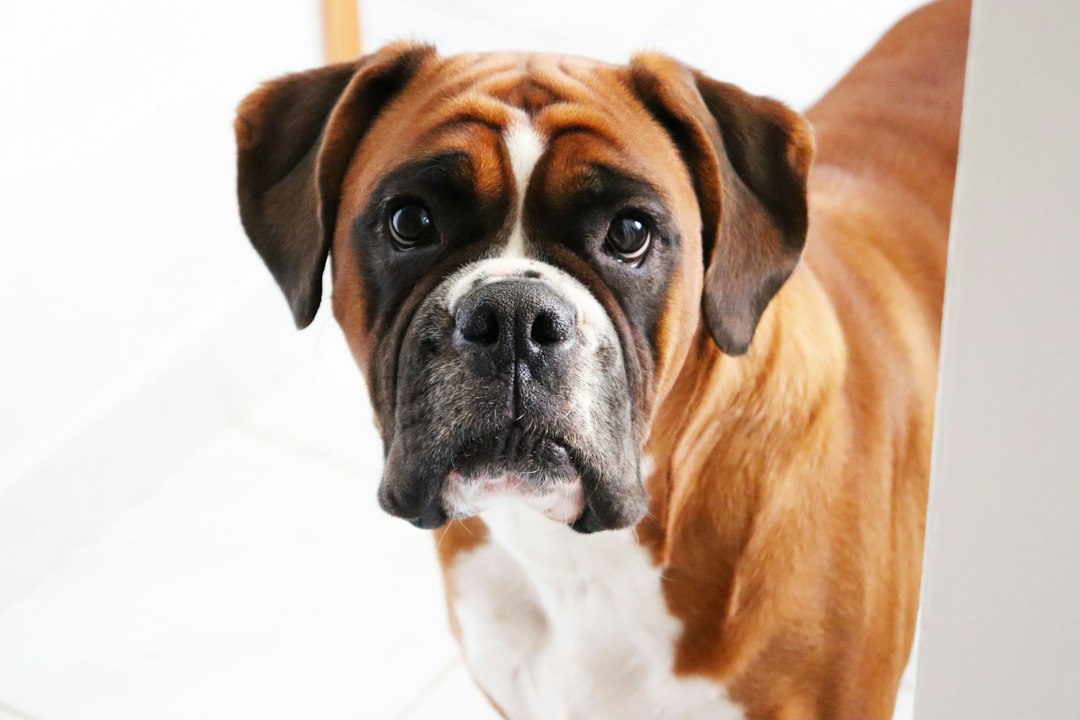
Photo by Lucie Helešicová on Unsplash
A DM dog eating less isn’t always a crisis — but it’s always information worth paying attention to.
Watching your dog push away the bowl they used to empty in thirty seconds is unsettling. When you’re already managing a progressive neurological disease like degenerative myelopathy, any new symptom can feel like the floor dropping out. But appetite changes in DM dogs are genuinely common, and most of them have logical explanations that don’t mean things are suddenly worse. The trick is knowing which changes to ride out and which ones to call your vet about.
Why Do DM Dogs Often Eat Less?
There are several well-understood reasons a dog with degenerative myelopathy might eat less than they used to — and most of them are not emergencies. A dog who is moving less simply burns fewer calories. A dog who is on pain or nausea-inducing medications may have a blunted appetite. And a dog whose body is working differently than it used to may simply need time to find a new normal.
Reduced Activity Means Reduced Caloric Need
This one catches a lot of owners off guard. Before DM, your dog may have been enthusiastically active — longer walks, chasing things in the yard, pulling ahead on the leash. As rear-end weakness progresses and exercise capacity drops, the body genuinely needs less fuel. A dog who was burning 800 calories a day during active life doesn’t need the same amount when most of their day is now rest and short, supported walks.
Many caregivers I’ve spoken with describe their DM dog becoming “picky” or “disinterested” in food as the disease progresses — and in many cases, the dog isn’t sick. They’re just not hungry for the same volume they used to eat. This is worth tracking in a DM symptom and progression log so you have real data, not just a vague sense that things have changed.
The risk, though, is that underfeeding a DM dog accelerates muscle loss. Dogs with DM are already fighting muscle wasting as a direct consequence of the disease. If appetite drops and you don’t adjust the diet to maintain adequate protein, the decline can be faster. If your dog is eating less volume, talk to your vet about whether a calorie-dense, high-protein food is a better fit than simply offering the same food in smaller amounts.
Medication Side Effects
If your DM dog is on medication — and many are, for pain management, inflammation, anxiety, or comorbid conditions — appetite changes may be a direct side effect of what’s in their system.
- NSAIDs (like carprofen or meloxicam): Can cause gastrointestinal upset, nausea, and appetite suppression in some dogs, especially on an empty stomach.
- Prednisone or other corticosteroids: Usually increase appetite dramatically, but some dogs experience the opposite, especially when dosing is being tapered.
- Gabapentin: Often causes sedation and can blunt interest in food, particularly when first starting or increasing the dose.
- Muscle relaxants: Can cause drowsiness and reduced motivation to eat.
If your dog’s appetite shifted noticeably within a week or two of a medication change, that’s a strong signal to mention it to your vet. Many side effects stabilize over time, but some don’t — and your vet may be able to adjust timing, dosing, or switch to an alternative.
- Note when the appetite change started relative to any medication changes
- Record whether appetite is consistently low or variable day to day
- Track weight weekly — your bathroom scale with and without the dog works fine
- Note whether your dog shows interest in food but doesn’t finish, or shows no interest at all
Bowl Position and Physical Access
This one is easy to overlook, but it matters. As DM progresses and rear-end weakness becomes more significant, many dogs shift their posture in ways that make eating from a floor-level bowl uncomfortable or difficult. A dog whose hind end is weak may struggle to balance while bending down to eat, especially on slippery floors. The physical effort of eating can become genuinely taxing.
Later in the disease, when front-leg weakness begins to appear (a sign that DM has advanced to the cervical spinal cord), reaching down becomes even harder. Some dogs appear to want food but walk away after a bite or two — not because they’re not hungry, but because the position is genuinely difficult.
Elevating the food bowl to approximately chest height can make a real difference. It reduces the neck bend required and takes strain off a body that is working hard just to stay upright. The nutrition and weight management guide for DM dogs covers this in more depth, including how to assess whether your dog’s weight is stable as mobility changes.
- Raise the food bowl to chest height using a stand or stable surface
- Feed on non-slip flooring so your dog isn’t working to maintain balance while eating
- Consider hand-feeding or offering food in a flat dish if your dog is struggling to reach a raised bowl in late-stage DM
- Offer smaller meals more frequently rather than one or two large ones
What Does Normal Weight Look Like for a DM Dog?
Ideal weight for a DM dog is actually slightly on the leaner side of normal. Excess weight adds stress to limbs that are already working harder to compensate for rear-end weakness, and it makes physical support during sling-assisted walks much harder on both the dog and the caregiver. Most rehab veterinarians and neurologists recommend keeping DM dogs lean but not thin.
You should be able to feel the ribs easily with light pressure but not see them prominently at rest. If you’re noticing visible spine or hip bones, or if your dog has lost a significant amount of weight in a short period, that’s not normal DM-related appetite adjustment — that’s a vet call.
Weigh your dog weekly. Write it down. A slow, gradual downward trend over months is different from a five-pound drop over two weeks.
When Should You Worry About Appetite Changes?
Some appetite changes in DM dogs need a veterinary conversation right away. These are not the “she’s eating a bit less than last month” scenarios — these are the patterns that suggest something beyond normal DM progression.
Call your vet if you’re seeing:
- Complete food refusal for more than 24 hours in a dog who was previously eating, even slowly
- Rapid weight loss — more than a few pounds in a week or two without an obvious dietary explanation
- Vomiting alongside appetite loss — nausea and GI upset can have many causes, including medication side effects, pancreatitis, or other concurrent illness
- Visible interest in food but physical inability to eat — if your dog is approaching the bowl, sniffing, but unable to chew or swallow properly, that warrants immediate attention; late-stage DM can affect swallowing (a condition called dysphagia), and this is a serious finding
- Sudden dramatic drop rather than a gradual one — a dog who was eating 90% of their usual amount last week and is now eating 20% this week hasn’t just “adjusted”; something changed
- Complete food refusal lasting more than 24 hours
- Rapid unexplained weight loss over days to weeks
- Vomiting combined with reduced appetite
- Your dog approaches food but seems unable to chew or swallow
- Sudden dramatic drop in appetite (not gradual)
- Drooling, gagging, or coughing while eating
It’s worth noting that late-stage DM can involve something called bulbar signs — changes that happen when the disease reaches the brainstem, affecting swallowing, vocalization, and breathing. If your dog is coughing during meals, drooling excessively, or seems to be choking, please read bulbar signs in DM: when the disease reaches the brain stem — this is one of the most important things to understand in late-stage care.
DM dogs can also develop concurrent conditions — arthritis, kidney disease, Cushing’s, and others — that have nothing to do with the DM itself but absolutely affect appetite. The disease doesn’t protect your dog from other things going wrong. If something feels off beyond what you’d expect from DM progression alone, trust that instinct.
- Your dog hasn’t eaten in more than 24–36 hours and is also lethargic or vomiting
- You notice coughing, gagging, or choking while attempting to eat or drink
- Your dog appears to want water but is struggling to swallow it
- Significant unexplained weight loss in a short window
Practical Feeding Tips for DM Dogs at Different Stages
At every stage, the goal is the same: enough quality nutrition to maintain muscle mass and a healthy weight, offered in a way that your dog can physically access and enjoy.
- Early DM: Few changes needed. Watch portion sizes as activity decreases. Consider adding omega-3 fish oil to support general inflammation management — ask your vet about dosing for your dog’s weight.
- Mid-stage DM: Elevate the food bowl. Transition toward two or three smaller meals rather than one large one. Monitor weight weekly. Prioritize protein.
- Late-stage DM: Hand-feeding may become necessary. Soft or moistened food is easier if chewing becomes effortful. Watch carefully for any signs of swallowing difficulty.
Throughout every stage, fresh water should always be easily accessible at the dog’s current head height. Dehydration in a dog who’s eating less is a real risk.
Related Reading
- Nutrition & Weight Management for DM Dogs
- Bulbar Signs in DM: When the Disease Reaches the Brain Stem
- Supplements for DM Dogs: What’s Worth Trying and What to Skip
If there’s one thing I want you to take from this: a DM dog eating a little less is not automatically a sign that something has gone terribly wrong. But you know your dog. You know their baseline. When something feels different from the expected, gradual, disease-progression kind of different — act on that instinct and call your vet. You’re not being dramatic. You’re being their caregiver.
Frequently Asked Questions
Is it normal for a DM dog to eat less as the disease progresses?
Yes, some reduction in appetite is common as DM progresses — mainly because a less active dog needs fewer calories. If the drop is gradual and your dog is still interested in food and maintaining a stable weight, it’s usually not a crisis. But a sudden or complete refusal to eat always warrants a vet call.
Can DM medications cause appetite changes?
Absolutely. Common DM-adjacent medications like NSAIDs, prednisone, and gabapentin can all affect appetite — some increase it, some suppress it. If your dog’s eating habits changed soon after starting or adjusting a medication, that connection is worth mentioning to your vet.
How should I adjust my DM dog’s feeding position as the disease progresses?
As rear-end weakness advances, many DM dogs struggle to eat comfortably from a floor-level bowl. Elevating the food bowl to chest height reduces the need to bend the neck far downward and can make mealtimes easier. In late-stage DM, when front-leg weakness appears, propped positioning or hand-feeding may be needed.
When should I call the vet about my DM dog’s appetite?
Call your vet if your dog refuses food entirely for more than 24 hours, loses weight rapidly, is vomiting alongside reduced appetite, seems to want food but physically struggles to access or swallow it, or has a sudden dramatic drop rather than a gradual one. Any of these could signal a separate medical issue layered on top of DM.
This guide is based on real experience and should be used alongside professional veterinary care. Always consult your veterinarian before starting any new treatment or making changes to your dog’s care plan.