Anticipatory Grief With a DM Dog: The Long Goodbye
Grief with a DM dog starts at diagnosis, not the end. What caregivers wish they'd known about anticipatory grief, ambiguous loss, and finding support early.
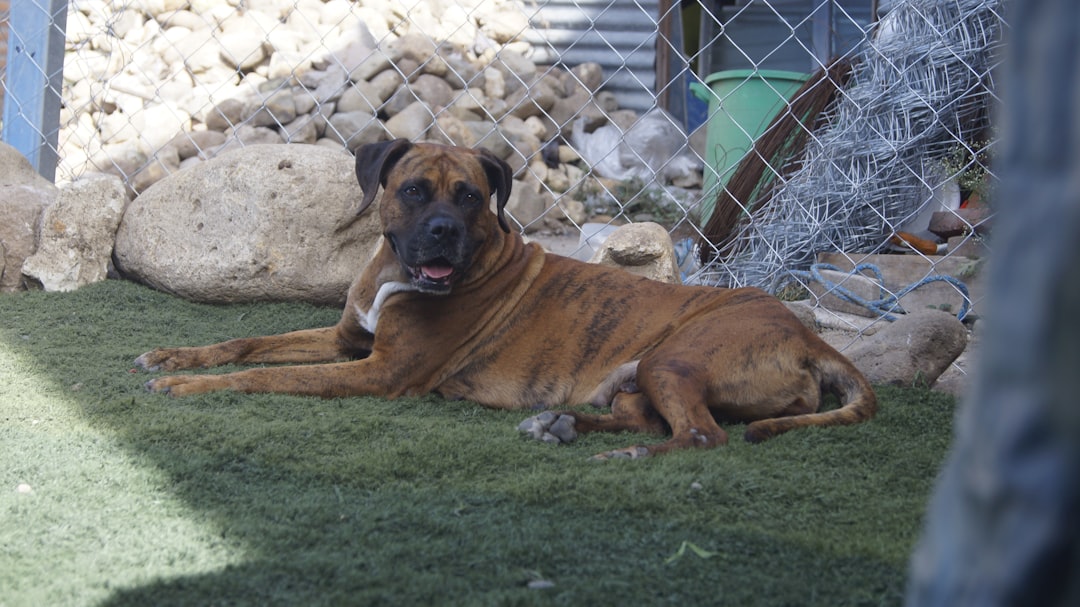
Photo by Fernand Ruiz on Unsplash
Grieving a dog who is still eating breakfast, still wagging at you, still here — that is one of the strangest and most exhausting things DM caregiving asks of you.
There’s no clean moment when DM grief starts. For most caregivers I’ve spoken with, it begins somewhere in the middle of a veterinary appointment — maybe when the neurologist says “progressive” and “no cure,” or when you get home and look at your dog trotting around and think: this is as good as it gets. And then you feel awful for thinking that.
That moment is the beginning of anticipatory grief. And it is real, it is valid, and it is incredibly hard to navigate when the rest of the world assumes grief comes after a loss — not before one.
Why Does DM Grief Start at Diagnosis?
Anticipatory grief begins at diagnosis because DM gives you the ending before the ending. You know the destination. You just don’t know the exact route or how long the journey will take.
This is different from the grief that follows sudden loss. With a dog who dies unexpectedly, the grief hits all at once. With DM, it arrives in installments — at each new symptom, each stage transition, each piece of equipment that becomes necessary. The DM stages timeline can span months to years, and your grief moves through every phase of it alongside your dog.
Psychologists sometimes call this kind of loss “ambiguous loss” — a term coined by researcher Pauline Boss to describe losses that lack the clarity of a clear ending. Your dog is still present, still responsive, still your dog. And yet you are losing them incrementally, in ways that don’t come with a funeral, a casserole from a neighbor, or a socially recognized period of mourning.
The result is a grief that can feel invisible to people outside the experience. Friends say things like “at least you have more time” or “make the most of it” — and they mean well, but those phrases don’t quite capture that making the most of it is something you’re doing while also quietly falling apart.
- Feeling sad or tearful during otherwise normal moments — while feeding your dog, watching them sleep
- Guilt for thinking about the future loss while your dog is still doing well
- Difficulty being fully present because you’re mentally rehearsing what’s ahead
- Emotional numbness or “going through the motions” during caregiving tasks
- Unexpected anger — at the disease, at yourself, sometimes at your dog for needing so much
- Social withdrawal, or the opposite: an urge to talk about it constantly
How Do You Hold Two Truths at the Same Time?
The central emotional challenge of DM caregiving is that two contradictory things are true simultaneously: your dog is still here and still joyful, and you are losing them. Both of these are real. Neither cancels the other out.
Many caregivers describe feeling like they have to choose — either stay present and hopeful, or let themselves grieve. But that framing creates an impossible standard. Grief and presence can coexist. In fact, many people find that allowing the grief makes it easier to stay present, not harder. When you stop trying to suppress the sadness, you’re less likely to go numb to the good moments.
One reframe that many DM caregivers find useful: your grief is not disloyalty to your dog. It is, in a strange way, the full measure of the love. You are grieving because this relationship matters. Your dog doesn’t know you’re sad because the future is coming — they know you’re there, right now, in this moment.
Finding Anchors in the Present
Practical anchors help a lot here. Some things that caregivers in the DM community describe as grounding:
- Rituals around good days: a specific treat after a good PT session, a favorite walk route while they can still manage it, a Sunday morning routine that stays the same as long as possible
- Documenting the ordinary: short videos, photos of nothing in particular — your dog napping, your dog looking out the window. These feel indulgent until they don’t.
- Naming what stage you’re in: following the DM progression timeline isn’t morbid — it actually reduces the shock of each transition and gives you space to prepare
- Letting each stage be its own chapter: rather than grieving the end from the beginning, some caregivers find it easier to grieve what just changed, fully, and then settle into what is
- Let yourself feel the grief without assigning it a deadline (“I should be over this by now”)
- Connect with other DM caregivers — the specificity of shared experience matters more than general pet-loss support
- Create at least one ritual per week that is joyful and dog-centered, with no agenda
- Talk to your vet openly about how you’re doing — good vets ask, and good vets have resources
- Consider a pet-loss counselor or therapist before you’re depleted, not only after
What Makes DM Grief Different From Other Pet Loss
The duration is one of the most underappreciated aspects. According to VCA Hospitals, degenerative myelopathy is a progressive, incurable condition — and the timeline from early signs to late-stage decline can span one to three years or more in some dogs. That is a long time to hold grief alongside daily caregiving responsibilities.
By the time the end actually arrives, many DM caregivers describe feeling already exhausted by anticipatory grief — and then surprised to find that the final loss still hits hard. This is normal. Anticipatory grief does not “spend down” the grief you’ll feel at the end. It tends to run parallel to it, not in place of it.
There’s also the physical weight of caregiving itself. Slings, wheelchairs, bladder expression, pressure sore prevention, incontinence management — DM care is demanding. Caregiver fatigue and grief compound each other. When you are too tired to think clearly, it’s also harder to access any kind of emotional resilience.
This is one reason I keep coming back to the idea that support should come early. Not when you’re at the breaking point. Early, while you still have the bandwidth to actually use it.
- You haven’t slept more than a few hours a night for weeks
- You’re unable to enjoy anything, even moments when your dog is having a good day
- You’re having intrusive thoughts about the end that you can’t manage
- You’re withdrawing from all relationships, not just social events
- You feel like no one in your life understands what this is like
Is Professional Support Actually Worth It?
Yes — and I say that as someone who took too long to believe it was justified for “just” a dog.
Pet-loss grief, including anticipatory grief with a DM dog, is real grief. Many therapists and counselors now specialize in human-animal bond loss, and the difference between talking to someone who gets it versus someone who is politely waiting for you to move on is enormous. You don’t have to wait until your dog has died to reach out.
A few places to look:
- Your veterinary practice: Many practices, especially those affiliated with teaching hospitals, have social workers or can refer to pet-loss counselors. It is completely reasonable to ask.
- Pet loss hotlines: Several veterinary schools run free or low-cost pet-loss support lines staffed by trained volunteers. The Association for Pet Loss and Bereavement maintains a directory.
- Online DM communities: The specificity of shared experience matters. A Facebook group or forum for DM caregivers offers something that general pet-loss grief support doesn’t — people who understand what “late-stage DM” actually looks like and who aren’t going to ask when you’ll get another dog.
- Therapists with human-animal bond training: The human-animal bond is a legitimate area of clinical focus. Searching specifically for therapists who work with pet grief is worth the extra effort.
If the idea of seeking support feels like too much right now, a lower-barrier starting point is end-of-life planning for DM dogs — not because you’re giving up, but because having a plan reduces the ambient dread and frees up emotional energy for the present.
- You are having thoughts of self-harm
- You are unable to care for yourself or your household at a basic level
- You are using alcohol or other substances to manage grief
- You feel completely alone and cannot reach out to anyone in your life
If any of these apply: please contact a crisis line or mental health provider today. Grief this heavy is not something to carry alone.
When the Grief Feels Disproportionate
Many DM caregivers describe a quiet, persistent shame: I’m grieving a dog. People lose people. Who am I to feel this way?
The answer is: you are someone in a long-term caregiving relationship with a being you love, watching them decline from a disease you cannot stop. The disenfranchised nature of pet grief — the way it tends not to be recognized by employers, extended family, or social structures the way human loss is — makes it harder, not less real.
From what I’ve seen and heard from caregivers in the disabled-dog community, this particular flavor of shame keeps people from getting the support they need and deserve. If your relationship with your dog is significant — and if you’re reading this, it clearly is — then the grief it generates is significant too.
Related Reading
- End-of-Life Planning for DM Dogs: A Honest Guide
- Good Days and Bad Days With DM: What’s Normal and What’s Not
- Recognizing the End-Stage of DM: An Honest Guide
You are allowed to grieve a dog who is still here. You are allowed to love them completely and also be heartbroken about what is coming. Those two things can exist in the same moment, in the same body, in the same person — and finding your way through both of them, without burning out, is not a small thing to do. It’s one of the harder things caregiving asks of us. You don’t have to do it perfectly. You just have to keep showing up.
Frequently Asked Questions
Is it normal to grieve a dog who is still alive?
Yes — this is called anticipatory grief, and it’s a recognized psychological response to a progressive terminal diagnosis. Many DM caregivers describe waves of sadness, numbness, and guilt that begin at diagnosis, long before the end of their dog’s life. It doesn’t mean you’ve given up on your dog.
How long does anticipatory grief last with a DM dog?
DM typically progresses over one to three years, so anticipatory grief can last a very long time — often much longer than the acute grief that follows a sudden loss. The duration makes DM grief particularly exhausting, and it’s one reason ongoing support matters more than a single conversation.
What’s the difference between grief and depression in this context?
Grief is a natural, fluctuating response to loss — even anticipated loss. Depression tends to be more persistent, affects your ability to function across most areas of life, and doesn’t lift with moments of connection or joy. If you’re struggling to function for weeks at a time, talking to a mental health professional is worthwhile.
Should I plan ahead for euthanasia while my dog is still doing well?
Many DM caregivers and the vets who support them recommend having an end-of-life conversation before the final stage arrives. Knowing your plan, your vet’s after-hours options, and roughly what signs matter to you actually reduces anxiety — it doesn’t accelerate anything.
This guide is based on real experience and should be used alongside professional veterinary care. Always consult your veterinarian before starting any new treatment or making changes to your dog’s care plan.