After the Loss: DM-Specific Grief
DM grief has a shape unlike other pet loss. The long anticipation, the daily caregiving load, the sudden silence — what makes it different and when to get help.
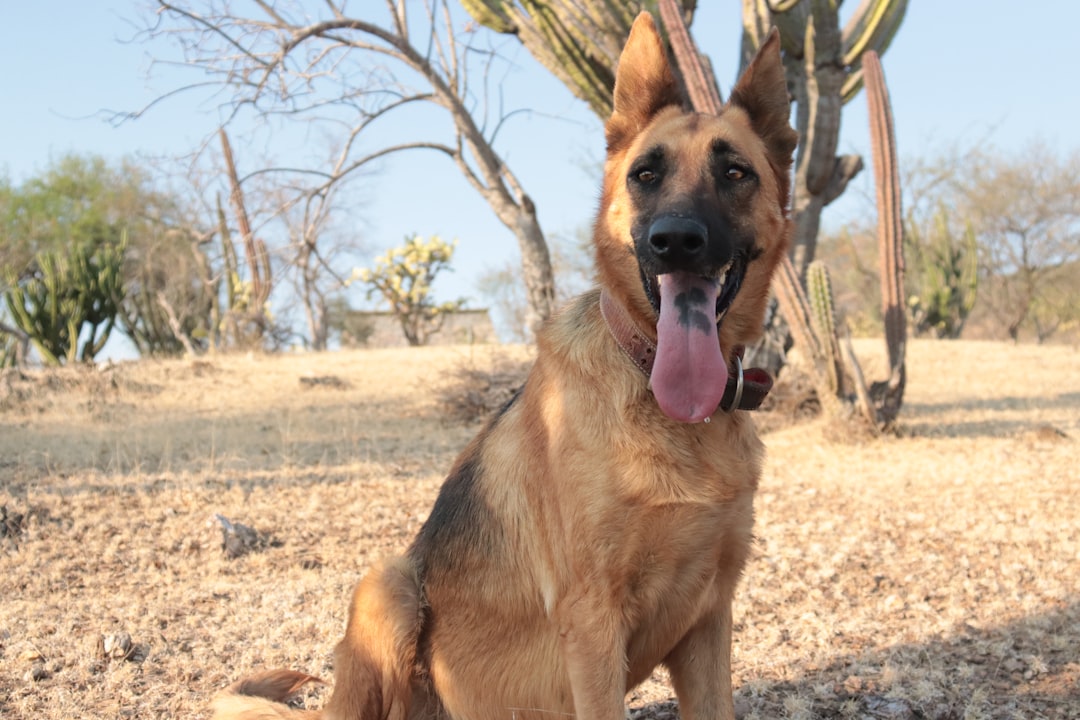
Photo by Carlos Ramírez on Unsplash
Grief after losing a DM dog has a specific shape — and understanding that shape can help you stop wondering why you’re not grieving “normally.”
People who haven’t been through it sometimes say things like, “At least you had time to prepare.” And in some technical sense, that’s true. With DM, you don’t get blindsided the way you might with a sudden accident or fast-moving cancer. You watch the progression. You read the signs. You do the planning.
But here’s what those people don’t understand: all that time didn’t soften the grief. In many ways, it made it more complicated.
Why Is DM Grief Different From Other Pet Loss?
DM grief is layered in a way that most pet loss isn’t. You spent months — sometimes well over a year — watching your dog decline in slow motion, making daily adjustments, learning new skills, and restructuring your entire life around their care. The grief didn’t start at death. It started the day you got the diagnosis.
By the time your dog actually dies, you’ve already grieved so many things: the dog who could run, the dog who could get up on their own, the dog who didn’t need a sling to go outside. You grieved each of those losses as they happened. And then, at the end, you grieve the dog themselves — the presence, the breath in the room, the weight of them.
That’s not one grief. It’s accumulated grief, landing all at once.
- Months or years of anticipatory grief preceding the death
- Intensive daily caregiving that structured your identity and time
- Relief and grief arriving simultaneously — both are valid
- A sudden caregiving void where structured routine used to be
- Complicated feelings about the euthanasia decision, even when it was clearly right
The Anticipatory Grief That Came Before
If you’ve already read the article on anticipatory grief with a DM dog, you know that much of the mourning happens before death. The problem is that anticipatory grief doesn’t spend down the grief you’ll feel afterward. It doesn’t work like a savings account. Many caregivers are surprised to find that the death itself hits harder than expected — even after all that time “preparing.”
Grief researchers sometimes describe this as a second wave. You survived the long goodbye. You managed the slow loss of function, the incontinence, the wheelchair, the late-stage respiratory changes. And then, when it’s over, there’s a new grief — for the absence itself, for the silence where all of that used to be.
The Caregiving Identity Gap
One of the least-talked-about parts of DM grief is what I’ve heard many caregivers describe as the identity crash.
When you’re in active DM caregiving, your day is structured around your dog’s needs. You wake up thinking about bladder schedules. You plan outings around how long you can be away. You know which positions your dog finds comfortable, which foods they’ll still eat, which routes avoid the uneven pavement that throws off their gait. You are an expert in your dog’s body and needs in a way that almost no one else is.
And then that role ends overnight.
The schedule that structured your days disappears. The purpose that made the exhausting weeks feel meaningful is gone. Many caregivers describe the first week after losing a DM dog as a strange kind of disorientation — not just sadness, but not knowing what to do with their hands, their mornings, their evenings. The house doesn’t feel empty the way a normal house feels empty. It feels wrong, like a room with all the furniture removed.
From what I’ve seen in the DM caregiving community, this identity gap often gets minimized or overlooked — both by the caregiver themselves and by the people around them. You might find yourself apologizing for grieving “too much” or feeling embarrassed that you miss the routine as much as you miss the dog. You don’t need to apologize for either.
- Give yourself permission to grieve both the dog and the routine — they’re not separate losses
- Keep some low-stakes structure in your days, even if it’s just a morning walk or a consistent meal time
- Reach out to DM caregiver communities where others understand the specific shape of this grief
- Resist the urge to “fill” the caregiving void immediately with a new pet — give yourself time to land
- Let yourself be unproductive; the exhaustion from caregiving months is real and deserves rest
The Relief Question
This one is hard to talk about, so I’m going to say it directly: most DM caregivers feel some relief when their dog dies. And a significant portion feel guilty about that relief.
The relief makes complete sense. You watched your dog struggle. You carried the weight of their care for a very long time. The decision to euthanize — even when it’s clearly the right one — often comes after watching your dog reach the limits of what any body can tolerate. When it’s over, the suffering is over. Of course there’s relief in that.
Relief does not mean you wanted your dog to die. It does not mean you didn’t love them. It means you loved them enough to carry a very heavy load for a very long time, and that load has been set down. Both things can be true simultaneously: relief that the suffering ended, and profound grief that they’re gone.
If you want to understand the end-of-life decision-making that precedes this moment in more depth, the article on end-of-life planning for DM dogs addresses it honestly. And if you’re still sitting with uncertainty about whether the decision was right, the article on recognizing the end stage of DM may help.
Grief Timeline Realities
There is no correct timeline for grief after losing a DM dog. I want to say that plainly, because the grief timeline question comes up constantly — and the answers people get are often unhelpful.
Well-meaning people will tell you that grief takes six months, or a year, or that you’ll feel better by the holidays. None of that is reliable. Grief is not linear, and DM grief in particular tends to reorganize rather than resolve. What most caregivers find is something like this:
- The first week: Shock, even when the death was expected. The absence is physical. Everything in the house is wrong.
- Weeks two through four: Acute grief. Crying at unexpected times. The caregiving routines keep ghosting into your day — you reach for the feeding schedule, you listen for sounds that aren’t there anymore.
- Month two and beyond: The grief softens slightly but becomes more complex. You may find yourself grieving in new directions — missing specific moments, feeling unexpected anger, questioning the decisions you made.
- Ongoing: Many DM caregivers describe a longer adjustment period than they expected. This is not pathological. It reflects the depth of what you did and what you lost.
- Unable to manage basic self-care after several weeks
- Persistent hopelessness or a feeling that life has no purpose
- Social withdrawal that isn’t improving over time
- Intrusive thoughts about the death or the euthanasia decision that won’t let up
- Difficulty functioning at work or in relationships for more than a month
When It’s Not Just Grief Anymore
Grief and depression can look similar from the outside. From the inside, the distinction matters because one generally moves (however slowly and unevenly) and the other tends to stay static without support.
If you’re a few weeks out from your dog’s death and you’re still struggling to eat, sleep, or find any reason to get out of bed — and those feelings aren’t shifting at all — that’s worth talking to someone about. A grief counselor, your primary care physician, or a therapist who specializes in pet loss can help you distinguish between healthy grieving and something that has become stuck.
Pet-loss grief is real grief. The mental health field increasingly recognizes this. You don’t need to justify the depth of what you’re feeling or explain why losing a dog “counts.” If you’re struggling, that is reason enough to reach out.
For caregivers who found the DM caregiving period particularly consuming, there’s also something worth naming: caregiver grief is compounded by caregiver exhaustion. You may be entering grief already depleted — physically, emotionally, financially. That makes the recovery longer and harder. Treating yourself with the same care you gave your dog isn’t indulgent. It’s necessary.
Related Reading
- Anticipatory Grief With a DM Dog: The Long Goodbye
- When You Resent the Caregiving: An Honest Piece
- End-of-Life Planning for DM Dogs: An Honest Guide
Frequently Asked Questions
Is it normal to feel relief after a DM dog dies?
Yes — and it doesn’t mean you loved your dog any less. After months or years of intensive caregiving, relief is a natural response to the end of suffering and exhaustion. Many DM caregivers experience relief and grief simultaneously, and both are valid.
Why does DM grief feel different from other pet loss?
DM grief is shaped by two compounding factors: a long period of anticipatory grief during the illness, followed by the abrupt end of a caregiving role that consumed daily life. The loss isn’t just the dog — it’s also the routine, the purpose, and the identity that built up around caring for them.
How long does grief after losing a DM dog typically last?
There is no standard timeline. Many caregivers find that intense grief peaks in the first few weeks, then softens gradually over months. For DM caregivers specifically, the grief may reorganize rather than resolve — shifting from acute pain to a quieter, longer-term adjustment.
When should I seek professional support for grief after pet loss?
Consider reaching out to a grief counselor or your doctor if you’re struggling to function after several weeks, experiencing persistent hopelessness, neglecting your own basic needs, or feeling like life has no purpose without the caregiving role. Pet-loss grief is real grief, and professional support is appropriate.
If you’re reading this in the days after losing your dog, I want you to know something: what you carried was real, what you gave was extraordinary, and what you’re feeling now makes complete sense. Grief this layered doesn’t follow a clean arc. It doesn’t resolve on schedule. But it does change — and you don’t have to rush it.
This guide is based on real experience and should be used alongside professional veterinary care. Always consult your veterinarian before starting any new treatment or making changes to your dog’s care plan.