Acupuncture for DM Dogs: What Owners Report and What to Expect
Exploring acupuncture for your DM dog? Here's what small studies suggest, what a session actually looks like, and what owners in the DM community honestly…
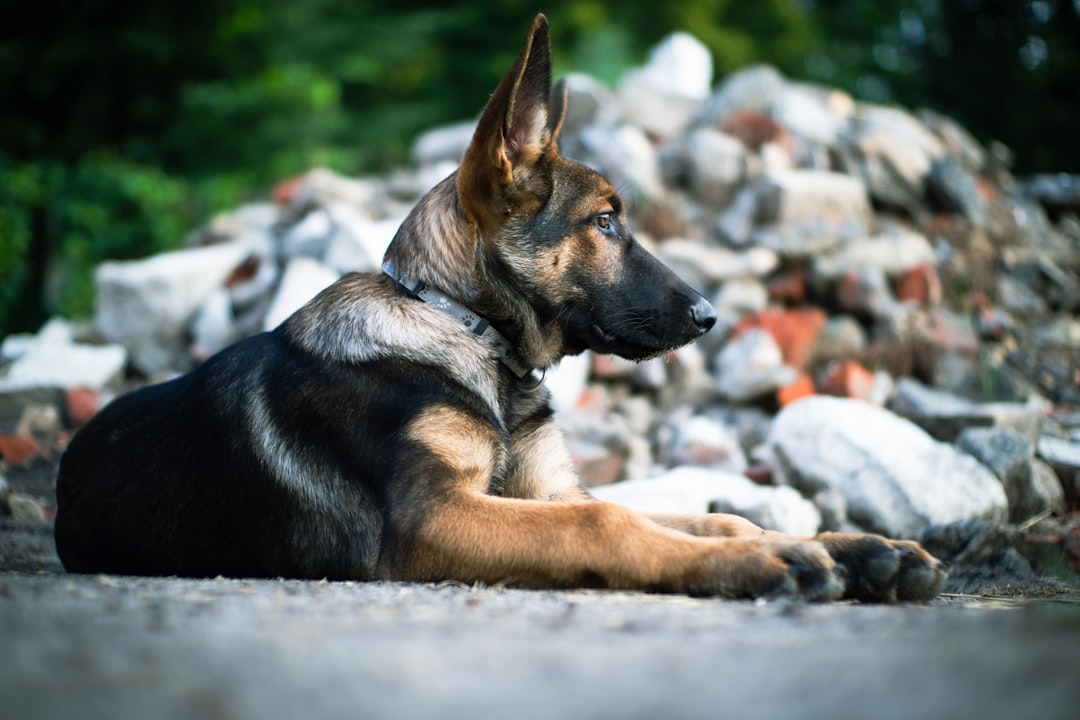
Photo by Kamil Pietrzak on Unsplash
Acupuncture won’t stop degenerative myelopathy, but a meaningful number of owners in the DM community say it helps their dogs feel more comfortable and stay mobile longer — and that alone is worth understanding.
When you’re caring for a dog with degenerative myelopathy, you reach a point where you’ve covered the basics — exercise therapy, harness support, flooring modifications — and you start looking at what else might help. Acupuncture tends to come up, usually from a rehab vet or another DM owner in an online group. And the honest question every caregiver asks is: is this actually worth it, or am I just spending money because I feel helpless?
I’ve spent a lot of time in DM caregiver communities, and I’ve talked to rehab specialists who work with neurological dogs regularly. Here’s what I’ve pieced together.
What Does the Research Actually Say?
The research on acupuncture for degenerative myelopathy in dogs is small in scale and genuinely limited. There is no large, randomized controlled trial proving that acupuncture slows DM progression — and any practitioner who tells you otherwise is overstating the evidence.
What does exist are smaller studies and case series suggesting that acupuncture may support muscle tone, reduce pain signals, and contribute to overall comfort in dogs with spinal cord conditions. Tufts Cummings School of Veterinary Medicine and similar academic veterinary rehabilitation programs have shown interest in acupuncture as part of multimodal care for neurological dogs, particularly when combined with physical therapy. The framing from most rehab specialists isn’t “acupuncture heals DM” — it’s “acupuncture may help the dog feel better enough to participate more fully in exercise therapy, which is where the real functional benefit comes from.”
That’s an important distinction. DM is relentlessly progressive. The goal of every complementary therapy, acupuncture included, is comfort and quality of life — not reversal.
It is worth knowing that the evidence is meaningfully stronger when the target is joint pain rather than a degenerating spinal cord. Acupuncture for arthritic dogs covers that literature, and it is directly relevant here: most DM dogs are elderly and arthritic too, so comfort gained on the joint side is real even when it does nothing at all for the myelopathy.
- Muscle tension relief in compensating muscles (front legs, shoulders, neck)
- General comfort and reduced anxiety around sessions
- Circulation to affected limbs
- Appetite and energy in some dogs, as reported by owners
- May support engagement with physical therapy
What Does a Session Actually Look Like?
A typical veterinary acupuncture session for a DM dog lasts between 20 and 45 minutes, and for most dogs it’s surprisingly calm. The needles used are extremely fine — much thinner than a blood-draw needle — and most dogs either ignore them entirely or become visibly relaxed as the session progresses.
Here’s a general picture of what to expect:
The initial consultation: The first appointment is longer than subsequent ones. The acupuncturist will review your dog’s full history, current DM stage, medications, and other therapies. They’ll do a physical and neurological assessment before placing a single needle. Budget extra time and cost for this visit.
Needle placement: For DM dogs, needles are typically placed along the spine, hindquarters, and key acupuncture points associated with hind-limb function. Some practitioners also place needles at points believed to support general energy and organ function.
Your dog’s reaction: Many DM dogs settle and even drowse during treatment. Some dogs are mildly resistant to the first session and relax by the third or fourth. A small number of dogs don’t tolerate it well at all — which is useful information in itself.
After the session: Some owners notice their dog seems quieter or sleepier that evening. Others report what they describe as a “good day” the day after. Neither response is universal.
From what I’ve heard from other DM owners, the ones who stick with acupuncture long-term usually describe it as one piece of a bigger puzzle — not a standalone intervention. Many pair it with hydrotherapy and targeted land exercises.
- Your dog is vocalizing, trembling, or trying to escape
- A needle site is bleeding more than a tiny drop
- Your dog has an infection or open sore near a needle site
- Your dog is on blood thinners or immunosuppressants — tell your acupuncturist before the first session
How Often and How Much Does It Cost?
Most veterinary acupuncturists follow a similar protocol for DM dogs: weekly sessions for the first four to six weeks, then reassessment. If the dog is responding well — better comfort, more engagement, improved muscle tone in compensating areas — many practitioners shift to every two or three weeks. Some owners continue weekly sessions indefinitely through a particular disease stage.
Here’s a rough cost picture:
| Visit Type | Typical Cost Range | Notes |
|---|---|---|
| Initial consultation | $100–$200 | Includes full assessment, first treatment |
| Standard follow-up session | $60–$150 | Varies significantly by region |
| Monthly maintenance (2 sessions) | $120–$300 | Common mid-to-late DM stage pattern |
 disableddogcare.com
These are ballpark ranges based on what owners in the DM community commonly report. Urban practices and specialty rehab centers tend to run toward the higher end. Some veterinary schools with rehabilitation programs offer sessions at reduced cost.
One thing worth knowing: most pet insurance plans don’t cover acupuncture unless you have a wellness or complementary therapy rider. Check your policy before your first appointment.
## How Do I Find a Certified Veterinary Acupuncturist?
The most important thing to know is that only licensed veterinarians should perform acupuncture on dogs. In most jurisdictions, it’s considered a veterinary medical procedure — not something a human acupuncturist can legally do to your dog regardless of their skill level.
Look for these credentials when searching:
CVA (Certified Veterinary Acupuncturist): Earned through programs like the Chi Institute of Traditional Chinese Veterinary Medicine or through IVAS (International Veterinary Acupuncture Society). These are the two most recognized training bodies in veterinary acupuncture.
CVSMT or CVCHM: Additional certifications in veterinary spinal manipulation therapy or Chinese herbal medicine, often held by the same practitioners. Not required, but common in integrative practices.
How to find one: Ask your neurologist or regular vet for a referral — this is often the most reliable path. The Chi Institute and IVAS both maintain online directories of certified graduates. Veterinary rehabilitation practices that offer hydrotherapy or underwater treadmill work often have an acupuncturist on staff or a close referral relationship with one.
- Are you a licensed veterinarian with a recognized acupuncture certification?
- Have you worked with DM dogs specifically?
- What do you hope to achieve, and how will we measure whether it’s working?
- How many sessions before we assess whether to continue?
What Do DM Owners Actually Report?
This is the part that doesn’t make it into studies, but it matters. From what I’ve observed in DM caregiver communities, the honest picture looks something like this:
A portion of owners describe clear benefit — their dog seems more comfortable, less stiff, more willing to try walking after sessions. A smaller group reports no noticeable change but continues because the sessions themselves are calming and low-stress for their dog. A few stop after three or four sessions because they don’t see enough value relative to the cost and stress of getting there.
What almost no one reports is dramatic reversal or stabilization of DM symptoms. The owners who seem most satisfied going in are the ones who understand that from the start. They’re not hoping acupuncture will stop the disease. They’re hoping it makes their dog comfortable enough to enjoy the good days that are left.
That framing — comfort and quality of life, not cure — is the honest context for acupuncture as part of a DM care plan. If you’re already doing regular pain management and comfort care and looking for something to add, acupuncture is one of the more benign options available. It’s low-risk when performed by a qualified veterinarian, most dogs tolerate it well, and the sessions themselves can be a calm, positive experience in what is otherwise a hard season.
If you’re just starting to map out your dog’s care plan, the DM stages and timeline article can help you understand where your dog is and what kinds of support tend to be most relevant at each stage.
Related Reading
- Keeping a DM Dog Comfortable: Pain Management and Quality of Life
- DM Dog Exercise & Physical Therapy: Stage-by-Stage Guide
- PEMF Therapy for DM Dogs: Does It Slow the Decline?
Wherever you are in this journey, I hope this gives you enough to have a real conversation with your vet rather than just a hopeful one. Acupuncture isn’t magic, but for a lot of DM dogs, it seems to be one small, gentle thing that helps — and sometimes that’s enough to make it worth trying.
Frequently Asked Questions
Can acupuncture slow the progression of degenerative myelopathy in dogs?
There is currently no published evidence that acupuncture slows DM progression. Small studies and many rehab specialists suggest it may improve comfort and muscle tone, but DM is a progressive neurological disease and no therapy has been shown to stop or significantly delay it.
How often should a DM dog receive acupuncture?
Most veterinary acupuncturists start with weekly sessions for four to six weeks to assess response, then adjust frequency based on how the dog is doing. Some dogs move to every two to three weeks once stable; others continue weekly throughout a particular disease stage.
How do I find a certified veterinary acupuncturist for my dog?
Look for a veterinarian who has completed a recognized certification program such as those offered through the Chi Institute or IVAS (International Veterinary Acupuncture Society). Your regular vet or a veterinary neurologist can often provide a referral, which is usually the most reliable starting point.
What does acupuncture for a DM dog typically cost?
A single veterinary acupuncture session typically runs between $60 and $150 depending on your location and the provider. An initial consultation that includes examination and history may cost more. Many owners budget for monthly ongoing sessions as part of their long-term DM care plan.
This guide is based on real experience and should be used alongside professional veterinary care. Always consult your veterinarian before starting any new treatment or making changes to your dog’s care plan.