The First Signs of Arthritis Owners Miss
Your dog is slowing down — but is it age or arthritis? The early signs are subtle and easy to rationalize away. Here's what to look for before pain takes hold.
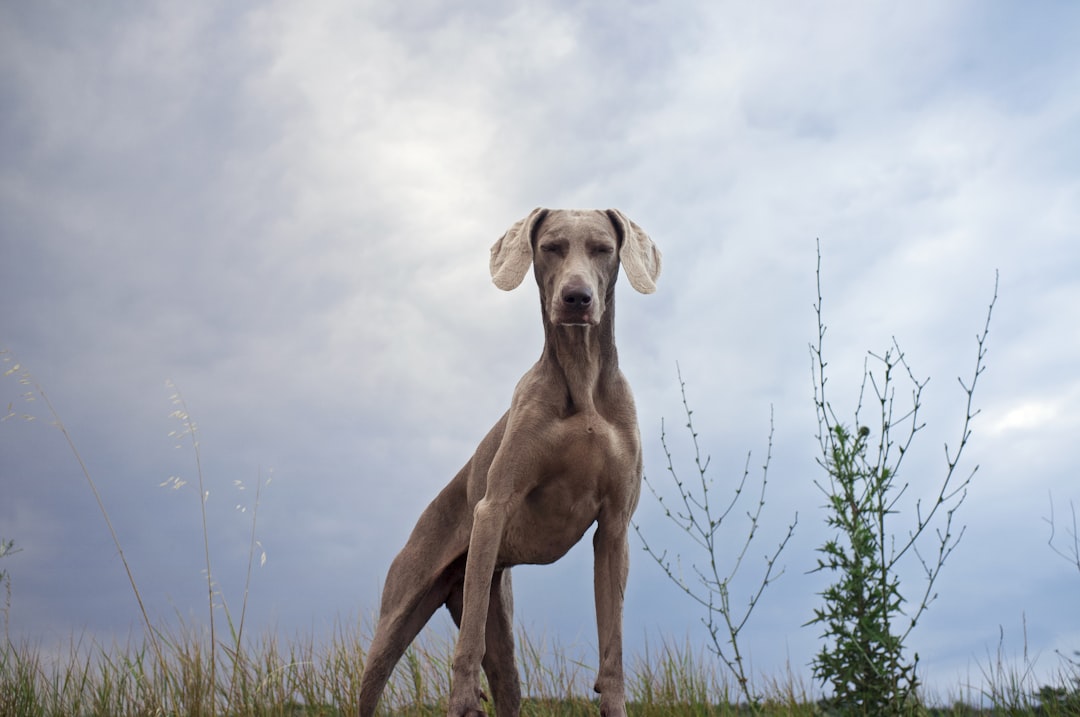
Photo by Atanas Teodosiev on Unsplash
The earliest signs of arthritis in dogs are almost never dramatic — they look a lot like a dog just getting older, and that’s exactly why so many owners miss them for months.
Why Are the Early Signs So Easy to Miss?
Dogs are wired to hide pain — it’s an evolutionary holdover from when showing weakness was dangerous. By the time a dog is visibly limping or crying out, arthritis has usually been building for months, sometimes years. The early signs don’t look like pain at all. They look like a dog settling into old age.
As a caregiver in the disabled dog community, I’ve heard this story over and over: owners look back after a diagnosis and realize the signs were there six months earlier. They just didn’t know what they were looking at. Knowing the specific things to watch for changes that completely.
- Arthritis (more formally called osteoarthritis or degenerative joint disease) is the gradual breakdown of cartilage inside a joint
- When cartilage wears down, bone starts to rub on bone — that’s where the pain and inflammation come from
- It’s progressive and can’t be reversed, but it can be managed effectively — especially when caught early
- Any joint can be affected, but hips, elbows, knees, and the lower spine are the most common sites
What Does “Slowing Down” Actually Look Like?
Most owners notice that their dog seems “a bit off” before they can name a specific symptom. That vague sense is worth paying attention to. Here’s what that often looks like in concrete terms:
Reluctance to jump: A dog who used to leap onto the couch without a second thought starts hesitating, walking to the side, or waiting to be lifted. This is one of the very first signs, and it’s almost always written off as preference rather than pain.
Stiffness after rest: Your dog gets up from a nap and moves stiffly for a few minutes, then seems fine. This “warming up” pattern — where movement actually seems to help — is a classic arthritis pattern. It’s easy to miss because by the time you’re watching them walk, they look normal again.
Lagging on walks: The dog who used to drag you down the street now starts slowing down before you want to stop, or starts sniffing more and walking less. Many owners think the dog is just bored or distracted. In reality, the joints are telling them to stop.
Difficulty with stairs: Hesitating at the bottom of the stairs, going up or down more slowly, or avoiding them altogether when they didn’t before.
Shifting weight while standing: If you watch closely, a dog with early joint pain will often shift their weight away from the affected limb while standing still — a subtle way of offloading pressure.
Behavioral changes: Becoming less tolerant of touch, especially around the hips or back. Some dogs growl or snap when touched in a way they never have before — this isn’t bad behavior, it’s communication.
How Do I Know If It’s Arthritis or Just Normal Aging?
Here’s the honest answer: you can’t know for certain without a vet exam. But there are patterns that should push you toward “this is worth investigating” rather than “this is just age.”
Normal aging in dogs tends to be gradual and consistent. Arthritis tends to fluctuate. A dog with arthritis might have better days and worse days, seem stiffer after a day of activity, or improve briefly with rest and then worsen again. The Merck Veterinary Manual notes that clinical signs of osteoarthritis in dogs are often intermittent in the early stages, which is part of why owners rationalize them away.
Ask yourself a few questions:
- Is the change in movement pattern, or just in energy level?
- Does stiffness appear after rest and then improve with movement?
- Is your dog avoiding specific actions — jumping, climbing, sitting squarely — that they didn’t avoid before?
- Has their personality changed around being touched or groomed?
If you’re answering yes to more than one of these, book a vet appointment. A physical exam and possibly some X-rays can give you a real picture. Early arthritis is much more manageable than late-stage arthritis, and that window matters.
- Consistent limping, even if mild
- Swollen or warm joints
- Sudden behavioral changes — snapping, hiding, loss of appetite
- Audible yelping when getting up or lying down
- Muscle loss (atrophy) over the hindquarters or shoulders
- A dog that stops eating or engaging with things they normally love
Which Dogs Are Most at Risk?
Arthritis can affect any dog, but some are more likely to develop it earlier or more severely.
Large and giant breeds: Dogs over 50 pounds carry more weight on their joints and tend to develop arthritis earlier. German Shepherds, Labrador Retrievers, Golden Retrievers, Rottweilers, and Bernese Mountain Dogs are especially common arthritis patients.
Dogs with existing structural conditions: A dog with hip dysplasia is almost guaranteed to develop secondary arthritis in those joints over time. Elbow dysplasia, luxating patellas, and previous joint injuries all follow the same pattern.
Overweight dogs: Excess weight accelerates joint wear. Weight management directly reduces joint stress — this is one of the few interventions with broad veterinary consensus, and it applies whether or not arthritis has already appeared.
Previously injured dogs: An old ACL repair, a fracture, or any joint trauma increases the odds of arthritis in that area years later.
Middle-aged to senior dogs: Most dogs with clinical arthritis are seven years or older, though large breeds often show signs earlier. But “senior” isn’t a prerequisite — underlying conditions can cause arthritis in much younger dogs.
- Start paying attention to specific behaviors on walks, after naps, and around stairs — note patterns, not just single moments
- Keep your dog at a healthy weight; even a small reduction in body weight significantly reduces joint load
- Make note of any reluctance around jumping, grooming contact, or rising from rest
- If you haven’t already, schedule a wellness exam and mention any changes in movement pattern — even subtle ones
- Consider supportive joint supplements — ask your vet what’s appropriate for your dog’s age and risk profile
The Difference Between Stiffness and Pain
This distinction matters because many owners think: “Well, she seems stiff but she’s not crying, so she can’t be in real pain.” That logic doesn’t hold for dogs.
Dogs have a high tolerance for chronic pain. They adapt. A dog who has been living with mild-to-moderate joint pain for months has often adjusted their movement patterns so gradually that neither they nor their owner registers it as “pain behavior.” What you see instead is: less enthusiasm for activities, a dog who rests more than they used to, a dog who moves deliberately rather than freely.
The absence of vocalization is not the absence of pain. If the pattern of movement has changed, something is driving that change. Pain is the most common driver.
If you’re curious about what the full picture of arthritis looks like as it progresses, the managing arthritis in dogs overview covers the condition from mild through severe stages. And once you have a diagnosis, the joint supplements guide can help you sort through what’s actually supported by evidence versus what’s just marketing.
Related Reading
- Managing Arthritis in Dogs: A Complete Care Guide
- 7 Signs Your Dog’s Arthritis Is Getting Worse
- DM vs. Arthritis in Dogs: How to Tell the Difference
Frequently Asked Questions
What are the earliest signs of arthritis in dogs?
The earliest signs are often behavioral rather than physical: reluctance to jump onto furniture, stiffness after naps, lagging behind on walks, and subtle changes in how a dog rises from a lying position. Many owners initially chalk these up to normal aging, which is exactly why arthritis tends to be caught late.
At what age do dogs typically develop arthritis?
Arthritis can develop in dogs as young as 1–2 years old if there’s an underlying structural issue like hip dysplasia, but it most commonly appears in middle-aged to senior dogs — generally around 7 and older for large breeds, and a little later for smaller breeds. There’s no universal age; the trigger matters more than the birthday.
Can a dog have arthritis without limping?
Yes, and this is one of the most common reasons it gets missed. Dogs are wired to hide pain, so in the early stages many arthritic dogs don’t limp at all — they just slow down, seem less enthusiastic, or shift how they move. A noticeable limp often signals that the pain has progressed significantly.
Should I wait to see a vet if my dog seems stiff but is still eating and playing?
Don’t wait too long. Stiffness that appears regularly — especially after rest — is worth a vet conversation even if everything else seems fine. Early arthritis is much easier to manage than advanced arthritis, and the sooner you have a baseline, the better your options.
The honest truth is that most owners catch arthritis later than they wish they had. You’re already ahead simply by asking the question. If something feels different about how your dog is moving, trust that instinct and get it checked out — earlier is always better when it comes to joint disease.
This guide is based on real experience and should be used alongside professional veterinary care. Always consult your veterinarian before starting any new treatment or making changes to your dog’s care plan.