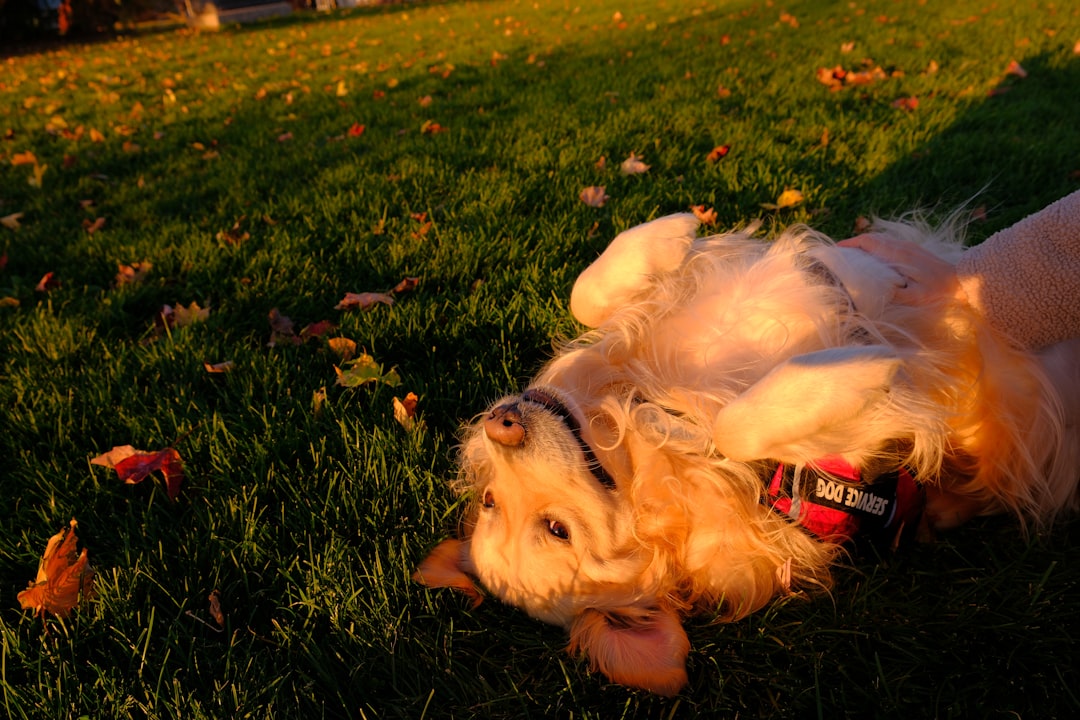
Before you assume arthritis, it’s worth a moment to ask whether the picture you’re seeing actually fits — because several other conditions can look almost identical, and getting the diagnosis right is what shapes every decision that follows.
Why “It’s Probably Just Arthritis” Can Lead You Astray
Arthritis is genuinely common in middle-aged and older dogs — so common that it’s often the first thing an owner reaches for when a dog starts slowing down. And sometimes that instinct is exactly right. But the problem is that sore, stiff joints are a symptom, not a diagnosis. Several conditions share that presentation, and managing arthritis when something else is the primary driver means your dog isn’t getting the right help.
Many caregivers I’ve spoken with describe a frustrating loop: months of arthritis supplements, rest, and NSAIDs (non-steroidal anti-inflammatory drugs), with modest improvement that eventually plateaus. A second look reveals hip dysplasia, or a spinal issue, or an underlying disease that was quietly running the whole time. The earlier you get the full picture, the more options you have.
- Hip dysplasia: structural joint abnormality that causes pain and movement changes similar to arthritis — and often leads to arthritis over time
- IVDD (intervertebral disc disease): spinal disc problems that can cause pain, stiffness, and reluctance to move, often mimicking back or hip soreness
- Degenerative myelopathy (DM): a progressive neurological condition that starts with hind-leg weakness, sometimes misread as arthritis in older dogs
- Hypothyroidism: low thyroid hormone can cause weight gain, lethargy, and generalized stiffness
- Tick-borne disease: conditions like Lyme disease cause joint pain and lethargy that overlap closely with arthritis signs
- Lumbosacral disease: a structural problem at the base of the spine that causes pain specifically in the lower back and hind end
How Do I Know If My Dog Is Arthritic or Something Else?
The honest answer is that you probably can’t know for certain without a vet exam and at least some diagnostic testing. But you can look at the pattern of what you’re seeing and ask whether it fits arthritis specifically — or whether something about it seems off.
Arthritis typically builds gradually over months or years. It’s usually worse after rest (that “warming up” shuffle when your dog first gets up) and improves a little with gentle movement. It tends to affect multiple joints in older dogs, particularly the hips, elbows, and spine, and it doesn’t usually come with sudden onset or neurological signs like knuckling or dragging.
Signs That Fit Arthritis Well
- Stiffness worst after sleeping or rest: classic morning stiffness that eases with a short walk
- Reluctance to jump or climb stairs: especially if this has gradually worsened over months
- Slowing on walks: less enthusiasm, stopping more often, shorter distances tolerated
- Licking or chewing at a specific joint: a dog’s way of telling you exactly where it hurts
- Muscle loss around the hips or shoulders: reduced use leads to muscle atrophy over time
Signs That Should Make You Ask More Questions
- Sudden onset: if stiffness appeared within hours or days rather than building over months, that’s not a typical arthritis pattern
- Yelping when touched along the back: pain localized to the spine is more characteristic of disc disease than joint arthritis
- Hind-leg weakness without obvious joint swelling: neurological causes like DM or IVDD are worth ruling out, especially in at-risk breeds
- Dragging or knuckling of the paws: this points toward neurological involvement, not joint inflammation
- Significant weight gain alongside the stiffness: hypothyroidism can drive both, and is simple to test for
If you’re already reading about IVDD elsewhere on this site, the article on back pain vs. hips: IVDD vs. arthritis and hip dysplasia digs into that specific distinction in more detail.
- Sudden onset of severe stiffness or pain: same-day call, not a wait-and-see situation
- Yelping when the spine is touched or when lifting the head: potential disc involvement that needs prompt evaluation
- Any loss of bladder or bowel control: a neurological red flag regardless of the suspected cause
- Complete refusal to bear weight on a limb: fracture, joint infection, or advanced disc disease are all possibilities
- Knuckling or dragging of the paws: neurological emergency — see a vet the same day
What Does the Diagnostic Process Actually Look Like?
Most vets will start with a physical and orthopaedic exam. This means watching your dog walk, feeling along the spine and joints, moving each limb through its range of motion, and checking for pain responses. It sounds basic, but a skilled vet can gather a lot of information from this alone — which joints are painful, whether pain is coming from a joint or from the spine, and whether there’s any neurological involvement.
From there, the next steps typically depend on what the physical exam suggests.
X-rays (radiographs): The most common next step for joint pain. X-rays can show arthritic changes (bone spurs, joint space narrowing), hip dysplasia, vertebral changes, and some spinal abnormalities. They don’t show soft tissue detail, so they can’t diagnose IVDD definitively or show disc material.
Bloodwork and urinalysis: Essential for ruling out systemic causes. Thyroid levels flag hypothyroidism. A tick panel (in endemic areas) can identify Lyme or ehrlichiosis. Bloodwork also establishes a baseline before starting any long-term pain medication.
Neurological exam: If your vet suspects something beyond joint disease — especially in breeds prone to disc problems or DM — they’ll assess reflexes, proprioception (your dog’s sense of where its paws are in space), and deep pain perception. The neurological exam article explains what each of those tests actually tells the vet.
Advanced imaging (MRI, CT): Rarely the first stop, but important when spinal disease is suspected and X-rays aren’t giving enough information.
One thing worth knowing: it’s common for older dogs to have some arthritis visible on X-rays even when it’s not the primary problem. “We saw some arthritic changes” doesn’t automatically mean arthritis is causing all the symptoms. Your vet should be explaining what the findings mean in the context of your dog’s actual clinical picture.
- Write down what you’ve noticed and when it started: a timeline matters more than you’d think
- Video your dog moving at home: a vet sees 10 minutes in a clinic; you see the real picture
- Note whether symptoms are worse after rest or after exercise: this pattern helps distinguish joint disease from neurological causes
- Mention any tick exposure, recent illness, or unusual appetite changes: these details can unlock the right tests immediately
What If Multiple Things Are Going On?
This is more common than most owners expect, especially in older dogs. A dog can have hip dysplasia that has led to secondary arthritis in those joints, while also having some early disc degeneration in the lumbar spine. Or a dog can have genuine arthritis plus hypothyroidism making the lethargy and weight gain much worse than the joint disease alone would cause.
The point of working through a differential diagnosis — the process of systematically considering what else it could be — isn’t to rule out arthritis completely. It’s to make sure you’re not missing something that needs different treatment, or that’s driving the symptoms more than the arthritis is.
From what I’ve seen in the disabled dog caregiving community, the owners who feel most confident in their dog’s care plan are the ones who pushed for answers rather than defaulting to the most obvious label. “The vet said probably arthritis” is a starting point, not a finish line. If the response to initial treatment is poor, or if symptoms don’t match the pattern, that’s a signal to keep asking questions.
The article on managing arthritis in dogs is a good next read once you have a confirmed diagnosis and you’re ready to talk about long-term care. And if neurological involvement is on the table, understanding neurological conditions in dogs covers the broader landscape.
Related Reading
- Back Pain or Hips? IVDD vs Arthritis & Hip Dysplasia
- DM vs. Arthritis in Dogs: How to Tell the Difference
- The First Signs of Arthritis Owners Miss
Whatever you find out, knowing the actual diagnosis is an act of care in itself. Your dog can’t tell you what’s wrong — but you’re already paying close enough attention to ask the right questions, and that matters more than you think.
This guide is based on real experience and should be used alongside professional veterinary care. Always consult your veterinarian before starting any new treatment or making changes to your dog’s care plan.
Frequently Asked Questions
Can a dog have arthritis and another condition at the same time?
Yes, and it’s more common than most owners expect. An older dog with hip dysplasia, for example, almost always develops secondary arthritis in those joints over time. Your vet needs to identify and address both.
What tests does a vet run to diagnose arthritis in dogs?
A physical and orthopaedic exam is usually the starting point, often followed by X-rays. Bloodwork and a urinalysis help rule out conditions like hypothyroidism or tick-borne disease that can mimic joint stiffness.
How is IVDD different from arthritis in terms of symptoms?
IVDD tends to come on more suddenly and often involves back or neck pain rather than limb-specific stiffness. Arthritis typically builds slowly and is worse after rest. Both can cause reluctance to move, but the location and pattern of pain differ.
When should I stop watching at home and call the vet?
If your dog yelps when touched, stops bearing weight on a limb, loses bladder or bowel control, or the stiffness comes on very suddenly, those are same-day or emergency calls. General gradual stiffness warrants a scheduled appointment within a week or two.