7 Signs Your Dog's Arthritis Is Getting Worse
Subtle shifts in how your arthritic dog moves, sleeps, and greets you can signal real decline. Here's what to watch and when to call your vet.
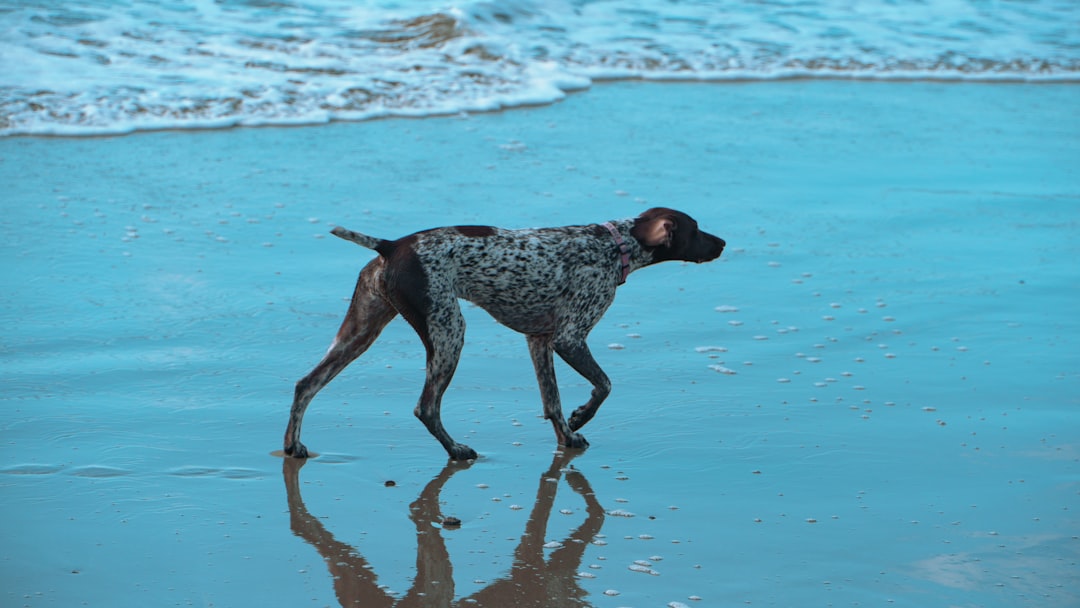
Photo by Jacob Padilla on Unsplash
The hardest part of managing arthritis in dogs is that the warning signs of progression are quiet — until they aren’t.
Arthritis doesn’t typically crash in all at once. It creeps. A dog who was managing fine six months ago can quietly cross a threshold where their current care plan just isn’t keeping up anymore. The owners who catch it early are the ones who know exactly what subtle changes to look for — not because they’re veterinarians, but because they’re paying close attention.
Why Recognizing Progression Matters
Catching a decline early means more options. The difference between adjusting a medication at month six versus waiting until month twelve can be significant — both for your dog’s comfort and for slowing further joint damage. Many caregivers and rehab specialists believe that earlier intervention, whether through adjusted medications, physical therapy, or weight management, gives arthritic dogs a better chance at maintaining quality of life longer.
From what I’ve seen in the disabled dog community, the most common regret owners share is waiting. “I thought it was just a bad week” is something I hear all the time. Arthritis doesn’t really have bad weeks that resolve on their own. It has stable periods and declining periods — and knowing which one you’re in changes everything.
- Any new sign appearing that wasn’t present three months ago
- A known sign becoming noticeably more frequent or severe
- Medications that worked well now seeming less effective
- Your dog’s daily activity level dropping by a third or more
The 7 Signs to Watch For
1. Limping That’s More Frequent or Involves New Legs
Limping that gets worse, shifts to a different leg, or starts involving a previously unaffected limb is one of the clearest signals that arthritis is progressing. Dogs often compensate for a painful joint by overloading others — so a dog whose right hip hurts may start stressing the left knee or shoulder over time, eventually developing pain there too. If your dog is now limping on a leg that was fine six months ago, that’s not coincidence.
2. Difficulty Rising After Rest
An arthritic dog who used to pop up when you called but now takes several attempts to stand, or who stands partway and then collapses back down, is telling you something important. Morning stiffness that lingers well past the first few minutes of moving around is a sign that overnight inflammation is building. This is one of the earlier signs of progression, and one of the most overlooked because owners often assume it’s just “old dog stuff.”
3. Refusing Stairs or Furniture They Used to Manage
Arthritic dogs self-limit. If your dog used to jump up on the couch without hesitation and now stands at the edge looking unsure, that hesitation is pain talking. The same goes for stairs, car loading, or stepping over a baby gate. Dogs don’t fake reluctance — if it hurts to try, they stop trying.
4. Sleeping or Resting Significantly More
More sleep and longer rest periods are expected in older dogs, but a noticeable shift — especially combined with other signs — points to pain management rather than normal aging. Pain is exhausting. A dog who’s hurting around the clock will conserve energy. If your dog’s daily activity window has shrunk visibly, that’s worth noting.
5. Muscle Loss Around the Hips and Hindquarters
Muscle atrophy — where the muscles over the hips or along the back legs visibly thin — develops when a dog stops loading a painful limb fully. Run your hands along your dog’s hindquarters and compare both sides. Unevenness, or a generally “deflated” look to the hindquarters that wasn’t there before, suggests those muscles aren’t being used normally. This is a sign your dog is actively compensating for pain.
- Asymmetric hindquarter muscle mass warrants a vet check
- Rapid muscle loss (visible within weeks) is more urgent than slow, gradual loss
- Atrophy in arthritic dogs can make recovery harder — address it early
- A canine rehabilitation therapist can help design targeted strengthening exercises
6. Behavioral Changes: Irritability, Withdrawal, or Sensitivity to Touch
A dog who growls when you touch their hip, snaps when a child approaches, or stops greeting you at the door the way they used to isn’t being difficult. Chronic pain changes behavior. Withdrawal, reduced affection, irritability, and sensitivity to being touched near a joint are all pain signals. According to VCA Hospitals, behavioral changes are one of the primary ways dogs communicate ongoing pain — and these cues are frequently missed because owners don’t connect mood shifts to physical discomfort.
If your dog’s personality has shifted and nothing in their environment has changed, pain is high on the list of explanations.
7. Reduced Interest in Walks, Play, or Interaction
This is the sign most owners chalk up to aging, but it deserves more scrutiny. A dog who used to love a 20-minute walk and now stops or turns around at the end of the block isn’t being lazy — movement hurts more than it used to. Similarly, a dog who used to initiate play and now watches from a distance is protecting painful joints. Reduced exercise tolerance is a measurable, trackable sign of progression.
- Keep a simple weekly note: walk distance, time to rise, mood observations
- Photograph hindquarters monthly to track muscle mass changes visually
- Note any new hesitations at stairs or furniture by date
- Share your notes at every vet visit — patterns over time matter more than single snapshots
How Do You Know When to Call the Vet?
Call your vet when you notice two or more of the above signs together, when any single sign appears suddenly rather than gradually, or when your dog’s current medication or care routine clearly isn’t keeping up. Arthritis management isn’t a set-it-and-forget-it situation — it requires regular reassessment. Most rehab specialists recommend formal check-ins every three to six months for dogs with known arthritis, even when things seem stable.
A sudden, significant worsening — inability to stand, complete refusal to eat, or signs of acute pain like whimpering, panting, or hunching — is an urgent vet visit, not a wait-and-see situation.
- Sudden inability to stand or bear weight
- Crying out or whimpering at rest
- Collapse or extreme weakness
- Refusal to eat combined with visible pain signs
- Swollen, hot joints that appeared quickly
If you want a printable way to track your dog’s good and bad days between visits, our quality of life scale records seven domains on a 0–10 scale and prints a summary for your vet.
What Comes Next: Adjusting the Care Plan
Progression doesn’t mean failure — it means the plan needs updating. Many dogs do very well with multimodal management: a combination of pain medications, joint supplements, physical therapy, and weight management working together. If your dog’s current NSAID (non-steroidal anti-inflammatory drug) isn’t holding the line, there are other options. Your vet might add gabapentin for nerve-related pain, recommend hydrotherapy, or suggest a referral to a canine rehabilitation therapist.
Safe, adapted exercise is still beneficial for most arthritic dogs — the goal is controlled, low-impact movement that maintains muscle mass without stressing inflamed joints. And keeping an arthritic dog at a healthy weight is one of the most direct ways to reduce joint load — weight management reduces joint stress in a way no medication fully replaces.
If your dog’s arthritis overlaps with another condition — which is common in senior dogs — articles like DM Plus Arthritis: Managing Two Progressive Conditions cover the added complexity of dual diagnoses worth understanding.
Related Reading
- Managing Arthritis in Dogs: A Complete Care Guide
- Safe Exercise Routines for Arthritic Dogs
- Pain Medications for Dogs With Arthritis
- Mobility tracker: log mobility changes week to week
Frequently Asked Questions
How do I know if my dog’s arthritis is getting worse?
Watch for new or more frequent limping, reluctance to do things your dog used to enjoy, changes in sleep or appetite, and muscle loss around the hips and hind legs. Any sudden worsening — especially loss of appetite or inability to stand — warrants a vet call.
Can arthritis progress quickly in dogs?
Arthritis progression is usually gradual, but some dogs do experience faster decline — especially after an injury, significant weight gain, or during cold, damp weather. A sudden noticeable change is worth addressing with your vet sooner rather than later.
What do I do when my dog’s arthritis pain medication stops working?
Talk to your vet before changing or increasing anything. There are multimodal pain management options — combinations of NSAIDs, gabapentin, joint injections, and physical therapy — that often help when a single medication plateaus. Your vet may also suggest a specialist referral.
Is it normal for an arthritic dog to stop wanting to play?
Yes, reduced interest in play is one of the earliest behavioral signs of increasing arthritis pain. It’s easy to chalk up to “getting older,” but it’s worth distinguishing from normal aging — especially if the change is sudden or paired with other signs like stiffness or irritability.
This guide is based on real experience and should be used alongside professional veterinary care. Always consult your veterinarian before starting any new treatment or making changes to your dog’s care plan.