Mobility Loss vs Pain: What's Actually Limiting Them
Is your dog in pain or just stiff? The answer changes everything about treatment. What caregivers and rehab specialists have learned about telling the two…
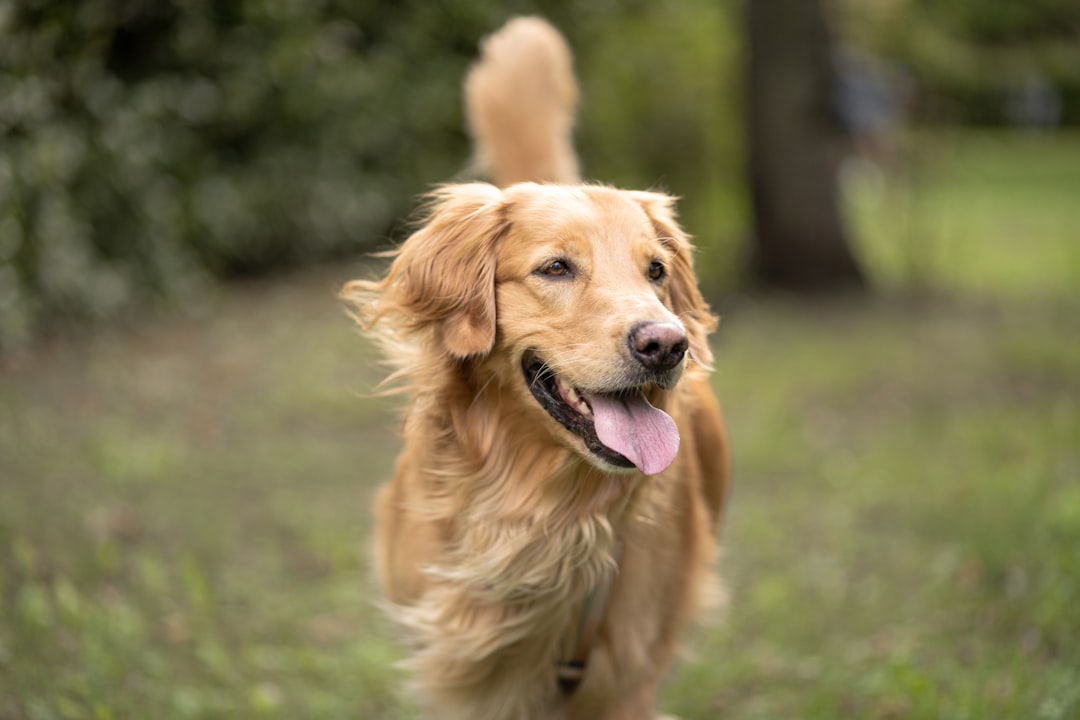
Photo by Cezar Sampaio on Unsplash
Whether your dog is in pain or losing physical function changes everything about how you help them — and getting it wrong means treating the wrong problem.
It’s one of the most quietly guilt-inducing questions in dog caregiving: your dog does less, moves slower, skips the things they used to love. But is that because it hurts? Or because their body physically can’t anymore? You watch them carefully, and you still aren’t sure. That uncertainty is completely normal — and it matters more than most owners realize, because the two problems have different solutions.
Why the Distinction Actually Matters
Getting this wrong leads to real treatment mismatches. A dog who is primarily in pain needs better pain management — NSAIDs, gabapentin, possibly additional therapies. Pushing that dog to exercise more, or attributing their reluctance to “just getting older,” makes things worse. But a dog whose main limitation is muscle loss or structural instability has a different need: rebuilding strength, improving traction, using supportive gear. Treating that dog only with pain medication may help somewhat, but it won’t give them back function they’ve lost to weakness.
Many arthritis caregivers I’ve heard from describe a version of the same story: they managed pain well, their dog seemed comfortable, but still wouldn’t get up for things they used to. That wasn’t residual pain — it was the dog having learned that their body couldn’t do the thing reliably anymore, or genuinely lacking the muscle to try.
- Pain signals: vocalizing, flinching at touch, panting at rest, restlessness at night, behavioral changes (snapping, withdrawal, hiding), guarding a limb
- Mobility/function signals: slow start after rest, shortened stride, difficulty with specific movements (stairs, getting up, squatting), visible muscle loss behind the hips or thighs, dragging or scuffing paws
How Do I Know If My Dog Is in Pain?
Pain in dogs tends to show up in behaviors that reflect an emotional state, not just a physical limitation. A dog in pain is often communicating distress even when they aren’t moving.
Watch for: panting when they haven’t exercised and it isn’t hot, restlessness at night or difficulty settling, flinching or moving away when you touch a specific area, a change in personality (a social dog becoming withdrawn, or a calm dog becoming irritable), and loss of appetite. These are signs the nervous system is actively processing something uncomfortable.
The tricky part is that dogs are remarkably good at masking pain, especially chronic pain they’ve lived with for a while. A dog who has had arthritis for two years may not yelp or limp dramatically — they’ve just quietly reorganized their life around avoiding what hurts. According to VCA Hospitals, subtle behavioral changes are often the earliest and most reliable indicator of chronic pain in dogs, before any obvious limping or vocalizing appears.
- Licking or chewing a joint repeatedly (even without a visible wound)
- Yawning or lip-licking in situations that aren’t stressful — these can be pain-displacement behaviors
- Sleeping more but seeming less rested
- Hesitating at thresholds (doorways, curbs) they used to cross without thinking
- Muscle tension across the shoulders or lower back when you run your hands along their spine
What Does Mobility Loss Without Pain Look Like?
Mobility loss from structural joint damage, muscle atrophy, or neurological changes looks more mechanical and less emotional. The dog may seem mentally bright and willing — they want to do the thing — but their body won’t cooperate the way it used to.
Specific patterns to look for:
- Stiff starts: The dog struggles to get up after resting but loosens up after a few minutes of movement. This is classic for arthritis but is more about joint fluid and mechanical stiffness than active pain in many cases.
- Shortened stride: Smaller steps, reduced reach, a gait that looks “choppy” even on flat ground.
- Difficulty with specific mechanics: Getting up from lying down, stepping over something low, backing up, or squatting to eliminate. These require specific joint angles that damaged joints resist.
- Visible muscle loss: Look at the top of the hind legs and the muscles over the pelvis. If one side looks noticeably thinner than the other, or both sides look diminished compared to the front of the body, you’re seeing atrophy — the body compensating for a limb it’s been unloading.
- Scuffing or knuckling: Paws dragging slightly on the ground can reflect weakness or proprioceptive loss (the brain not getting reliable signals about where the foot is), not necessarily pain.
The dog who can’t quite manage the back step into the car but wags happily and shows no other distress is often showing you a mobility problem more than a pain problem.
When It’s Both — Which Is More Common Than Either Alone
Here’s the honest answer: most dogs with arthritis or hip dysplasia have some degree of both happening, and the balance shifts over time. Early arthritis often involves more active inflammation and pain. Longer-standing disease often involves more structural damage, muscle loss, and mechanical limitation — even as the inflammatory pain may become somewhat better controlled with medication.
The practical implication is that treatment plans often need to address both tracks simultaneously. Pain management and physical rehabilitation aren’t either/or choices — they work together. A dog whose pain is better controlled is more willing to move, and movement helps preserve the muscle that maintains joint stability.
From what I’ve learned from talking to rehab therapists and reading in the caregiver community, a useful mental model is this: pain management gets the dog willing to engage. Rehabilitation and supportive care get the dog able to engage. You need both.
For dogs with conditions like degenerative myelopathy alongside arthritis, the mobility picture gets even more complicated — the DM Plus Arthritis guide covers that overlap specifically.
- For pain: NSAIDs (vet-prescribed), gabapentin, acupuncture, laser therapy, PEMF, appropriate rest
- For mobility/function loss: Canine physical rehabilitation, targeted muscle-building exercises, supportive harnesses and ramps, better traction at home, assistive carts if needed
- For both: Weight management reduces load on damaged joints — this helps pain and function simultaneously
What to Ask Your Vet (and Why a Rehab Vet Changes This Conversation)
A general practice vet can help you identify obvious pain signs and start a medication trial. But if you’re genuinely unsure whether your dog’s limitation is pain, weakness, or structural, a board-certified veterinary rehabilitation practitioner is often the person who can give you the clearest answer.
Rehab vets perform hands-on assessments of gait, muscle mass, joint range of motion, and proprioception (the dog’s sense of where their limbs are in space). They can often distinguish “this dog is guarding because it hurts” from “this dog is compensating because that leg isn’t reliable.” That distinction drives a completely different set of recommendations.
Questions worth asking at any vet visit:
- Is the limitation I’m seeing more consistent with pain or with structural/mechanical loss?
- Are there specific movements or positions that seem to cause discomfort when you examine them?
- Is there visible muscle atrophy, and is it symmetric or one-sided?
- Would a rehabilitation evaluation give us more information?
For a broader look at how dogs are assessed for pain specifically in an arthritis context, the pain signs guide for hip dysplasia dogs covers the clinical signs in detail.
Knowing whether your dog is dealing with pain, mobility loss, or both also shapes how you set up their living space. The home setup guide for arthritic dogs has practical modifications that address both comfort and function.
Related Reading
- How to Tell If Your Dog Is in Pain From Hip Dysplasia
- DM Plus Arthritis: Managing Two Progressive Conditions
- Home Setup for Arthritic Dogs: Comfort Mods That Help
Frequently Asked Questions
How can I tell if my dog is in pain or just stiff from arthritis?
Pain signs include vocalizing, flinching when touched, panting at rest, and behavioral changes like snapping or withdrawal. Stiffness from structural loss tends to look more mechanical — slow starts, shortened stride, reluctance to bear weight — without those emotional pain cues. Your vet can help distinguish the two with a hands-on exam.
Can a dog have joint damage without being in pain?
Yes. Dogs with significant structural changes on X-ray sometimes show surprisingly few pain behaviors, while others with milder imaging findings are clearly uncomfortable. The degree of visible joint damage doesn’t reliably predict how much pain a dog feels. This is one reason a clinical exam matters more than imaging alone.
What helps if my dog’s main problem is mobility loss rather than pain?
When mobility loss is the primary issue, the focus shifts to supporting function: physical rehabilitation, muscle-building exercises, assistive gear like harnesses or ramps, and flooring that gives better traction. Pain management alone won’t restore strength or compensate for structural instability.
Should I push my dog to move more if they seem reluctant?
It depends on why they’re reluctant. A dog avoiding movement because of pain needs rest and better pain management first. A dog avoiding movement because of weakness or stiffness may actually benefit from gentle, supported movement. Your rehab vet or physiotherapist can help you figure out which situation you’re in.
The uncertainty you feel watching your dog do less is not a failure of attention — it’s an honest reflection of how genuinely hard this distinction is to make. Give yourself credit for asking the question. Then take it to your vet, and push for a rehabilitation evaluation if the answer still isn’t clear. You deserve to know what’s actually limiting your dog, not just your best guess.
This guide is based on real experience and should be used alongside professional veterinary care. Always consult your veterinarian before starting any new treatment or making changes to your dog’s care plan.