Hydrotherapy for Arthritic Dogs: What a Session Looks Like
Underwater treadmill vs. pool sessions for arthritic dogs — what to expect, session length, frequency, real costs, and what owners see in 4–6 weeks.
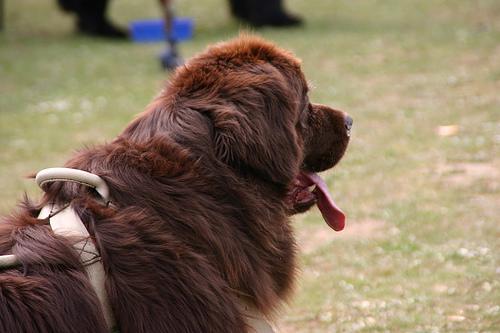
Hydrotherapy is one of the most effective tools for keeping an arthritic dog moving — and it is often the thing caregivers hear about last.
When an arthritic dog’s daily walks become a careful negotiation between exercise and pain, a rehab vet’s mention of hydrotherapy can feel almost like an afterthought. It shouldn’t be. Many owners describe watching their dog trot on an underwater treadmill with ease they hadn’t seen in months — that kind of turnaround changes how you think about managing the condition entirely.
If you are looking for a way to help your dog stay strong and comfortable without hammering their joints, this is worth understanding in detail.
What Exactly Is Hydrotherapy?
Hydrotherapy uses water to support, resist, and rehabilitate the body. For dogs, it comes in two main forms:
- Underwater treadmill (UWTM): The dog walks on a treadmill inside a tank that fills with warm water to roughly chest height. The buoyancy reduces weight bearing on painful joints while still letting the dog walk in a natural gait pattern. Water depth can be adjusted to increase or decrease how much load the joints carry.
- Swim pool: The dog swims in a temperature-controlled pool, often with the help of a therapist or flotation vest. This builds cardiovascular fitness and muscle mass with virtually zero joint impact.
Both approaches increase circulation, reduce inflammation, and rebuild the muscle mass that arthritic dogs lose when pain makes them move less. According to VCA Hospitals, hydrotherapy is one of the most widely recommended physical rehabilitation techniques for dogs with musculoskeletal conditions.
- Rebuilding muscle lost from reduced activity
- Improving range of motion in stiff joints
- Reducing swelling and inflammation after exercise
- Supporting weight loss, which directly reduces joint load
- Improving gait and balance in dogs with compensatory movement patterns
Is My Dog a Good Candidate?
Most arthritic dogs are excellent candidates for hydrotherapy. The dogs who tend to benefit most are those who are clearly sore after walks, moving more stiffly in the morning, or starting to lose muscle in their hindquarters — a very common pattern as dogs shift weight forward to protect painful hips or knees.
Signs your dog might be ready to try hydrotherapy:
- Reluctance to climb stairs or jump: A classic sign that joints are limiting them
- Muscle loss over the hips or back end: Pain causes dogs to shift weight forward and underuse those muscle groups
- Stiffness after rest: The “warming up” period before they move normally is getting longer
- Post-walk soreness: They do okay during the walk but pay for it afterward
- Shortening stride: Smaller, stiffer steps instead of their normal gait
The best starting point is a consultation with a certified canine rehabilitation therapist — ideally a veterinarian or vet tech with CCRP (Certified Canine Rehabilitation Practitioner) or CCRT (Certified Canine Rehabilitation Therapist) credentials. They will assess your dog’s gait, muscle condition, and pain levels before recommending a plan tailored to your dog’s specific needs.
If your dog also has a spinal condition alongside arthritis, our guide to managing arthritis in dogs covers how to navigate overlapping conditions with your vet.
- Open wounds, skin infections, or sutures not yet healed
- Active ear infections (pool submersion can worsen them)
- Uncontrolled heart or respiratory disease
- Fever or acute illness
- Dogs who are extremely fearful of water — forced exposure causes stress, not healing
What Happens During a Hydrotherapy Session?
The first session is intentionally short — typically 10 to 15 minutes, sometimes less — because the therapist is watching for fatigue and stress responses as much as measuring physical capacity. Here is what a typical underwater treadmill session looks like from start to finish:
- Pre-session assessment: The therapist checks your dog’s range of motion, notes areas of soreness, and reviews any changes since the last visit.
- Getting in the tank: Most dogs need help the first time. Some are nervous; some take to it immediately. A good therapist does not rush this step.
- Water fill: The tank fills slowly around your dog. Chest-height water is standard for most arthritis cases, though the therapist may start shallower if your dog is anxious or deconditioned.
- Walking: The treadmill starts at a slow pace. The therapist watches gait closely and may adjust water depth or belt speed in real time.
- Cool-down: Many sessions end with gentle massage or cold therapy on inflamed areas — both can help reduce post-session soreness.
Your dog will likely be genuinely tired afterward — tired in a good way, the way they used to be after a satisfying walk. This is normal. Most owners report their dog sleeps well that evening and wakes with noticeably reduced stiffness.
What About Swim Pool Sessions?
Pool sessions follow a similar structure but replace walking with swimming. A therapist or assistant typically stays in the water with the dog, supporting them if needed and guiding their direction. Flotation vests are common, especially in the early sessions. Pool therapy tends to be better suited to dogs who are already relatively mobile but need cardiovascular conditioning and muscle building, while the underwater treadmill is often preferred for dogs who need gait correction or have significant hind-end weakness.
From what I have seen among owners in the canine rehabilitation community, many dogs end up doing a combination of both depending on their stage of arthritis and seasonal factors.
- Keep a short notes log after each session: How did they move that evening? The next morning?
- Maintain any at-home exercises the therapist recommends between sessions
- Ask about warm water soaks or gentle range-of-motion exercises you can do at home
- Combine hydrotherapy with your vet-recommended pain management plan — it works best as part of a whole approach, not as a standalone treatment
How Do I Find a Certified Canine Hydrotherapist?
This part takes a little legwork. Not every veterinary practice offers it, and quality varies considerably. Here is what tends to work:
- Ask your vet for a referral: Many general practice vets have relationships with rehab specialists in the area.
- Search the IVRP or CCRP directories: The International Association of Veterinary Rehabilitation and Physical Therapy maintains a provider finder online.
- Visit before you commit: A good facility will let you tour before your dog’s first session. Look for clean water, calm staff, and a therapist who takes time to answer your questions.
- Ask about credentials directly: CCRP and CCRT are the two most recognized certifications in canine rehabilitation.
How Much Does Canine Hydrotherapy Cost?
Sessions typically run $40 to $90 depending on your location, session length, and whether it is at a standalone rehab center or part of a veterinary hospital. Initial evaluation appointments are often priced separately. Some pet insurance plans cover canine rehabilitation — it is worth calling your insurer before assuming the cost is entirely out of pocket.
For ongoing arthritis management, pairing hydrotherapy with the right joint supplements can meaningfully extend the benefit between sessions. Our guide to joint supplements for arthritic dogs covers what is actually worth adding to your dog’s routine.
- Staff cannot explain the therapist’s credentials or training
- No pre-session assessment or intake consultation
- Water appears cloudy or smells strongly of chemicals
- Your dog is showing signs of distress and staff are not responding to it
- No visible safety equipment or emergency exit plan for the tank
What Results Can You Realistically Expect?
Owners in the canine rehabilitation community consistently describe a similar arc: subtle improvements in the first two weeks, more noticeable changes by weeks four to six. The changes tend to be qualitative before they are dramatic — a dog that wags more enthusiastically getting up, takes fewer seconds to find their stride on a morning walk, or shows less reluctance when asked to navigate a small step.
From what rehab therapists describe, the mechanism is cumulative: each session maintains muscle mass and range of motion that would otherwise decline. The goal is not to reverse joint damage — arthritis is a progressive condition and water therapy cannot undo structural changes — but to slow the loss of function, reduce pain, and preserve quality of life for as long as possible.
For arthritis management that goes beyond mobility support, our guide to home environment modifications for arthritic dogs covers the practical changes that complement what hydrotherapy does.
The Honest Part
Hydrotherapy is not a cure, and it is worth saying that plainly. Arthritis progresses regardless, and there will still be hard days. What water therapy does is give your dog back some of the comfortable movement pain has taken from them — and when you are a caregiver watching a dog you love grow stiffer and more hesitant, that matters more than it might sound.
Many owners describe their dog’s first session with a phrase that keeps coming up: “surprised relief.” Like the dog had forgotten movement could feel that way. That moment — watching your dog step off a treadmill moving better than they have in months — is worth the drive, the cost, and the wet car seat on the way home.
Related Reading
- Natural Remedies for Canine Arthritis: What Actually Works
- Joint Supplements for Dogs: What Actually Works
- Managing Arthritis in Dogs: A Complete Care Guide
Frequently Asked Questions
How often should an arthritic dog do hydrotherapy?
Most dogs start with one session per week and adjust based on how they respond. Some benefit from twice weekly during flare-ups, then drop to every two to three weeks for maintenance. Your rehab vet will guide the schedule based on your dog’s specific condition and progress.
Is hydrotherapy safe for all arthritic dogs?
Most arthritic dogs are good candidates, but dogs with open wounds, skin infections, uncontrolled heart conditions, or active respiratory issues may need to wait or avoid it. Always get a vet clearance before starting, especially if your dog has any concurrent health conditions.
What is the difference between a pool and an underwater treadmill?
A pool allows free swimming, which builds muscle with virtually zero joint impact. An underwater treadmill submerges the dog to chest height and lets them walk in a natural gait — the buoyancy reduces joint load while still replicating normal movement. Treadmills are often preferred for dogs with gait or balance issues.
Can I do water therapy at home?
A warm bath with gentle range-of-motion exercises can help, but it is not a substitute for a supervised hydrotherapy session. Home pools and bathtubs lack the resistance, temperature control, and safety features of a professional setup. Use home water work as a supplement between sessions, not a replacement for them.
This guide is based on real experience and should be used alongside professional veterinary care. Always consult your veterinarian before starting any new treatment or making changes to your dog’s care plan.