How Vets Diagnose Arthritis in Dogs: X-Rays and Exams
Appointment booked for your dog's stiff joints? Here's exactly what vets look for, what x-rays show, and what the visit will cost — so you're not caught off…
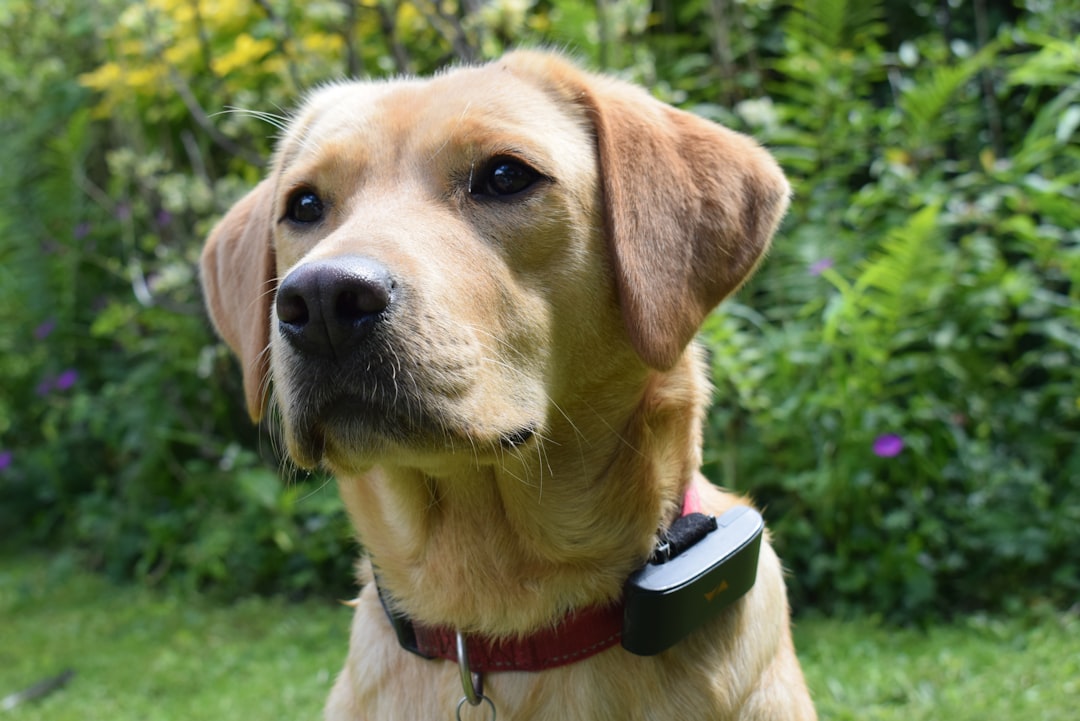
Photo by Fran Taylor on Unsplash
Walking into a vet appointment knowing what to expect makes everything — including the bill — much less frightening.
If you’ve booked an appointment because your dog has been stiff in the mornings, reluctant to use the stairs, or just moving differently than they used to, you’re probably wondering: what is the vet actually going to do in there? And will x-rays tell us anything definitive? I’ve heard this question dozens of times in disabled dog communities, and I always wish there were a clear, plain-language answer to point people toward. So here it is.
What Happens During the Physical Exam?
The orthopedic exam is the foundation of an arthritis diagnosis. Before any imaging happens, your vet will work through your dog’s body systematically, feeling for pain responses, checking range of motion in each joint, and watching how your dog moves.
A typical orthopedic exam for suspected arthritis includes:
- Gait observation: Your vet will watch your dog walk, trot, and turn — often in the hallway. They’re looking for favoring a limb, a shortened stride, or an asymmetrical way of moving.
- Joint palpation: Each major joint — hips, knees (stifles), elbows, shoulders, and sometimes the spine — is manipulated gently. Your vet is feeling for crepitus (a grinding or clicking sensation inside the joint), swelling, heat, and your dog’s pain response.
- Range of motion testing: Each joint is flexed and extended to its natural limit. Reduced range of motion or flinching at specific angles is a key indicator of arthritis or joint injury.
- Muscle mass comparison: Arthritis in one limb often causes subtle muscle wasting on that side because the dog naturally unweights a painful leg. Your vet will run their hands along both sides to compare.
- Spinal assessment: The spine is palpated along its length. This helps distinguish joint-based pain from spinal issues that can mimic arthritis — something I know is easy to confuse, having been down the IVDD road myself.
Come prepared to describe what you’ve seen at home. When symptoms are worst (morning stiffness that improves? worse after exercise?), how long they’ve been happening, and whether any joints look visibly swollen. That history shapes which joints get the most attention on the table.
- A short video of your dog walking or getting up from rest — hard to replicate in a stressful clinic environment
- A timeline of when symptoms started and any changes you’ve noticed
- A list of supplements or medications your dog is currently taking
- Notes on which activities your dog has stopped doing or avoids
What Do X-Rays Actually Show?
X-rays are the most common imaging tool for confirming arthritis in dogs, and they’re much more informative than most owners expect — but also more limited than many hope.
Arthritis produces visible changes in bone structure over time. An x-ray of an arthritic joint may reveal:
- Osteophytes: Also called bone spurs, these are bony outgrowths that form at the edges of joints as the body tries to stabilize a damaged area. They’re one of the clearest radiographic signs of arthritis.
- Joint space narrowing: Cartilage doesn’t show on x-ray directly, but the space between bones does. A narrowed joint space suggests cartilage has been worn away.
- Subchondral bone changes: The bone directly under the cartilage can become thicker (sclerosis) or develop small pits (cysts) in arthritic joints.
- Joint effusion: Fluid accumulation inside a joint can sometimes be inferred from soft tissue swelling visible on the image.
Here’s what x-rays cannot do: they cannot image cartilage directly, and they often look nearly normal in early-stage arthritis before significant bone remodeling has occurred. VCA Hospitals notes that the physical examination and patient history remain essential parts of the arthritis workup precisely because early disease can appear subtle on radiographs.
How Many Views and Joints Will Be Imaged?
Most arthritis workups include two views of each suspect joint — one from the side (lateral) and one from above (ventrodorsal or craniocaudal). Hip dysplasia, a common arthritis driver in medium and large breeds, often requires a specific extended-hip positioning. This is uncomfortable enough that most vets recommend sedation to get accurate images without causing distress.
If your dog has widespread stiffness, your vet may image several joints in a single session. More joints imaged means higher cost, so it helps to have a clear conversation upfront about which areas are the priority.
- X-rays are normal but your dog is clearly in significant pain
- Joint swelling is dramatic, warm, or came on suddenly
- Your dog is young (under 3 years) with severe joint changes — could indicate a developmental condition
- Symptoms are progressing rapidly despite treatment
- Your vet cannot confidently determine which joint is the primary pain source
Does My Dog Need Bloodwork Too?
Blood panels are not required to diagnose arthritis, but your vet may recommend them for a few good reasons. First, inflammatory joint diseases — like immune-mediated polyarthritis, where the body attacks its own joints — can look similar to straightforward osteoarthritis on an exam but require very different treatment. Blood markers of systemic inflammation can help distinguish these.
Second, if your dog is headed toward long-term NSAID (non-steroidal anti-inflammatory drug) use, a baseline kidney and liver panel is standard of care. NSAIDs are processed by these organs, and it’s important to confirm they’re healthy before committing to ongoing medication.
From what I’ve heard from other caregivers and rehab therapists, the bloodwork conversation usually comes up at the same appointment — so it’s worth asking your vet whether they recommend it before you leave.
What Does the Arthritis Diagnosis Visit Cost?
Cost varies by region, clinic type, and how many joints are imaged. A rough framework:
| Service | Typical Range | Notes |
|---|---|---|
| Office exam | $55–$100 | Often bundled as part of a diagnostic visit fee |
| X-rays (2–4 views, one joint) | $75–$200 | More joints = higher cost |
| Sedation for positioning | $50–$150 | Often recommended for hip and shoulder imaging |
| Bloodwork panel | $80–$200 | Optional but common if NSAIDs are being considered |
| Total, general practice | $150–$450 | Varies significantly by location |
| Specialist referral | $250–$600+ | Includes specialist consultation fee |
 disableddogcare.com
These are general ranges — actual costs depend heavily on where you live and the clinic’s pricing. Call ahead and ask for an estimate before your appointment. Most clinics are happy to give you a ballpark.
- Ask your vet to walk you through the x-ray images and point out what they’re seeing
- Request a written copy of the diagnosis and any staging language used (mild, moderate, severe)
- Ask specifically which joints are affected — this helps with home modifications and exercise decisions
- Confirm whether repeat imaging will be needed and at what interval
What Happens After the Diagnosis?
Once arthritis is confirmed, the conversation shifts to management. Most general practice vets will discuss pain medication options — NSAIDs are the most commonly prescribed first-line treatment — alongside weight management, exercise modification, and supplements. If you want to dig into what life actually looks like after diagnosis, the managing arthritis in dogs guide covers the full picture.
For dogs whose arthritis is complicated by another condition — like degenerative myelopathy — the treatment approach gets more nuanced. The article on DM plus arthritis is worth reading if you’re dealing with more than one diagnosis at once.
One thing I hear consistently from caregivers: getting the diagnosis on paper, knowing which joints are involved, and having a baseline set of images makes every future appointment easier. You’re not starting over at zero every time. That documentation matters.
Related Reading
- Managing Arthritis in Dogs: A Complete Care Guide
- Signs of Hip Dysplasia in Adult Dogs
- DM vs. Arthritis in Dogs: How to Tell the Difference
Frequently Asked Questions
Can a vet diagnose arthritis without x-rays?
A vet can strongly suspect arthritis based on a physical and orthopedic exam alone, but x-rays are usually needed to confirm the diagnosis and rule out other conditions. Without imaging, it’s difficult to assess how much joint damage has already occurred.
How much does an arthritis diagnosis typically cost?
A basic exam plus x-rays at a general practice veterinarian typically runs between $150 and $400, depending on how many joints are imaged and your location. Specialist referrals and additional diagnostics like bloodwork can add to that total.
What if x-rays look normal but my dog is clearly in pain?
Early-stage arthritis can look nearly normal on x-rays before significant cartilage loss or bone changes occur. If imaging is unremarkable and your dog is still symptomatic, your vet may recommend repeat imaging in a few months, additional blood panels, or a referral to a veterinary orthopedic specialist.
Will my dog need sedation for arthritis x-rays?
Often yes, especially for hip and shoulder joints where positioning matters. Light or heavier sedation may be recommended to get diagnostic-quality images without putting your dog in a painful position. Your vet will discuss the level of sedation they plan to use beforehand.
This guide is based on real experience and should be used alongside professional veterinary care. Always consult your veterinarian before starting any new treatment or making changes to your dog’s care plan.