Gabapentin for Arthritic Dogs: What to Expect
Gabapentin is one of the most commonly prescribed pain meds for arthritic dogs — but it works differently than NSAIDs. What caregivers wish they'd known before…
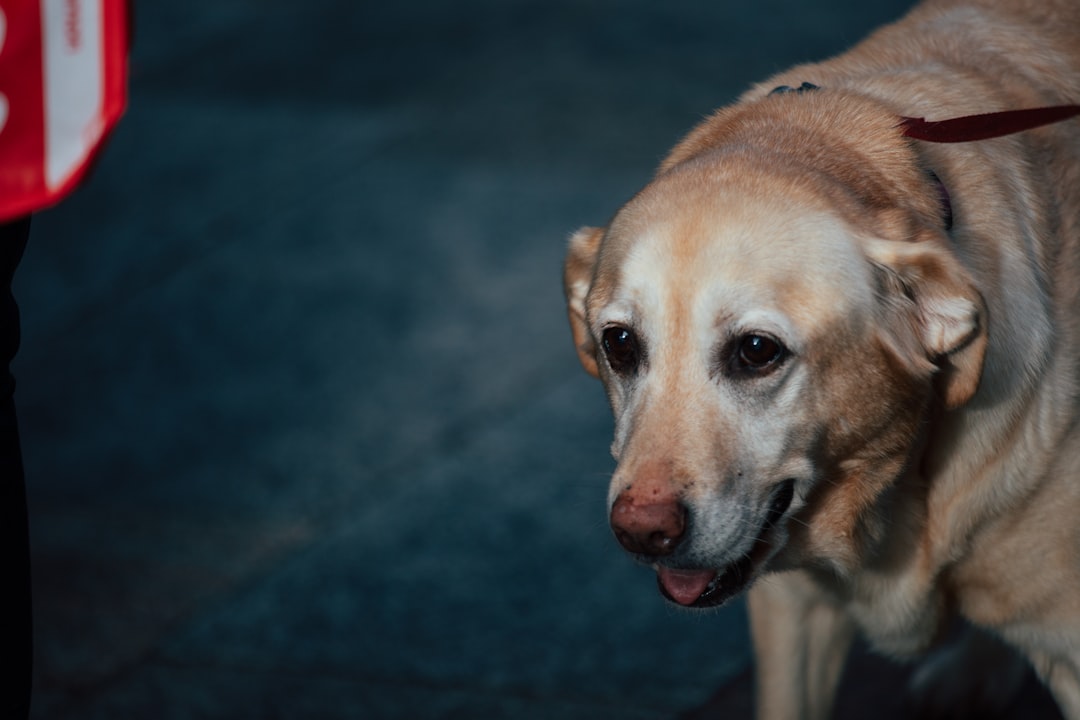
Photo by atelierbyvineeth ... on Unsplash
Gabapentin is one of the most commonly prescribed medications for arthritic dogs — and one of the most misunderstood.
What Exactly Is Gabapentin — and How Does It Help Arthritis?
Gabapentin is not an anti-inflammatory and it’s not a traditional painkiller. It was originally developed as an anticonvulsant (a seizure medication), and it works by calming overactive nerve signaling in the spinal cord and brain.
That matters for arthritis because joint pain isn’t always just about the joint. Over time, chronic arthritis can cause a phenomenon called central sensitization, where the nervous system essentially becomes hypersensitive — amplifying pain signals even when the underlying inflammation is stable. Gabapentin is widely believed to help interrupt that cycle, which is why many rehab vets reach for it when NSAIDs alone aren’t controlling a dog’s pain well.
From what I’ve seen discussed among caregivers and rehab therapists, gabapentin tends to be most helpful in dogs whose pain seems “more than the X-ray shows” — dogs who flinch at light touch, who seem generally uncomfortable even on a good day, or who have additional nerve involvement alongside their joint disease.
- Targets neuropathic (nerve-driven) pain — not the same as inflammation
- Does NOT reduce joint swelling or slow cartilage breakdown
- Most effective when used alongside an NSAID for arthritic dogs
- May also help with anxiety and muscle tension as secondary benefits
Is Gabapentin Right for Your Arthritic Dog?
Only your vet can make that call, but there are some patterns where gabapentin tends to come up. Dogs with moderate to severe arthritis who aren’t getting full relief from an NSAID alone, dogs who can’t tolerate higher NSAID doses due to kidney or liver concerns, and older dogs with multiple joint involvement are all situations where vets frequently consider adding gabapentin to the protocol.
It’s also commonly used in dogs who have both arthritis and another spinal or neurological condition — because gabapentin addresses nerve pain broadly. If your dog has been diagnosed with arthritis alongside something like spondylosis, for example, a vet might reach for gabapentin earlier.
Dosing varies significantly by the dog’s weight and the severity of their symptoms — the Merck Veterinary Manual notes that dosing for pain management in dogs is extrapolated from human medicine and adjusted based on individual response, which is why your vet may need a few weeks to find the right amount for your dog. Don’t expect a single standard dose to apply universally.
What Side Effects Should You Watch For?
The most common gabapentin side effects in arthritic dogs are sedation and ataxia — which means wobbliness in the hind legs. This can look alarming the first time you see it, especially if your dog was already a bit unsteady from hip or joint pain.
Here’s what I hear consistently from caregivers: the sedation often peaks in the first three to five days and then settles down as the dog’s body adjusts. If your dog is so sedated they won’t eat or can’t get up to go outside, that’s worth a call to your vet — the dose may need adjustment. But mild sleepiness in week one is usually normal.
The hind-leg wobbliness is worth monitoring carefully, especially in large or heavy dogs. A dog who is already compensating for painful hips doesn’t need the added challenge of feeling off-balance from medication.
- Hind-leg weakness so severe the dog can’t stand or walk safely
- Refusal to eat lasting more than 24–48 hours
- Vomiting or significant GI upset
- No improvement in pain after 7–10 days at the prescribed dose
- Any sudden change in behavior or mental alertness
What About Long-Term Use?
Many arthritic dogs stay on gabapentin for months or years. From what rehab vets and caregivers report, it tends to be well-tolerated over the long haul, with fewer kidney and liver concerns than long-term NSAID use. That said, periodic bloodwork is still a reasonable practice for any dog on long-term medication, and your vet will advise you on their preferred monitoring schedule.
One important note: gabapentin comes in a liquid formulation that often contains xylitol (a sweetener that’s toxic to dogs). If your vet prescribes the liquid form, confirm with the compounding pharmacy or ask for the capsule version instead. This is one of those things that’s easy to miss in the chaos of a new diagnosis.
- Some commercial liquid gabapentin formulations contain xylitol, which is toxic to dogs
- Always confirm the formulation with your vet or pharmacist before giving it
- The capsule or tablet form does not carry this risk
- If in doubt, ask for a dog-safe compounded version
Starting Gabapentin: What the First Two Weeks Look Like
The first week is often the hardest — not because the drug is dangerous, but because the sedation catches people off guard. Many owners I’ve talked with assume their dog is having a bad reaction when really the drug is just doing what it does at the beginning.
Here’s a general sense of the adjustment window:
| Phase | What to Expect |
|---|---|
| Days 1–3 | Noticeable sedation; possible hind-leg wobbliness |
| Days 4–7 | Sedation usually begins to lift; watch for pain improvement |
| Week 2 | Most dogs have adjusted; clearer sense of whether it’s helping |
| Week 3+ | If no improvement, contact vet to discuss dose adjustment |
 disableddogcare.com
Keep notes during this window. Track your dog’s sleep, appetite, willingness to rise, and mobility each day. That data is genuinely useful when you talk to your vet about whether the current dose is working.
For dogs managing arthritis alongside joint pain management, you can find more on what a full pain protocol looks like in the pain medications overview for arthritic dogs.
If daily notes aren’t sticking, our mobility tracker is a weekly log of how your dog is moving week to week across seven descriptive domains, printable for the recheck where you and your vet can talk through what the log shows.
Never Stop Gabapentin Abruptly
This is the one thing I want every caregiver to remember: gabapentin should always be tapered off, not stopped cold turkey. Abrupt discontinuation can cause rebound pain or increased nerve sensitivity — and in some cases, withdrawal-like effects. If you’re thinking about stopping it because it doesn’t seem to be helping, or because you want to try something different, call your vet and ask for a taper schedule.
- Give it at consistent times daily — spacing matters for steady blood levels
- Pair with an NSAID if your vet recommends it — the two work differently and complement each other
- Keep a daily pain log for the first two weeks to give your vet useful feedback
- Never adjust the dose up or down without checking with your vet first
Related Reading
- Pain Medications for Dogs With Arthritis
- Managing Arthritis in Dogs: A Complete Care Guide
- 7 Signs Your Dog’s Arthritis Is Getting Worse
Frequently Asked Questions
How long does gabapentin take to work in arthritic dogs?
Most owners notice a difference within 24–72 hours of starting gabapentin, though some dogs take a full week to show meaningful improvement. The sedation effect often appears before the pain relief does.
Can my dog take gabapentin and an NSAID together?
Yes — gabapentin and NSAIDs like carprofen or meloxicam work through completely different mechanisms, so many vets prescribe both together for arthritic dogs with moderate to severe pain. Always confirm the combination with your vet before adding anything new.
What are the most common side effects of gabapentin in dogs?
Sedation and wobbly hind legs (ataxia) are the most common side effects, especially in the first week. These often improve as your dog adjusts to the dose, but if your dog can’t stand or seems distressed, call your vet.
Can I stop giving gabapentin suddenly if my dog seems better?
No — gabapentin should be tapered off gradually rather than stopped all at once. Abrupt discontinuation can cause rebound pain or, in some cases, increased sensitivity. Your vet will guide you on a taper schedule.
This guide is based on real experience and should be used alongside professional veterinary care. Always consult your veterinarian before starting any new treatment or making changes to your dog’s care plan.