Must Read

Best Emergency Vet Hospital? Why Wait Time Matters Most
In a real emergency, the 'best' vet hospital is the one that can see your dog soonest. Here's the call-around strategy I'd use if Heidi went down today.
Managing arthritis and joint health in disabled dogs - exercise modifications, supplements, and care strategies
These guides are written for anyone living with a dog whose joints have started to stiffen. That usually means an older dog, but it can be a younger one after an injury or with a developmental joint problem. Arthritis rarely announces itself. Most owners notice a shorter walk or a pause before the stairs long before they hear the word from a vet.
Early on, the main question is whether this is arthritis or just age, and what an exam and X-rays can tell you. Once a diagnosis is made, the decisions turn to pain relief: which medication classes fit your dog, how to tell if one is working, and what bloodwork long-term use requires. Later, many owners find the first medication losing ground. They start weighing additions, changing the house to reduce strain, and watching for the specific signs that the disease is progressing.
Recommended starting points:
In a real emergency, the 'best' vet hospital is the one that can see your dog soonest. Here's the call-around strategy I'd use if Heidi went down today.

Your vet keeps ordering blood tests for your dog's arthritis meds — here's what they're actually checking, why it matters, and what to do if results come back…

Your dog's arthritis meds stopped helping and you're scared. Here's what actually happens when NSAIDs lose effectiveness — and what vets try next.

Is your dog in pain or just stiff? The answer changes everything about treatment. What caregivers and rehab specialists have learned about telling the two…

Appointment booked for your dog's stiff joints? Here's exactly what vets look for, what x-rays show, and what the visit will cost — so you're not caught off…
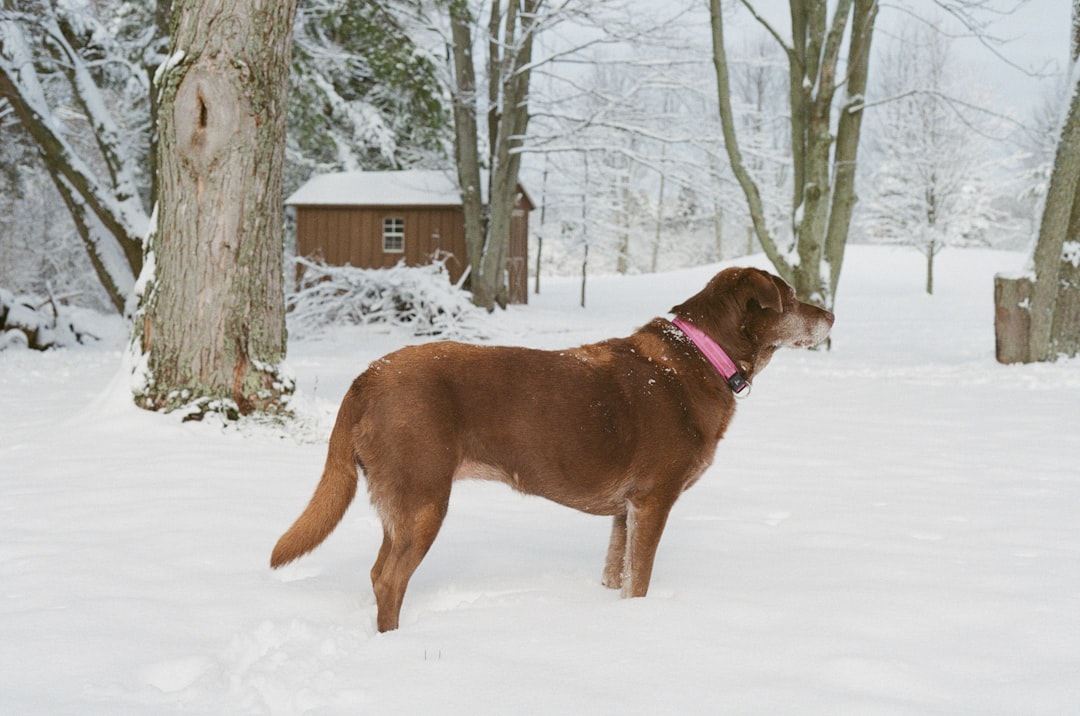
Arthritis vs hip dysplasia in dogs — two conditions, similar symptoms, very different causes. Here's how caregivers can start telling them apart before the vet…
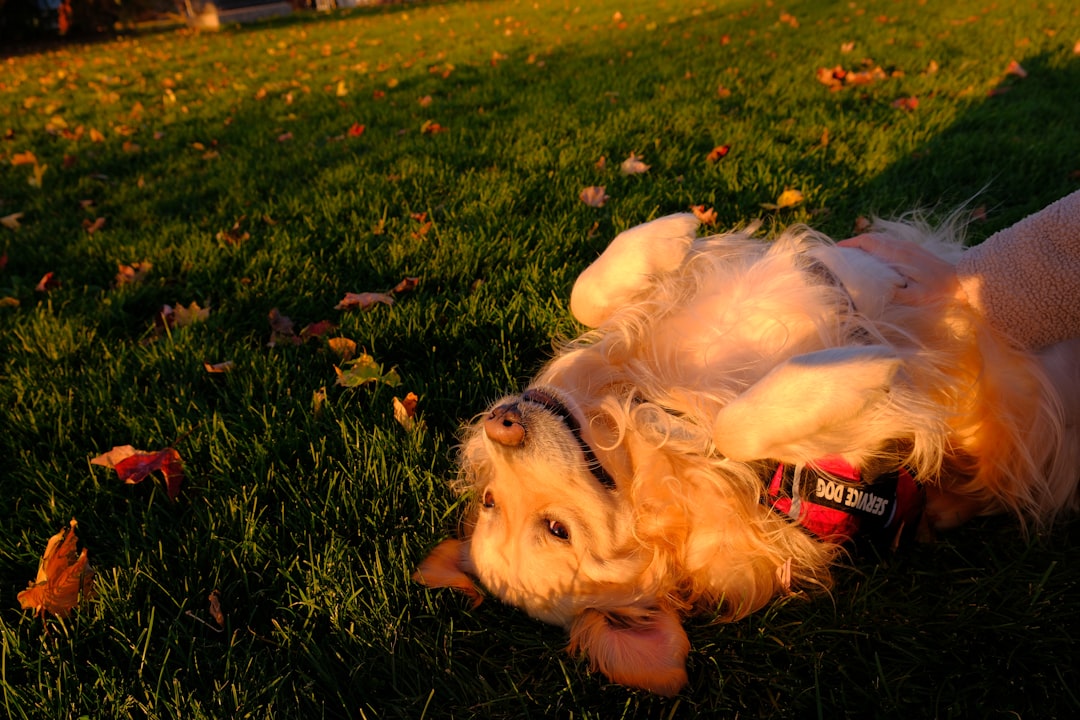
Your dog is stiff and slowing down — but is it arthritis, or something else entirely? What caregivers wish they'd known before assuming the obvious.

Your dog is slowing down — but is it age or arthritis? The early signs are subtle and easy to rationalize away. Here's what to look for before pain takes hold.

Weight management is the single highest-impact non-medical arthritis intervention. Here's the calorie math, body condition scoring, and anti-inflammatory…

Wondering if acupuncture can ease your dog's arthritis pain? What caregivers and rehab vets say — plus what to realistically expect from sessions.

Gabapentin is one of the most commonly prescribed pain meds for arthritic dogs — but it works differently than NSAIDs. What caregivers wish they'd known before…