Before Dog Amputation Surgery: What to Expect
The questions every owner has before their dog's amputation — answered honestly by someone who's talked to dozens of tripod families. Real prep, real talk.
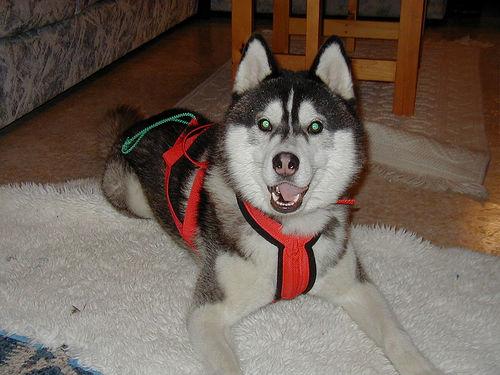
The days before your dog’s amputation are often harder on you than on your dog, but knowing what’s coming makes an enormous difference.
I’ve talked with a lot of tripod dog families over the years: through the disabled dog community online, in vet waiting rooms, and through this site. And almost universally, the thing that blindsides people isn’t the surgery itself. It’s the before. The waiting. The uncertainty. Not knowing what questions to ask.
This article is for anyone standing in that space right now.
What Happens at the Pre-Surgery Appointment?
Your vet will confirm your dog’s overall health before clearing them for amputation surgery. This typically includes bloodwork to check organ function, a physical exam, and imaging (usually X-rays) to assess the affected limb and ensure there are no other complicating factors. If cancer is involved, additional staging tests may be recommended.
Most veterinary practices also perform a pre-anesthetic evaluation to identify any risks related to anesthesia. Older dogs, brachycephalic (flat-faced) breeds, and dogs with pre-existing heart or kidney conditions may need additional workup before the team feels confident proceeding.
Don’t skip this appointment or let the rushing feeling of urgency push you past it. I know when you’re watching your dog suffer, from a bone tumor, a severe injury, or nerve damage that’s beyond repair, the instinct is to just get it done. But this step exists to protect your dog.
- Which leg (or how much of the leg) will be removed?
- Will the surgery be performed by a board-certified surgeon or a general practice vet?
- What pain protocol will be used during and after surgery?
- How long will my dog be hospitalized?
- What does the incision care look like at home?
How Do I Prepare My Home Before the Surgery?
Set up your home before you leave for drop-off — you won’t want to be scrambling when your dog comes home groggy and disoriented. Tripod dogs returning from surgery need a soft, low, easily accessible resting space with good footing nearby.
From what I’ve seen and heard from other owners, these are the most important things to have ready:
- Non-slip flooring or rugs: Hardwood and tile are the enemy of a freshly amputated dog. Lay down yoga mats, rubber-backed rugs, or carpet runners on every route they’ll need to walk.
- Low sleeping surface: Your dog cannot jump right now. If they normally sleep on a high bed or sofa, get a ground-level memory foam bed set up before surgery day. A memory foam dog bed with low sides works well and protects the remaining joints from hard flooring.
- Blocked-off stairs: Even one step can be dangerous in the first days post-op. Baby gates are worth having ready.
- A calm, quiet recovery zone: A small gated area of a room (not too big) keeps them from wandering, overexerting, and potentially falling.
- Baby wipes and clean towels nearby: There may be drainage from the surgical site, and your dog may struggle to squat/lift properly for bathroom trips at first.
What Are the Day-Of Logistics?
Most surgeries require your dog to fast: no food or water after a set time the night before, typically around midnight. Your vet will confirm the exact window. The fasting requirement exists because anesthesia can trigger vomiting, and an empty stomach significantly reduces that risk.
On surgery day, you’ll drop your dog off in the morning (usually early) and wait. That waiting is genuinely one of the hardest parts. Bring something to do. Let yourself feel whatever you feel.
You’ll typically receive:
- A check-in call: When your dog goes into surgery, some practices call you to confirm. Others don’t call until they’re in recovery. Ask ahead of time which to expect so you’re not panicking.
- A recovery call: When your dog is awake, stable, and comfortable. This is the call you’re waiting for.
- Discharge instructions: Given in person when you pick up, often also in writing. Read them carefully before you leave the parking lot and ask about anything unclear on the spot.
- Tell your vet about every supplement and medication your dog takes, even “natural” ones like fish oil or turmeric
- Some supplements (fish oil, vitamin E) can increase bleeding risk and may need to be paused before surgery
- NSAIDs (like Rimadyl or Meloxicam) typically need to be stopped several days before the procedure. Your vet will specify.
- Never stop a medication without explicit guidance, but do disclose everything
Is Amputation the Right Decision?
Amputation is the right decision when the alternative is ongoing, unmanageable pain or a condition that is actively destroying your dog’s quality of life. Bone tumors (osteosarcoma), severe crush injuries, tumors with compromised circulation, and extreme nerve damage that cannot recover are all common reasons amputation becomes the most compassionate choice.
What I’ve heard again and again from tripod dog families is this: they expected their dog to be devastated, and instead their dog bounced back in a way that felt almost miraculous. Dogs don’t grieve a limb the way we imagine they will. They adapt. They compensate. They play.
That said, the emotional weight of making this decision is yours to carry, and it’s real. It’s okay to grieve even while making the right call.
- Pre-surgical bloodwork and imaging completed
- Fasting instructions confirmed and written down
- Home set up with non-slip surfaces and a low recovery bed
- Stairs blocked and a recovery zone created
- Post-op medication list reviewed and filled (or ready to fill at pickup)
- Someone at home with your dog for the first 48 hours
- New vomiting or diarrhea in the days before the scheduled procedure
- Your dog stopped eating or seems suddenly lethargic
- A change in the affected limb (new swelling, discharge, or skin color change)
- Any new medications or supplements were given accidentally
The anticipation of amputation surgery is exhausting in a specific way: it combines grief, fear, logistical overwhelm, and love all at once. But being as prepared as possible gives you one less thing to manage when your dog comes home and needs you to be steady for them. You’ve got this.
Related Reading
- Dog Amputation Recovery Day by Day: A 6-Week Timeline
- Life After Amputation: How to Care for Your Tripod Dog
- Tripod Dog Pain Management: Post-Op to Long-Term Joints
Frequently Asked Questions
How long does dog amputation surgery take?
Most canine limb amputations take roughly 1–3 hours, depending on which leg is removed and the dog’s overall health. Your surgical team can give you a more precise estimate once they review your dog’s imaging and surgical plan.
Will my dog be in a lot of pain after amputation?
Pain is well-managed in modern veterinary surgery. Dogs typically receive multimodal analgesia (multiple types of pain relief) during and after the procedure. Most owners are surprised by how alert and relatively comfortable their dog seems within 24 hours of waking up.
Should I shave or bathe my dog before amputation surgery?
Don’t shave or bathe your dog at home before surgery unless your vet specifically asks you to. The surgical team will prep the site in a sterile environment. Doing it yourself at home can actually increase infection risk.
What is the biggest mistake owners make before dog amputation?
The most common mistake is not asking enough questions before surgery day. Write them all down and call your team with every single one. The second biggest is not preparing the home in advance, which makes the first 48 hours far harder than they need to be.
This guide is based on real experience and should be used alongside professional veterinary care. Always consult your veterinarian before starting any new treatment or making changes to your dog’s care plan.