Life After Dog Amputation: Your New Normal
What owners wish they'd known about rebuilding life after dog amputation — realistic timelines, what changes, what surprises you, and how most tripod dogs…
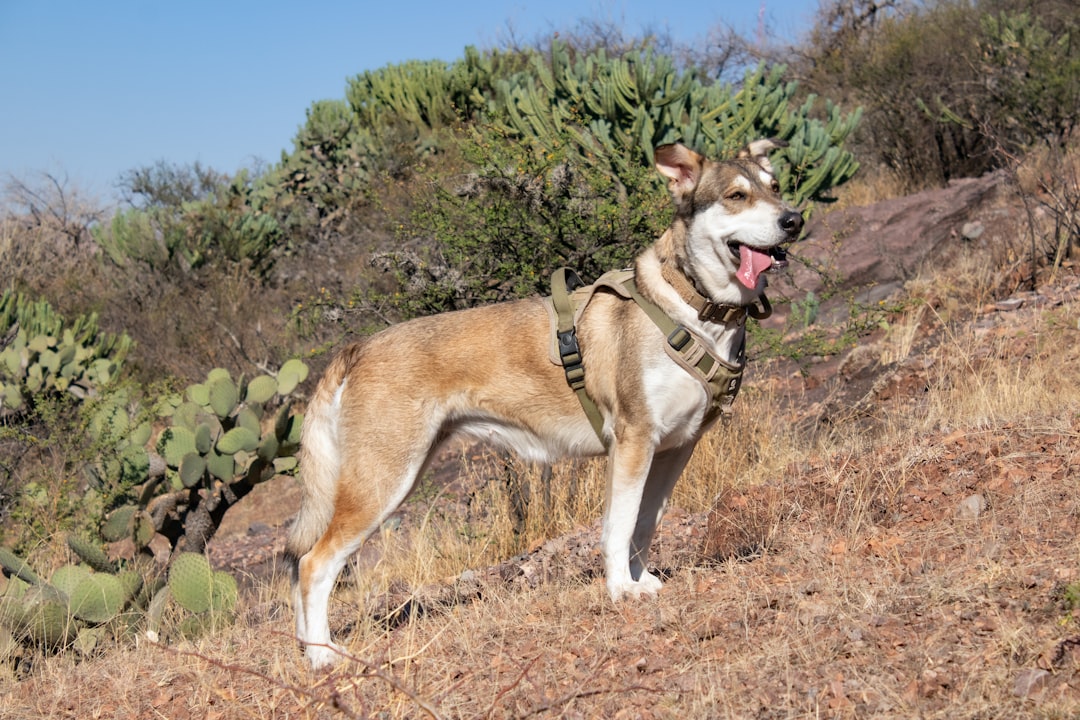
Photo by Gerardo Martin Fernandez Vallejo on Unsplash
Most tripod dogs don’t mourn the missing limb — but their owners often need longer to adjust than their dog does.
Dogs are remarkably pragmatic about physical limitations. Within days of coming home from amputation surgery, many three-legged dogs are already figuring out their new center of gravity, wagging at mealtimes, and begging for attention. What the recovery period actually demands is not mostly about the dog’s emotional adjustment — it’s about you learning the new routines, the new physical demands on your dog’s body, and the new version of normal that’s coming.
What Does the First Month Actually Look Like?
The first month after dog amputation is the most demanding — and the most variable. Most dogs go home within 24–48 hours of surgery, and the first week is heavy on incision monitoring, pain management, and helping your dog navigate a body that now balances differently.
The surgical site typically heals within 2–3 weeks for uncomplicated cases. During that period, your job is keeping it clean, preventing licking, and watching for redness, swelling, or discharge that looks off. A cone or soft muzzle is usually non-negotiable during this phase — dogs will absolutely investigate their own sutures if given the chance.
Movement changes fast. Rear-leg amputees often surprise owners by standing and walking sooner than expected, since the front legs do most of the propulsive work anyway. Front-leg amputees have a steeper physical adjustment curve because they’ve lost a weight-bearing leg that was doing significant work. Front-limb tripods commonly develop a recognizable rocking gait and may need more time to build the muscle mass and balance to move confidently.
- Keep the incision clean and dry — no baths until cleared by your vet
- Use a cone or soft mesh muzzle to prevent licking at sutures
- Limit stairs, jumping, and running until your vet gives the all-clear
- Start short, slow leash walks once your vet approves — usually within the first week
- Weigh your dog weekly and flag any weight gain immediately
How Do I Know If My Dog Is Adjusting Well?
A dog who is adjusting well to amputation will be eating normally, sleeping comfortably, and showing interest in their usual activities — typically within 7–14 days of returning home. Signs like bright eyes, willingness to move toward people they like, and enthusiasm at mealtimes are strong indicators that your dog is not distressed.
What trips owners up is confusing normal post-surgical fatigue and soreness with signs that their dog is unhappy about the amputation itself. Dogs do not grieve limb loss the way humans imagine. The quiet, still behavior in week one is usually pain management medication doing its job, not depression. Once pain is controlled and the incision stops being tender, most dogs actively test what they can do.
Signs worth contacting your vet about include: persistent refusal to bear weight, crying or whimpering when resting (not just when touched), visible swelling or heat at the incision site, or a sudden change in behavior after a period of improvement.
- Discharge from the incision site that is yellow, green, or foul-smelling
- Suture pulling apart or a visible gap at the wound edges
- Fever, lethargy, or loss of appetite beyond day 3–4 post-op
- Persistent crying or guarding of the surgical area after the first week
- Sudden lameness or stumbling in a previously stable dog
The Long-Term Realities Owners Don’t Always Anticipate
Weight Is the Single Biggest Long-Term Factor
Three legs are doing the work of four — and every extra pound makes that harder. The remaining joints (especially the elbow or knee opposite the missing limb) take on compensatory load, and over time, that can accelerate joint wear. Weight management for tripod dogs is not optional. It’s probably the most important thing you can do for your dog’s long-term mobility and comfort.
Many rehab vets recommend reaching or maintaining a lean body condition — you should be able to feel your dog’s ribs easily without pressing hard. If your dog is already at a healthy weight, keep them there. If they came out of surgery a little heavy (which happens), work with your vet on a gradual weight loss plan. Our published guide on tripod dog nutrition covers weight targets and feeding adjustments in detail.
Joint Supplements Become Worth Reconsidering
Once the surgical site has healed and your dog is back to normal activity, many vets recommend adding a joint supplement to the daily routine. Glucosamine and chondroitin are widely recommended for tripod dogs, and omega-3 fatty acids (from fish oil) are generally thought to help with joint inflammation. The evidence base for these supplements varies — they’re not miracle drugs — but the downside risk is low and the potential for long-term joint support is real enough that most rehab vets consider them worth trying.
Exercise Needs to Be Structured, Not Restricted
One of the most common mistakes owners make after a dog adjusts well to amputation is overcorrecting in the other direction — either doing too little to “protect” the dog or letting the dog run wild at the dog park before their compensatory muscle is built up. Both create problems.
For the first few months, structured leash walks on even terrain are better than free running. Hydrotherapy is an excellent option during this phase — swimming and underwater treadmill work builds muscle without the joint impact of land exercise. Once your vet and rehab therapist confirm the muscle mass and stability are there, you can gradually increase intensity. The exercise progression guide for amputee dogs walks through this phase by phase.
- Maintain lean body weight — check with your vet at every visit
- Two shorter walks daily rather than one long one — distributes load better
- Consistent, non-slip flooring at home (yoga mats, carpet runners, rubber mats)
- Regular muscle-building exercises as cleared by your vet or rehab therapist
- Annual joint exams to catch any compensatory joint changes early
Flooring Matters More Than You’d Think
Slipping on hardwood or tile floors is a real risk for tripod dogs — one bad slip can cause a soft-tissue injury or knock a dog’s confidence. Rubber-backed runners, yoga mats, or interlocking foam tiles in the areas where your dog spends the most time make a significant difference. Our flooring and home safety guide for tripod dogs covers room-by-room setup.
What Most Owners Tell Me About Life at 6 Months
From what I’ve heard consistently from caregivers in the tripod dog community: the six-month mark is usually when owners stop thinking of their dog as “a dog with three legs” and start thinking of them as just their dog again. By then, most dogs have compensated so fully that strangers don’t notice the missing limb until they’re told. Dogs chase toys, bark at squirrels, demand attention, and generally behave like themselves.
The adjustment that takes longest is the owner’s — particularly around things like watching the dog stumble on a new surface, or feeling anxious at the dog park. That anxiety usually fades as you accumulate evidence that your dog is genuinely fine.
According to VCA Hospitals, the prognosis for dogs after limb amputation is generally very good, with most dogs returning to a high quality of life within weeks to months of surgery — a framing that lines up with what owners in the tripod community consistently describe.
Related Reading
- Life After Amputation: How to Care for Your Tripod Dog
- Tripod Dog Strength Exercises: A Post-Amputation Plan
- Best Flooring & Home Safety for Tripod Dogs
- Dog recovery timeline generator: post-amputation recovery schedule
Frequently Asked Questions
How long does it take a dog to fully adjust after amputation?
Most dogs adapt to three-legged life within 4–8 weeks of surgery, though full strength and confidence often continue improving for 3–6 months. Larger dogs and older dogs may take longer to build the compensatory muscle mass they need.
Will my dog be in chronic pain after amputation?
Most dogs are not in chronic pain once the surgical site heals, typically within 2–4 weeks. A small number experience phantom limb sensitivity or nerve pain — your vet can manage this with medication if it becomes an issue.
Do tripod dogs need special food or supplements?
Tripod dogs do not need a special diet, but weight management is critical because extra weight stresses the three remaining limbs and joints. Many owners add a joint supplement like glucosamine, which is widely recommended by rehab vets for three-legged dogs.
Can a tripod dog live a full, happy life?
Yes — the vast majority of tripod dogs maintain excellent quality of life and don’t show signs of reduced enjoyment. Dogs adapt to limb loss far faster than humans do, and many owners report their dog acting like nothing happened within a few weeks of coming home.
The hardest part of life after amputation, for most owners, is trusting what you’re seeing: a dog who is genuinely okay, genuinely adapting, genuinely still themselves. Give it a few weeks. The evidence usually shows up on its own.
This guide is based on real experience and should be used alongside professional veterinary care. Always consult your veterinarian before starting any new treatment or making changes to your dog’s care plan.