Dog Prosthetics: What Owners Need to Know
Dog prosthetics can restore natural gait after amputation — but only for the right candidates. Here's what the fitting process, daily care, and real costs look…
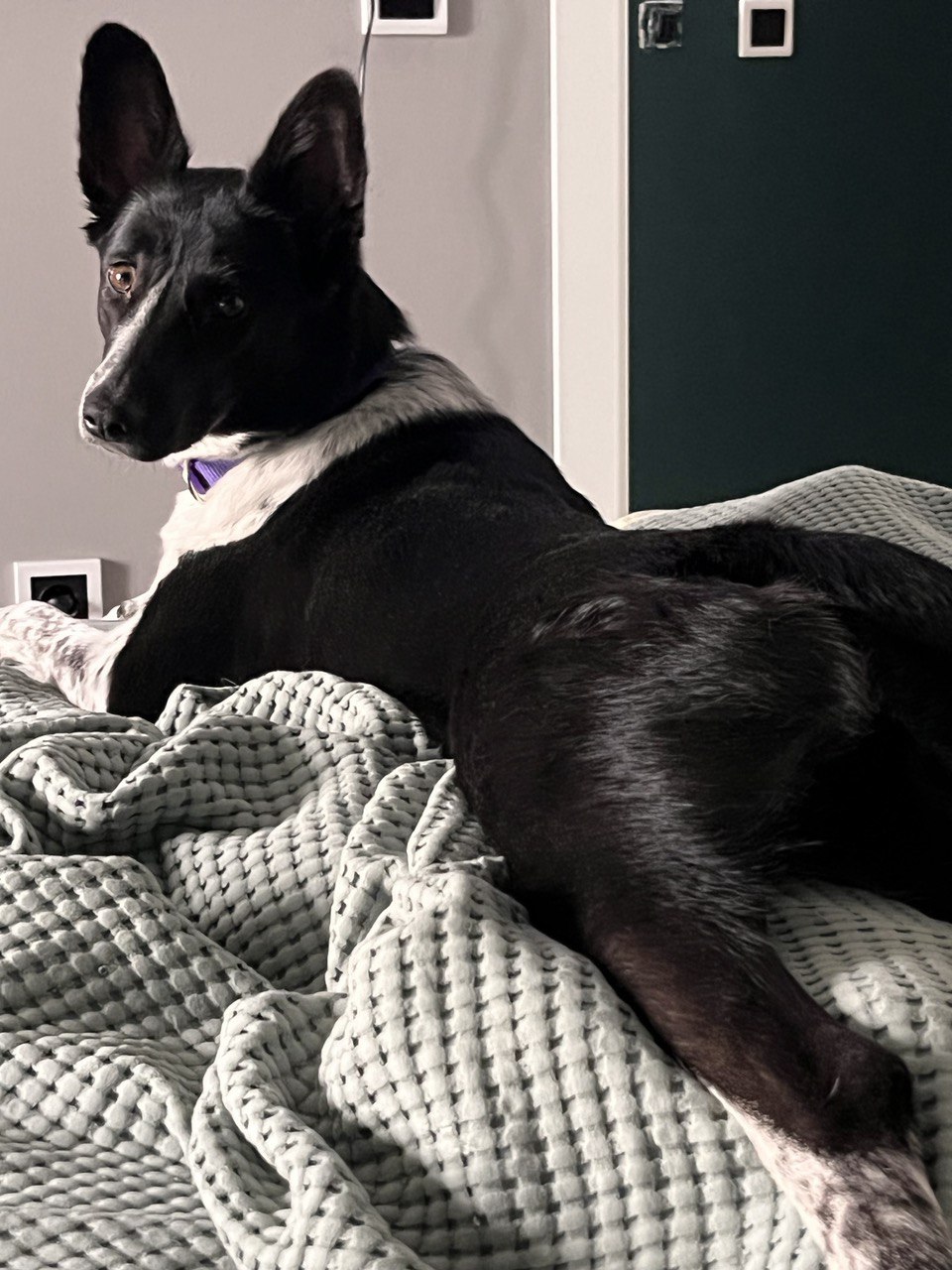
A prosthetic limb isn’t the right fit for every amputee dog — but for the ones who are good candidates, it can genuinely transform their quality of life.
When it comes to mobility options for amputee dogs, prosthetics generate a lot of hope — and a lot of confusion. From what I’ve seen following caregivers in the disabled dog community, the gap between what owners expect and what the process actually involves can be significant. If you’re asking whether a prosthetic limb could help your dog, here’s what’s worth understanding from the start: the candidacy criteria, the real costs, and what daily life actually looks like once the device is fitted.
What Exactly Is a Dog Prosthetic?
A prosthetic (sometimes called a prosthesis) is an artificial limb fitted to a dog’s residual limb — the remaining portion of the leg after amputation. Unlike a wheelchair, which supports the whole body from outside, a prosthetic replaces the missing structure directly and lets the dog bear weight through it naturally.
Dog prosthetics are custom-built, usually from lightweight materials like carbon fiber or thermoplastic, and fitted by a certified canine orthotist-prosthetist — someone who specializes in animal limb devices. This is not an off-the-shelf situation: a proper prosthetic is made from a mold or 3D scan of your dog’s specific residual limb.
- Prosthetics: replace a missing limb entirely — used after amputation
- Orthotics: support or stabilize an existing limb — used for conditions like nerve damage or joint instability
- These are often confused, but they serve very different purposes
- Both require custom fitting by a specialist
Is My Dog a Good Candidate?
This is the most important question, and the honest answer isn’t always yes — even when we desperately want it to be.
Location of amputation matters most. Prosthetics work best when there’s enough residual limb remaining to anchor the device. Dogs who had a limb removed from below the knee (called a distal limb amputation) or below the elbow are typically the strongest candidates. Dogs who had the entire leg removed at the hip or shoulder joint have little or nothing to attach a prosthetic to, and most specialists won’t attempt fitting in those cases.
Age and overall health play a big role. Younger, otherwise healthy dogs adapt more readily to prosthetics and can build the muscle needed to use them effectively. Senior dogs, or dogs managing significant health conditions alongside their amputation, may find the energy demands too high — at least initially.
The residual limb must be healthy. The skin over the stump needs to be fully healed, free of chronic irritation, and able to tolerate repeated contact with the socket. Residual limbs that are misshapen, chronically inflamed, or have nerve sensitivity at the end (phantom limb sensation — yes, dogs experience this too) can make prosthetic fitting painful rather than helpful.
Temperament counts. A dog who is anxious, reactive to touch, or has a low frustration tolerance will struggle with the fitting process and the adjustment period. A relaxed, food-motivated dog who tolerates handling tends to do much better.
- Amputation at or near the hip or shoulder joint
- Chronic skin breakdown or infection at the residual limb
- Significant concurrent health conditions (heart disease, advanced cancer, severe arthritis)
- Dog shows signs of pain or extreme stress during handling of the stump
- Residual limb is still actively healing or changing shape
What Does the Fitting Process Look Like?
The process starts with a consultation with a veterinary rehabilitation specialist or a certified canine prosthetist. They’ll assess the residual limb, take measurements, and often create a cast or 3D scan. From there, a custom socket is fabricated — the part that fits directly over the residual limb and bears the load.
The first fitting is a trial run, not a final product. Most dogs need multiple adjustments before the fit is truly right. In the weeks following amputation, the residual limb changes shape noticeably as post-surgical swelling subsides and muscle redistributes. This means the initial socket may need to be remade entirely within the first few months. Planning for that possibility from the start — emotionally and financially — matters.
According to VCA Hospitals, the rehabilitation process alongside prosthetic fitting is essential. Dogs need to learn how to load the new limb, shift their weight, and build supporting muscle. This doesn’t happen passively — it requires guided exercise, often with a canine rehab therapist working alongside the prosthetist.
From what owners in the amputee dog community consistently describe, the first few weeks involve a lot of short sessions, careful observation, and patience. You’re watching for skin irritation, monitoring the fit, and slowly extending wear time. It is a process, not a quick solution.
What Does Daily Life With a Prosthetic Look Like?
On good days, a well-fitted prosthetic can give a dog remarkable function: a more natural gait, better weight distribution across all four limbs, and the ability to navigate terrain that’s harder in a wheelchair — uneven surfaces, grass, gentle inclines.
On harder days, there are fit checks, skin inspections, and occasional days where the prosthetic stays off because the residual limb needs a break. Most dogs do not wear their prosthetics around the clock. A typical schedule is: on for activity and exercise, off for rest. Building that routine intentionally is part of making the prosthetic work long-term.
What to build into your daily routine:
- Daily skin checks: Inspect the residual limb every time you remove the prosthetic. Look for redness, pressure sores, or areas of friction.
- Cleaning: Both the residual limb and the socket interior need regular cleaning to prevent skin breakdown and infection.
- Gradual wear schedule: Start with 15–20 minutes at a time and build up slowly as your dog tolerates it without discomfort.
- Scheduled rechecks: Plan for follow-up fitting appointments, especially in the first 6 months when the limb is still changing shape.
- Work with a certified canine rehabilitation therapist alongside the prosthetic fitting
- Use high-value treats during every fitting and wear session
- Keep early sessions short and always end on a calm, positive note
- Track wear time and any skin changes in a simple daily log
- Don’t rush — pushing through adjustment too fast creates setbacks that cost you more time
How Much Do Dog Prosthetics Cost?
Dog prosthetics are a meaningful financial investment, and the upfront device cost is only part of the picture. Custom prosthetics typically range from $1,500 to $5,000 depending on the limb, complexity, materials, and provider. That figure doesn’t include the consultation visits, fitting appointments, rehabilitation therapy sessions, or the replacement device you’ll likely need as your dog grows or as the residual limb continues to change.
Most prosthetics have a functional lifespan of roughly one to three years before they need replacement — sooner for young or very active dogs whose residual limb volume shifts more significantly over time.
Pet insurance rarely covers prosthetics as a standard benefit, though some policies will contribute if the amputation itself was covered. It’s worth checking your policy language specifically rather than assuming either way.
For families where the cost is prohibitive, wheelchairs remain an excellent, well-proven alternative — and there is genuinely no quality-of-life hierarchy between a dog who uses a prosthetic and one who uses a cart. Many tripod dogs and fully paralyzed dogs thrive in wheelchair and mobility aids designed for amputee dogs.
How Does a Prosthetic Compare to a Wheelchair?
Prosthetics and wheelchairs are solving slightly different problems, and they are not in competition with each other.
A wheelchair is faster to obtain, less expensive upfront, and doesn’t require a specific amputation anatomy. It is also immediately functional — there is no weeks-long adjustment period while a dog learns to load a new limb. Many dogs thrive in carts long-term with no quality-of-life compromise. As covered in our amputation recovery guide, wheelchairs are often the first mobility solution tried after limb loss, and for many dogs, they become the permanent and wholly satisfying solution.
A prosthetic, when it fits well, distributes weight more naturally and may reduce compensatory strain on the remaining limbs over time. For a young, otherwise healthy dog with decades of activity ahead, that long-term biomechanical picture may favor a prosthetic where candidacy allows.
| Feature | Prosthetic | Wheelchair |
|---|---|---|
| Candidacy requirements | Strict — below-knee/elbow amputation needed | Flexible — most dogs qualify |
| Time to function | 4–8 weeks adjustment period | Immediate |
| Upfront cost | $1,500–$5,000+ | $200–$800 (most carts) |
| Terrain capability | Better on uneven ground | Excellent on flat/smooth surfaces |
| Wear schedule | Timed sessions; not 24/7 | Can be worn for extended periods |
| Ongoing maintenance | Socket refits, replacements | Padding checks, wheel adjustments |
 disableddogcare.com
For dogs also managing conditions that affect other limbs — such as degenerative myelopathy or severe arthritis — the mobility picture becomes more complex, and specialist input is especially important. You can read more about how mobility needs evolve over time in our degenerative myelopathy wheelchair timing guide.
Finding the Right Specialist
Not every vet clinic offers prosthetic fitting. You’re looking for either a board-certified veterinary surgeon with prosthetic experience, or more commonly, a certified canine orthotist-prosthetist working alongside a veterinary rehabilitation team. The American College of Veterinary Sports Medicine and Rehabilitation maintains a directory of certified rehabilitation practitioners who can point you toward appropriate resources in your area.
When you contact a potential provider, it’s reasonable to ask directly: how many dog prosthetics have they fitted, what follow-up care is included in the cost, and what their protocol is if the device causes skin irritation. A provider who welcomes those questions is a good sign.
- Do not purchase uncertified, off-the-shelf prosthetic devices — improper fit causes serious injury to the residual limb
- Never leave a prosthetic on an unsupervised dog until the fit has been fully confirmed by your specialist
- Don’t skip follow-up appointments — the residual limb changes significantly in the first months after surgery
- If you see any open sores or persistent redness, stop use immediately and contact your vet
If a prosthetic turns out not to be right for your dog, that’s not a failure — it’s simply useful information that points you toward the solution that will actually work. Your dog can live a full, joyful, mobile life in a wheelchair, and there is no hierarchy of mobility tools. The best tool is the one your dog uses comfortably and confidently.
You know your dog better than anyone. That is not a small thing — it’s everything.
Related Reading
- Life After Amputation: How to Care for Your Tripod Dog
- Phantom Pain and Nerve Sensitivity in Tripod Dogs
- Wheelchair and Mobility Aids for Amputee Dogs
Frequently Asked Questions
Are prosthetics right for every amputee dog?
No — prosthetics work best for dogs who lost a limb below the knee or elbow, are otherwise healthy, and have a well-healed residual limb. Dogs missing a full leg from the hip or shoulder are rarely good candidates, as there is not enough remaining limb to anchor the device. Your vet or a veterinary rehabilitation specialist can assess whether your dog meets the criteria.
How long does it take a dog to adjust to a prosthetic?
Most dogs need 4–8 weeks of consistent, short daily sessions before they walk confidently with a prosthesis. Some adapt faster, particularly younger dogs with good temperament for handling. Working with a certified canine rehabilitation therapist alongside the fitting process dramatically shortens the learning curve.
How much do dog prosthetics cost?
Custom dog prosthetics typically range from $1,500 to $5,000 depending on the limb, complexity, and provider. That figure does not include fitting appointments, rehabilitation therapy, or eventual replacement — most prosthetics last one to three years before needing to be remade as the residual limb changes.
Can my dog still use a wheelchair if the prosthetic doesn’t work out?
Absolutely. A wheelchair is a reliable, well-tested alternative, and many dogs thrive in carts long-term with no compromise to their quality of life. A prosthetic and a wheelchair are not mutually exclusive — some owners keep both for different situations and terrains.
This guide is based on real experience and should be used alongside professional veterinary care. Always consult your veterinarian before starting any new treatment or making changes to your dog’s care plan.