Phantom Pain in Tripod Dogs: Signs & Relief
How to spot phantom pain and nerve sensitivity in tripod dogs after amputation — and what you can do at home to help your dog feel more comfortable.
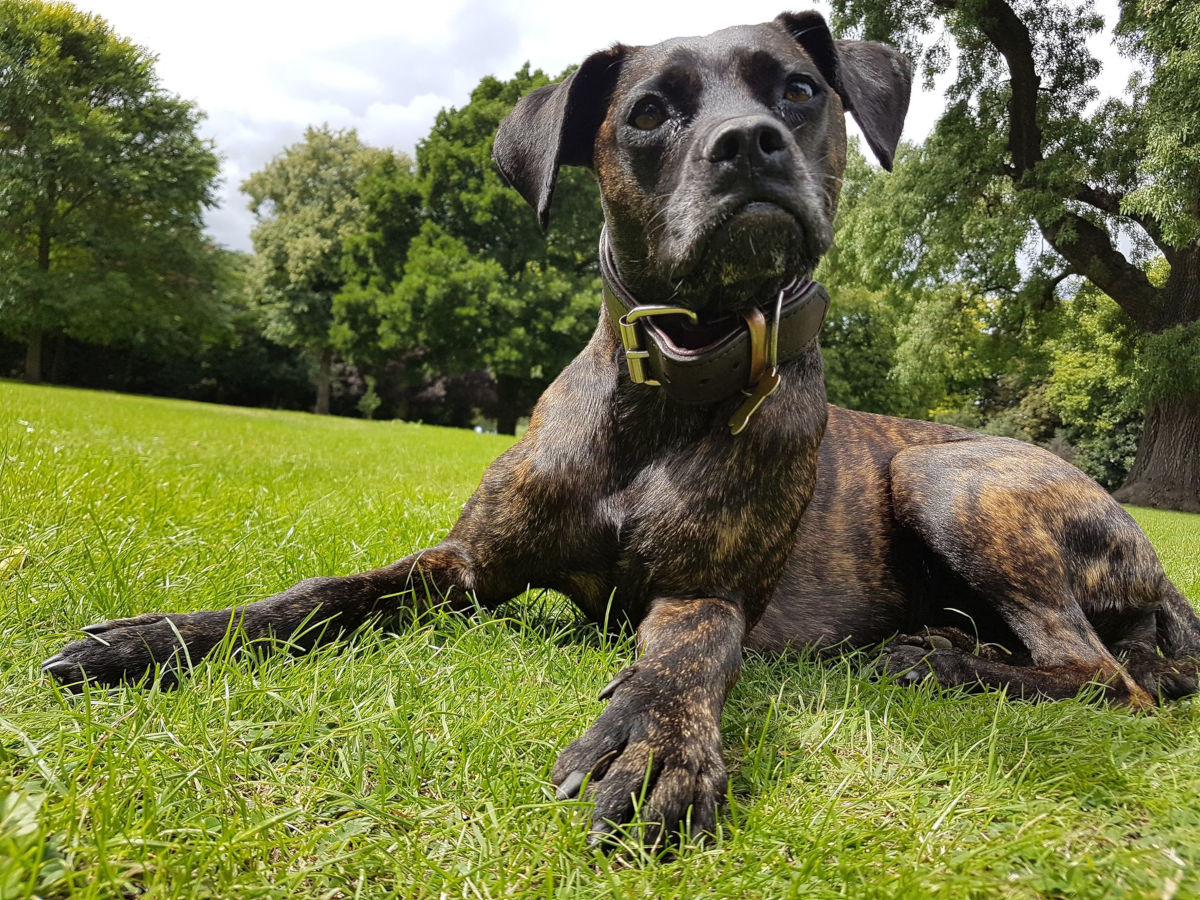
Phantom pain is real, it’s underrecognized in dogs, and knowing the signs can make a significant difference in your tripod dog’s quality of life.
When a dog loses a limb, most of the caregiving conversation centers on the incision, the recovery timeline, and learning to balance on three legs. All of that is important. But there’s another piece of the puzzle that often goes undiscussed, and that’s what happens in the nervous system after the limb is gone.
Many veterinary neurologists believe dogs can experience phantom sensations: the brain continues to “hear” signals from nerves that no longer have a limb attached. The result can range from mild tingling to what appears to be genuine, distressing pain — in a leg that isn’t there anymore.
From what I’ve seen and heard from other owners in the disabled dog community, this is one of the most confusing and heartbreaking things to navigate. Your dog seems to be recovering well on the outside, and then suddenly they’re licking at the stump, crying at night, or flinching when nothing is touching them.
If that sounds familiar, this guide is for you.
What Is Phantom Pain, and Does It Really Happen in Dogs?
Phantom pain in humans is well-documented: after amputation, the nervous system can still generate pain signals associated with the missing limb. In dogs, we can’t ask them what they’re feeling, but veterinary evidence and behavioral observations strongly suggest something similar occurs.
The nerves that ran through the amputated limb don’t simply go quiet when the limb is removed. The cut ends of those nerves, called neuromas, can become hypersensitive. They may fire randomly or in response to touch, temperature changes, or stress.
This is different from surgical site pain, which typically improves steadily as healing progresses. Phantom or nerve-related discomfort can appear even after the incision has fully closed, sometimes weeks later, and it doesn’t always follow a predictable timeline.
Because this is nerve pain rather than tissue pain, the treatment conversation ends up looking a lot like the one in disc disease, and CBD comes up constantly in both. CBD for IVDD dogs goes through what the evidence actually supports and the safety caveats worth knowing — the neuropathic-pain question there is close enough to this one to be worth reading.
How Do I Recognize It in My Dog?
This is where caregivers are the most important tool in the diagnostic kit. You know your dog’s baseline better than anyone.
- Sudden licking, chewing, or scratching at the stump area or the skin above it
- Flinching or snapping when the amputation site (or nearby areas) are touched
- Vocalizing (whimpering, yelping) without an obvious trigger
- Disrupted sleep or restlessness at night
- Withdrawal from play, cuddles, or activities they previously enjoyed
- Muscles near the stump twitching or trembling
It’s worth noting that some of these signs can also indicate a surgical complication like infection, a seroma (fluid pocket), or a suture issue, so if you’re seeing them in the early weeks post-op, your vet should examine the site first to rule those out. You can read more about the broader recovery picture in our guide to amputation recovery.
The Difference Between Adjustment Behavior and Pain
Not every quirk your tripod dog develops after surgery is pain-related. Some dogs become more vocal as they figure out their new center of gravity. Some are clingy and anxious for a few weeks. These things tend to resolve and improve with time and encouragement.
What looks more like phantom pain is behavior that is episodic (it comes and goes) or localized (it’s specifically connected to the amputation site or the space where the limb used to be). A dog who suddenly startles and looks at empty air near where their leg was, then shakes it off — that’s a dog experiencing something neurological.
What Can You Actually Do at Home?
The honest answer is that home management works best as a complement to veterinary care, not a substitute. That said, there is a lot you can do.
- Gentle massage around (not directly on) the stump can help settle nerve signals. Ask your vet or a canine rehab therapist to show you the right technique first.
- Warmth near the amputation site (a warm, not hot, towel or low-heat pad) may help ease nerve discomfort the same way it does for humans
- Reduce stress triggers: a calm, predictable environment matters more than people realize during nerve healing
- Protect the stump area from accidental bumps during daily activity; even minor contact can trigger a flare
One thing many tripod dog owners underestimate: flooring matters. Dogs who are slipping and scrambling on hard floors are putting constant stress on their remaining limbs and can startle themselves into painful movements. Our guide on flooring and home safety for tripod dogs covers this in detail.
Medical Management: What Your Vet Might Recommend
Gabapentin: This is one of the most commonly prescribed medications for nerve-related pain in dogs. It works on the nervous system rather than on inflammation, which is why it’s often preferred over NSAIDs for phantom-type pain. According to VCA Hospitals, gabapentin is widely used in veterinary medicine for neuropathic pain management.
Amantadine: Sometimes added to gabapentin, this medication is thought to help with a phenomenon called wind-up pain, where the nervous system becomes increasingly sensitized over time.
Rehabilitation therapy: Certified canine rehabilitation therapists (CCRTs) are genuinely skilled at working with post-amputation nerve sensitivity. Techniques like laser therapy, TENS (transcutaneous electrical nerve stimulation), and targeted massage are used to help calm overactive nerve tissue.
- Phantom pain can be missed if you only describe “discomfort.” Be specific: tell your vet where the reaction is, when it happens, and whether it’s episodic.
- Ask whether gabapentin is appropriate to trial, especially if the discomfort seems to persist past initial healing
- Inquire about a referral to a certified canine rehabilitation therapist if standard pain management isn’t enough
When Should I Be More Concerned?
Most nerve sensitivity after amputation does improve with time and appropriate management. But there are situations that need prompt veterinary attention.
- Sudden, severe behavioral changes, especially new aggression toward people
- Any opening, discharge, swelling, or unusual appearance at the stump site
- Your dog stops eating or can’t settle for more than a day or two
- Signs of self-trauma: raw skin, bleeding from licking or chewing the stump area
For dogs managing more complex neurological involvement alongside their amputation, our broader resource on neurological conditions in dogs may also be helpful.
Building a Long-Term Comfort Routine
Many tripod dogs with phantom pain or nerve sensitivity go on to live full, happy, active lives, especially when their owners catch the signs early and work closely with a vet. The goal isn’t to eliminate every sensation (that’s not possible), but to keep discomfort from interfering with your dog’s enjoyment of daily life.
Check in with your dog regularly, not just physically but behaviorally. Are they sleeping well? Engaging with you? Moving around without distress? Those baseline observations are your best early-warning system.
Building strength in the remaining limbs through appropriate exercise can also help by giving the nervous system positive, productive input. Our tripod dog exercises guide walks through how to do that safely.
The nervous system heals, slowly, on its own timeline, in its own way. But with the right support, most dogs find their way through it.
Caring for a tripod dog through phantom pain is one of those challenges that can feel invisible to the outside world, because your dog looks fine on the outside. You’re not imagining it, and your instincts are worth listening to. Keep advocating for your dog, stay in close communication with your vet, and know that the discomfort you’re watching them work through is something that genuinely can be managed.
Related reading
- Best Flooring & Home Safety for Tripod Dogs
- Life After Amputation: How to Care for Your Tripod Dog
- Tripod Dog Exercises: Building Strength and Confidence After Amputation
- Exercise After Dog Amputation: A Safe Plan
Frequently Asked Questions
Can dogs actually feel phantom pain after amputation?
Yes — many veterinary neurologists believe dogs can experience phantom sensations after limb loss, just as humans do. The nerves that once served the missing limb can continue sending signals to the brain, sometimes causing discomfort or strange sensations in the area where the limb used to be.
How do I know if my tripod dog is in pain versus just adjusting?
Look for behavioral changes: sudden aggression when the stump area is touched, excessive licking or chewing at the surgical site, disturbed sleep, vocalizing for no clear reason, or a general withdrawal from things they used to enjoy. Any of these warrant a vet conversation.
How long does phantom pain or nerve sensitivity last in dogs?
It varies widely. For some dogs, sensitivity resolves within a few weeks as the nerves settle. For others, it can persist for months. A small number of dogs may have ongoing discomfort that requires long-term management, which is why staying in close contact with your vet matters.
Are there medications that help with phantom pain in dogs?
Yes. Gabapentin is one of the most commonly prescribed medications for nerve-related pain in dogs, including post-amputation discomfort. Your vet may also consider other pain management options depending on your dog’s overall health. Never adjust or add medications without veterinary guidance.
This guide is based on real experience and should be used alongside professional veterinary care. Always consult your veterinarian before starting any new treatment or making changes to your dog’s care plan.