Tripod Dog Pain Management: Post-Op to Long-Term Joints
How to spot phantom pain, what vets prescribe post-amputation, and protecting remaining joints from overuse arthritis in three-legged dogs.
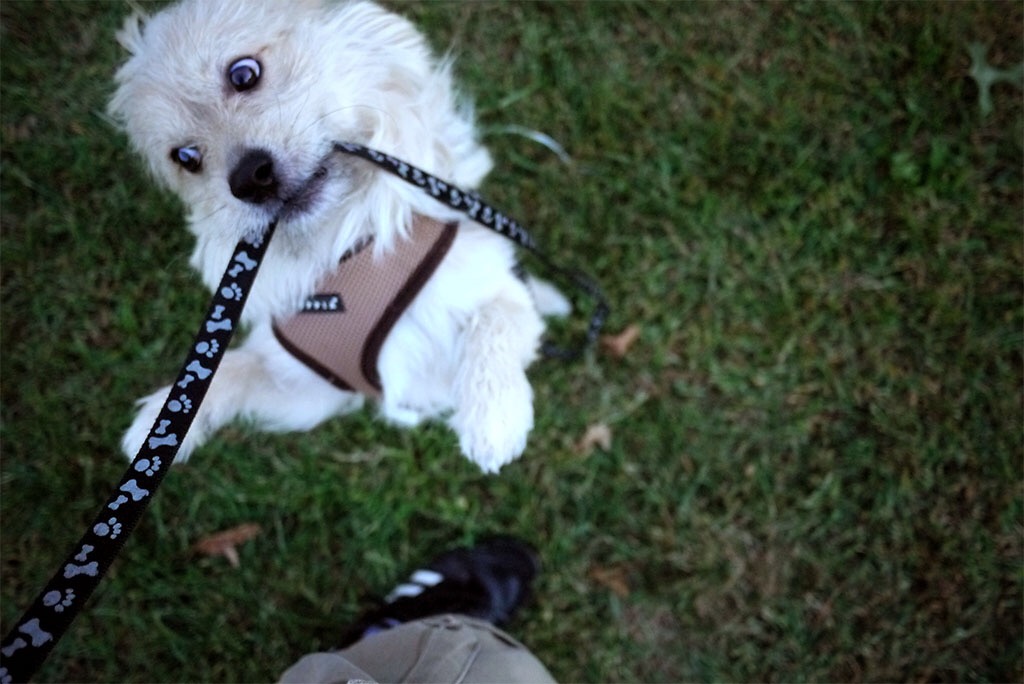
Managing pain well after amputation is the single biggest thing you can do to set your tripod dog up for a full, active life.
For tripod dogs, there are actually two separate pain challenges: the acute pain right after surgery, and the longer-term compensatory strain that builds as your dog redistributes weight across three legs. Both matter, and they require different approaches. From what I’ve seen working through Heidi’s IVDD recovery and from talking with owners in the tripod dog community, the second phase is the one that catches people off guard.
If you’re in those first raw days after surgery, take a breath. You’re doing the right thing by researching this. Let me walk you through what to expect and what actually helps.
How Do I Know If My Tripod Dog Is in Pain?
Dogs are instinctively good at masking discomfort, so you often have to read between the lines. The most reliable signs of pain in a tripod dog are panting at rest, restlessness, loss of appetite, and behavioral changes like withdrawal or irritability — none of which are specific to the surgical site.
The signs shift depending on where you are in the recovery timeline, so it helps to know what you’re looking for at each stage.
Acute Post-Surgical Pain Signs (First 1–2 Weeks)
- Panting at rest: One of the most reliable pain signals in dogs, especially when they’re not hot or anxious
- Restlessness: Unable to settle, keeps shifting positions even when clearly tired
- Loss of appetite: Skipping meals or eating significantly less than usual
- Guarding the surgical site: Hunching, flinching, or pulling away when you approach the incision area
- Vocalization: Whimpering, yelping, or growling when touched or repositioned
Longer-Term Compensatory Pain Signs (Weeks to Months Out)
- Stiffness after rest: Takes longer than usual to “warm up,” especially first thing in the morning
- Reluctance to climb stairs or jump: Things they used to do without hesitation
- Shifting weight frequently: Sitting down more often mid-walk, or leaning to one side
- Licking or chewing at joints: Particularly the remaining front or back leg now bearing extra load
- Behavioral changes: Becoming withdrawn, irritable, or noticeably less playful than their normal self
- Sudden yelping or crying out for no apparent reason
- Swelling, heat, or discharge at the surgical site
- Complete refusal to bear any weight, or sudden collapse
- Pale gums, rapid breathing, or obvious distress
The Two Phases of Tripod Dog Pain Management
Phase 1: Post-Surgical Pain (Days 1–14)
Your vet will almost certainly send your dog home with prescription pain medication. Most dogs come home on a combination of an NSAID (non-steroidal anti-inflammatory drug — basically prescription-strength anti-inflammatory medication) like carprofen or meloxicam, and often gabapentin, which targets nerve pain specifically.
Give every dose on schedule. It can be tempting to skip a dose when your dog seems comfortable, but pain medications work best when you stay ahead of the pain rather than trying to catch up once it spikes. Missing doses in the first week is one of the most common caregiver mistakes, and it makes the whole recovery harder.
A few things worth knowing during this phase:
- Never give human pain relievers. Ibuprofen, acetaminophen (Tylenol), and aspirin are all toxic to dogs. Even a small dose can cause serious organ damage.
- Give NSAIDs with food. They can cause stomach upset and even GI ulceration on an empty stomach.
- Don’t stop gabapentin abruptly. If your vet decides to wean your dog off it, they’ll typically taper the dose down gradually.
- Watch for GI side effects. Vomiting, diarrhea, or dark stools while on NSAIDs should prompt a call to your vet.
According to VCA Hospitals, multimodal pain management — using more than one medication that works through different pathways — is generally more effective than relying on a single drug. So if your dog seems uncomfortable even on their current regimen, ask your vet about adding something rather than simply increasing one drug.
Phase 2: Compensatory and Chronic Pain (Weeks to Years)
This is the phase that surprises most people. The surgery site heals. Your dog is trotting around on three legs looking like a champ. You think you’re through the worst of it.
Then six months later, you notice them limping on one of their good legs.
Tripod dogs carry a disproportionate share of their body weight on the remaining limbs. Over time, that asymmetrical load puts meaningful stress on remaining joints — particularly the shoulder in dogs who’ve lost a front leg, and the hip, lower back, and contralateral (opposite-side) knee in dogs who’ve lost a hind leg. This is sometimes called compensatory pain or overuse strain, and it’s a well-recognized long-term concern in tripod dogs.
The joint wear that builds up over years isn’t so different from early arthritis, and many of the same management strategies apply. The arthritis management guides on this site go into more detail on what that longer-term joint care can look like.
- Keep your dog at a lean, healthy weight — every extra pound multiplies joint stress across three legs instead of four
- Start omega-3 fatty acids and glucosamine early; both are widely recommended for joint support
- Build in regular, gentle exercise to maintain muscle mass — strong muscles protect joints better than any supplement
- Schedule a vet check every 6 months to catch joint changes before they become serious pain
What Is Phantom Limb Pain in Dogs — and How Do You Recognize It?
Phantom limb pain in dogs is real, though it’s genuinely difficult to confirm because dogs can’t describe what they’re feeling. Phantom limb pain refers to pain or discomfort perceived in a limb that is no longer there, caused by nerve signals that persist after amputation. In dogs, it’s generally recognized as a possibility based on what we know from human medicine and from veterinary neurology.
Signs that may suggest phantom limb sensation include:
- Chewing or licking repeatedly at the amputation stump with no visible wound or irritation
- Sudden flinching or yelping with no obvious trigger nearby
- Acting confused or distressed seemingly out of nowhere, particularly in the early weeks
- Air-scratching — moving the stump as though trying to scratch a location that no longer exists
Gabapentin is the most commonly used medication for nerve-related and phantom pain in dogs. Some veterinary neurologists also recommend amantadine, which works on a different pain receptor pathway (NMDA receptors) and is often added when gabapentin alone isn’t fully effective. If you suspect your dog might be dealing with phantom pain, raise it with your vet directly. It won’t always be on their radar if their focus has been on the surgical site and standard recovery.
- Hydrotherapy: Swimming or underwater treadmill work reduces joint load while building the muscle mass that protects remaining joints
- Laser therapy: Low-level laser (photobiomodulation) is widely used to reduce inflammation and support tissue healing in post-surgical patients
- Acupuncture: Has genuine evidence for chronic musculoskeletal pain in dogs — the AKC has a useful overview of how it works in veterinary settings
- Massage and stretching: Canine rehabilitation therapists can teach you simple techniques that meaningfully help with stiffness and compensatory tension
Medications vs. Supplements: What’s the Difference?
This distinction matters, and it’s worth being direct about it: supplements support joint health over time but do not replace pain medication when your dog is actually hurting. Glucosamine, chondroitin, and omega-3 fatty acids are genuinely useful for long-term joint maintenance, but they won’t touch acute pain.
Think of it this way: supplements are what you give when things are going well, to help keep them going well. Medications are what you reach for when something hurts right now.
| Situation | What to Use |
|---|---|
| Acute post-surgical pain | Prescription NSAIDs and/or gabapentin from your vet |
| Phantom or nerve pain | Gabapentin, possibly amantadine — vet-prescribed |
| Chronic joint strain prevention | Omega-3s, glucosamine/chondroitin, weight management |
| Confirmed long-term joint pain | Combination: medication AND supplements AND exercise |
 disableddogcare.com
If your tripod dog is recovering well and you want to be proactive about their remaining joints, starting a quality omega-3 supplement early is one of the most consistently recommended steps from canine rehabilitation therapists. It won’t reverse joint damage, but it may help slow the inflammatory process that leads to it.
Should I See a Canine Rehabilitation Therapist?
For tripod dogs, this is one of the most valuable investments you can make — and it’s underused. A certified canine rehabilitation therapist (CCRT) can assess how your dog is compensating, identify muscle imbalances before they cause pain, design an exercise program that builds strength without overloading vulnerable joints, and teach you hands-on techniques like massage and passive range-of-motion exercises to do at home.
From what rehab therapists consistently describe, the tripod dogs who fare best long-term are the ones who started targeted rehab within the first few months after amputation, not after joint problems were already visible. If your vet doesn’t bring it up, ask for a referral.
You can also start some basic mobility and strength exercises at home once your vet clears your dog for activity.
- Your vet has cleared your dog for activity (usually 2–3 weeks post-op)
- Your dog is showing morning stiffness or reluctance to exercise
- You want a baseline assessment before joint changes develop
- Your dog seems to be overusing one particular remaining limb
A Note on Quality of Life
One thing worth saying clearly, especially if you’re in the early days after amputation: dogs adapt to three legs far better than we ever expect. The pain management phase is hard, and the worry is real. But from what owners in the tripod dog community consistently describe, most dogs reach a point where they are genuinely, visibly happy — running, playing, doing their whole lives with enthusiasm.
Your job right now is to get through the pain management piece carefully so their body heals well and their joints stay protected for the long haul. You’re building the foundation for years of good living. That matters enormously.
Related Reading
- Life After Amputation: How to Care for Your Tripod Dog
- Phantom Pain and Nerve Sensitivity in Tripod Dogs
- Tripod Dog Mobility and Strength Exercises
Frequently Asked Questions
How do I know if my tripod dog is in pain?
Look for changes in behavior like reluctance to move, decreased appetite, panting at rest, or guarding the surgical site. Some dogs become withdrawn or snappy — both are signs something hurts. When in doubt, call your vet.
How long does pain last after dog leg amputation?
Acute surgical pain typically peaks in the first 3–5 days and improves significantly by 2 weeks. However, some dogs develop chronic compensatory pain in remaining joints over months or years, which needs ongoing management.
Can tripod dogs get phantom limb pain?
Yes, though it’s hard to diagnose in dogs. Signs include chewing or licking at the amputation site, flinching when nothing is touching them, or sudden yelping for no obvious reason. Your vet may try medications like gabapentin or amantadine to address nerve pain.
What pain medications are commonly used after dog amputation?
Vets typically send dogs home with an NSAID (like carprofen or meloxicam) and sometimes gabapentin for nerve pain. Never give human pain relievers like ibuprofen or acetaminophen — both are toxic to dogs even in small doses.
This guide is based on real experience and should be used alongside professional veterinary care. Always consult your veterinarian before starting any new treatment or making changes to your dog’s care plan.