Must Read
Best Emergency Vet Hospital? Why Wait Time Matters Most
In a real emergency, the 'best' vet hospital is the one that can see your dog soonest. Here's the call-around strategy I'd use if Heidi went down today.
Supporting dogs through amputation recovery - adaptation strategies, lifestyle modifications, and care
This section is for owners whose dog has lost a leg, or may soon. The causes vary: bone cancer, a crush injury, a fracture that never healed, or nerve damage that left a limb useless. The questions change as you move through it.
Before surgery, the choice is usually between amputation, limb-sparing, or more time. You’ll want to know what to ask the surgeon and whether a second opinion is worth the delay. In the first six weeks afterward, the work is incision care, pain control, and helping your dog find a new balance on three legs. After that, the focus shifts to protecting the joints that now carry the extra load. That means weight targets, strength work, and a home that doesn’t punish a slip.
Good places to begin:
Most three-legged dogs adapt faster than their owners expect. These guides cover what that adjustment looks like week to week.
In a real emergency, the 'best' vet hospital is the one that can see your dog soonest. Here's the call-around strategy I'd use if Heidi went down today.
Learn how to safely progress your dog's exercise after amputation, from the first post-op days through building long-term strength as a tripod dog.
How to support your tripod dog's emotional wellbeing after amputation — practical tips for reducing anxiety, building confidence, and spotting depression.
How to spot phantom pain and nerve sensitivity in tripod dogs after amputation — and what you can do at home to help your dog feel more comfortable.
Learn which flooring types and home modifications best support tripod dogs after amputation — practical safety tips from a disabled dog caregiver.
Dog prosthetics can restore natural gait after amputation — but only for the right candidates. Here's what the fitting process, daily care, and real costs look…
How to spot phantom pain, what vets prescribe post-amputation, and protecting remaining joints from overuse arthritis in three-legged dogs.
Most tripod dogs never need a wheelchair — but knowing when compensatory strain crosses a line could protect your dog's remaining joints for years.
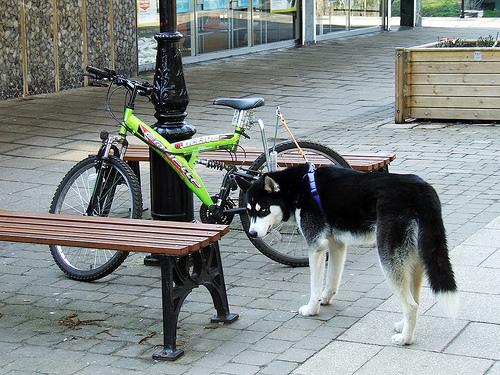
Every extra pound loads three joints doing the work of four. Here's how to find your tripod dog's ideal weight, read a BCS score, and choose the right…
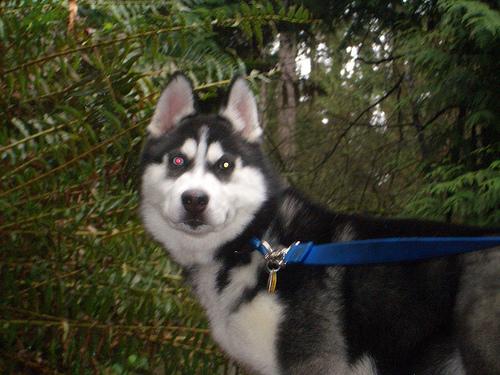
Safe core and balance exercises for three-legged dogs after amputation — what to start in week 2, what to build to, and what overdoing it looks like.
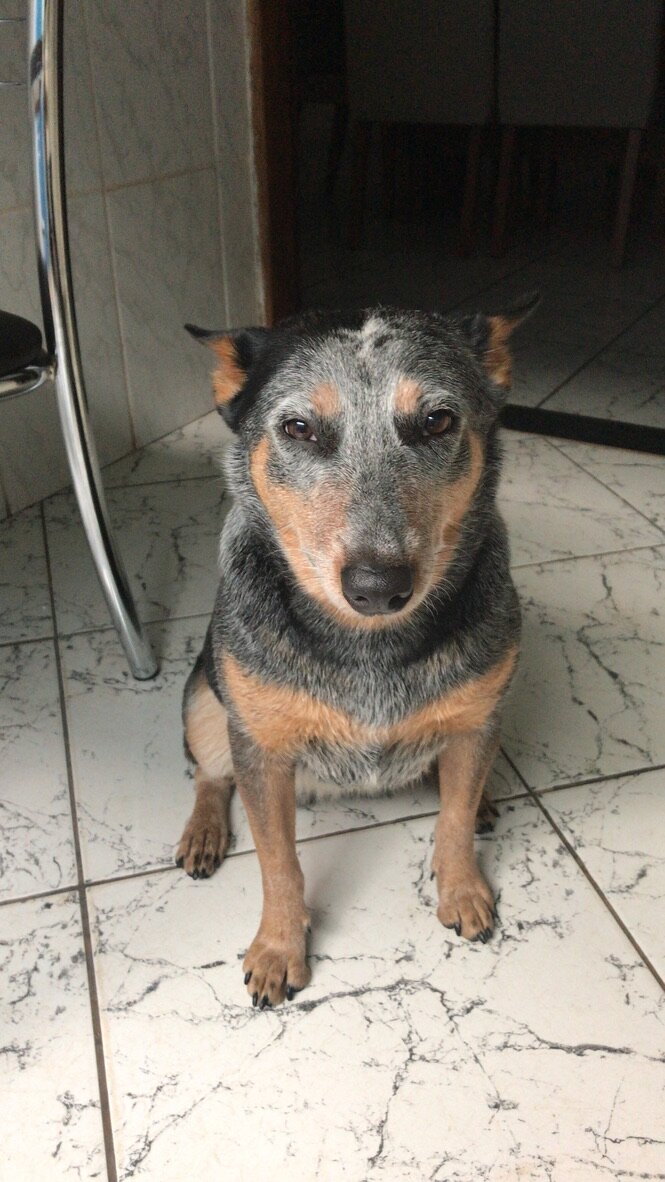
Caring for a tripod dog after amputation: what the first 72 hours look like, how to protect remaining joints, and what long-term three-legged life really involves.