Must Read
Best Emergency Vet Hospital? Why Wait Time Matters Most
In a real emergency, the 'best' vet hospital is the one that can see your dog soonest. Here's the call-around strategy I'd use if Heidi went down today.
Supporting dogs through amputation recovery - adaptation strategies, lifestyle modifications, and care
This section is for owners whose dog has lost a leg, or may soon. The causes vary: bone cancer, a crush injury, a fracture that never healed, or nerve damage that left a limb useless. The questions change as you move through it.
Before surgery, the choice is usually between amputation, limb-sparing, or more time. You’ll want to know what to ask the surgeon and whether a second opinion is worth the delay. In the first six weeks afterward, the work is incision care, pain control, and helping your dog find a new balance on three legs. After that, the focus shifts to protecting the joints that now carry the extra load. That means weight targets, strength work, and a home that doesn’t punish a slip.
Good places to begin:
Most three-legged dogs adapt faster than their owners expect. These guides cover what that adjustment looks like week to week.
In a real emergency, the 'best' vet hospital is the one that can see your dog soonest. Here's the call-around strategy I'd use if Heidi went down today.
A dog degloving injury looks terrifying — exposed bone, missing skin. Here's what actually happens next, and what owners need to know in the first hours.
When a dog's broken leg stops healing despite surgery and weeks of care, amputation enters the conversation. What owners need to know when the repair isn't…
Your dog was hit by a car and the vet says the leg can't be saved. Here's what amputation actually means for a dog's recovery, quality of life, and your next…
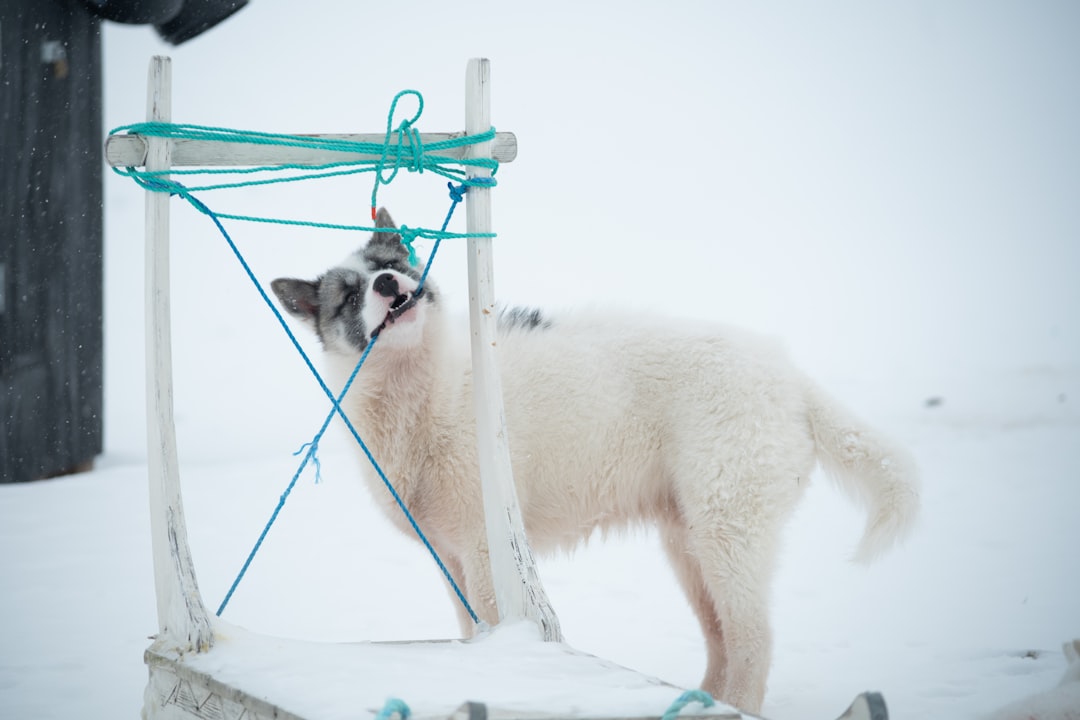
Facing a possible amputation for your dog? Here's what conditions lead to it, what questions to ask your vet, and how other owners have navigated the decision.
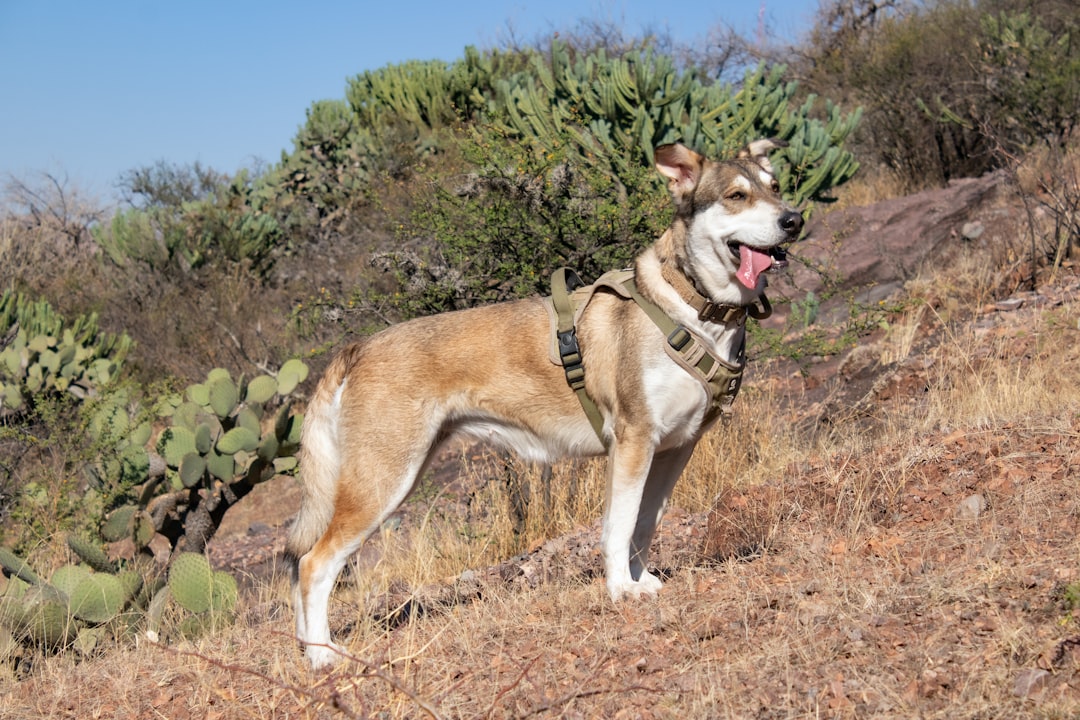
What owners wish they'd known about rebuilding life after dog amputation — realistic timelines, what changes, what surprises you, and how most tripod dogs…
Bladder and bowel changes after dog amputation catch many owners off guard. Here's what causes them, how long they last, and the daily routine that helps.
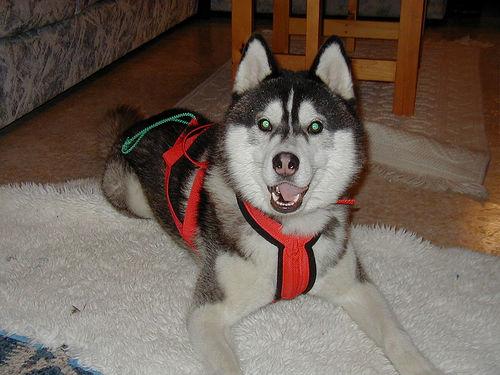
The questions every owner has before their dog's amputation — answered honestly by someone who's talked to dozens of tripod families. Real prep, real talk.
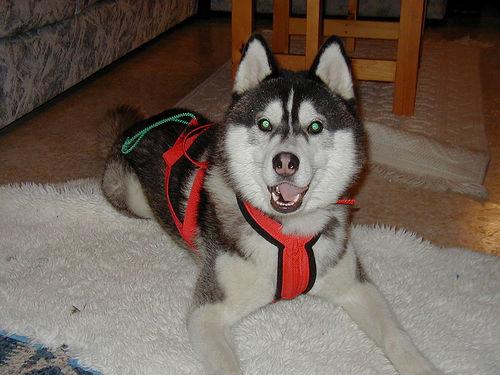
Day-by-day amputation recovery expectations — incision changes, mobility milestones, sleep & eating patterns, and when to call the vet. Real caregiver detail.
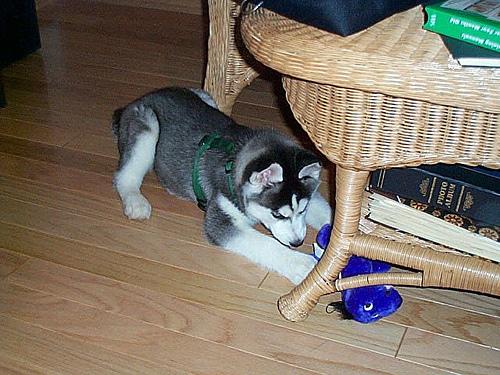
Many tripod dogs bounce back faster with water therapy — what I've learned from owners and rehab vets about when to start, what helps, and what to avoid.
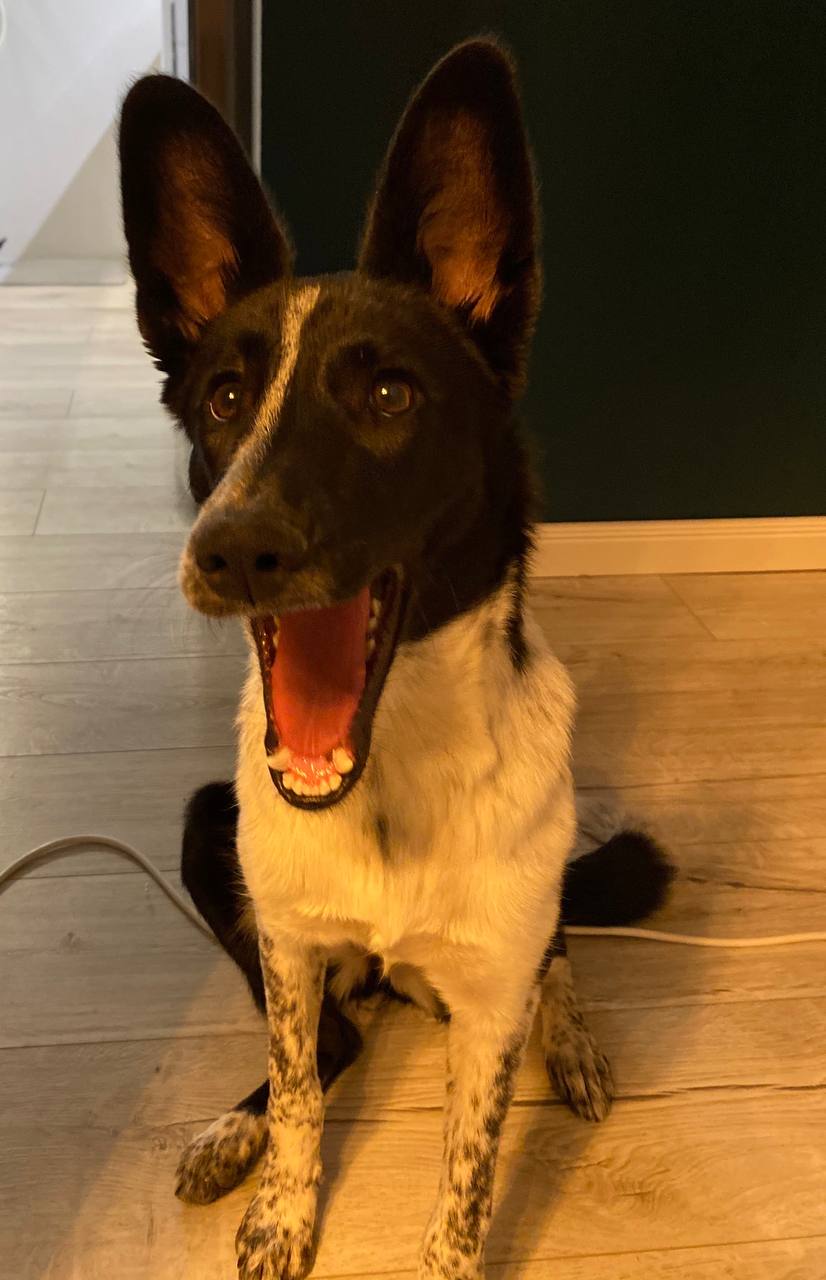
Stump swelling, phantom pain, and incision care after dog amputation — what I've learned from the disabled dog community and rehab vets.