Tripod Dog Nutrition: Weight Targets That Protect 3 Legs
Every extra pound loads three joints doing the work of four. Here's how to find your tripod dog's ideal weight, read a BCS score, and choose the right…
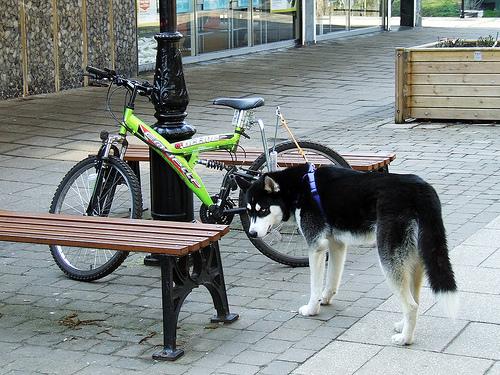
Keeping your tripod dog lean and well-nourished isn’t vanity. It’s one of the most powerful things you can do to protect their remaining three legs.
Nutrition and weight management don’t usually make it into the discharge paperwork after amputation surgery. The focus is understandably on wound care, pain management, and learning how to help your dog move. But a few months down the road, your dog’s weight quietly becomes one of the most consequential variables in their long-term comfort. This is the guide I wish someone had handed me at discharge.
Why Does Weight Matter So Much More for Three-Legged Dogs?
A healthy four-legged dog distributes body weight across all four limbs. When one limb is removed, the remaining three — especially the front legs and the spine — absorb that load unevenly. VCA Hospitals notes that tripod dogs commonly develop compensatory issues over time, including joint strain and soft tissue fatigue, particularly in the opposite front limb.
What that means in real life: every extra pound your dog carries is amplified. A five-pound weight gain on a 40-pound tripod dog isn’t “a little chubby.” It’s measurably more strain on already-overworked joints, every single step, every single day.
From what I’ve seen and heard from owners in the tripod dog community, this is the issue that sneaks up on you. The dog looks fine, they’re moving around reasonably well, and then a rehab vet flags that they’ve added a pound or two and the dog’s gait has already started compensating in ways that stress the spine. Catching it early makes a real difference.
I’ve written about how physical therapy supports long-term mobility in my guide on tripod dog mobility and strength exercises, but none of that work sticks if the weight isn’t managed alongside it.
- You can’t easily feel their ribs with light fingertip pressure
- Their waist is not visible when viewed from above
- They’re reluctant to get up or tiring faster on walks
- You notice increased panting or labored breathing during low-effort activity
- Their gait looks more labored or they favor one side more than usual
How Do I Figure Out the Right Weight for My Dog?
Your vet should give you a target weight after amputation — but if they haven’t, ask specifically. Don’t just rely on the bag of food. Breed charts are averages for four-legged dogs, and your tripod dog’s ideal weight may be at the lower end of that range, or even slightly below it depending on their build and which limb was removed.
The most reliable at-home tool is the Body Condition Score (BCS) — a 9-point scale that assesses fat coverage over ribs, waist, and spine. A score of 4–5 out of 9 is ideal for most dogs. You can learn to assess it yourself with a quick visual and hands-on check every few weeks.
What a BCS Check Looks Like
- Ribs: You should feel them easily under light pressure, like knuckles under a thin blanket. Not jutting out, not buried under a layer of fat.
- Waist: Looking down from above, there should be a visible tuck behind the rib cage.
- Abdomen: From the side, the belly should tuck up slightly — not hang level or droop.
If your dog scores a 6 or above, it’s time to talk to your vet about a structured calorie reduction plan. A score of 7 or higher warrants a conversation about whether a prescription weight management diet makes sense.
- Reduce daily intake by 10–15% and reassess in 2–3 weeks
- Weigh food with a kitchen scale — measuring cups are notoriously inaccurate by 20–30%
- Account for ALL calories including treats, toppers, pill pockets, and training rewards
- Swap high-calorie treats for low-calorie alternatives like plain green beans, carrot slices, or blueberries
What Should a Tripod Dog Actually Eat?
There’s no single “tripod dog diet,” but there are consistent principles that rehab vets and experienced owners come back to again and again.
High-quality protein: Muscle mass is everything for a three-legged dog. Protein supports muscle maintenance, and a tripod dog’s muscles are working harder than most. Look for whole protein sources — chicken, turkey, salmon, beef — listed as the first ingredient. Avoid foods where the primary protein source is a vague “meat meal” or by-product listed first.
Joint-supporting nutrients: Ingredients like glucosamine, chondroitin, and omega-3 fatty acids (particularly EPA and DHA from fish oil) matter here. As covered in the guide on joint supplements for dogs with arthritis, these nutrients can help reduce inflammation and may slow cartilage breakdown over time — and tripod dogs benefit from starting them early, not waiting until problems are visible.
Controlled carbohydrates: Excess carbohydrates — especially from low-quality fillers — contribute to weight gain without adding meaningful nutritional value. Whole grains and legumes are fine, but high-carb, low-protein foods work against your goal of keeping a tripod dog lean and muscular.
Appropriate calorie density: Some performance or senior foods have very different calorie counts per cup. Read the actual kcal content on the label, not just the serving size suggestions. Two foods can have identical recommended serving sizes and differ by 100+ calories per cup.
Should I Use a Prescription Weight Management Food?
If your dog is significantly overweight, or isn’t losing weight with reasonable portion reduction after 4–6 weeks, a prescription weight management diet is worth discussing with your vet. These foods are formulated to keep protein relatively high while reducing calories — which is exactly what you want when trying to preserve muscle while shedding fat. Don’t switch cold turkey without veterinary guidance, especially if your dog has other health conditions.
- Weigh your dog monthly at the same time of day, before eating
- Keep a simple log — even a note in your phone — of weight trends over time
- Divide daily food into 2–3 smaller meals rather than one large feeding
- Ask your vet to confirm target weight at every check-up, not just once at discharge
What About Supplements Beyond Food?
Once diet is dialed in, targeted supplementation is the next layer. The AKC’s guidance on canine joint health supports the use of omega-3 fatty acids and glucosamine, and many rehab vets recommend starting these before joint problems are visible in tripod dogs — the goal is prevention, not catch-up.
Fish oil (omega-3s): Anti-inflammatory, supports joint lubrication and skin health. Dose matters — the therapeutic dose for joint support is generally higher than what most commercial foods provide. Ask your vet for a weight-appropriate amount rather than guessing.
Glucosamine and chondroitin: Support cartilage health over time. Most beneficial as a long-term preventive for tripod dogs putting extra stress on their remaining joints. Allow at least 6–8 weeks before assessing whether they’re helping.
Muscle support: Some rehab vets recommend additional support for muscle maintenance in specific cases, but this is territory to navigate with a professional rather than self-directing.
- Don’t stack multiple supplements without vet guidance — some interact or create nutrient imbalances
- Avoid human glucosamine products that contain xylitol, which is toxic to dogs
- Don’t assume “natural” or “human-grade” means safe at any dose for a dog
How Does Weight Management Change as a Tripod Dog Ages?
This is a gap that doesn’t get discussed enough. A tripod dog’s nutritional needs at one year post-amputation are different from their needs at five or seven years out. Older tripod dogs face compounding risk: age-related muscle loss (sarcopenia) happening alongside the existing compensation demands on three limbs.
From conversations with owners in the tripod dog community, a common pattern is that dogs who maintained excellent weight through their middle years still hit a point around age 8–10 where muscle condition scores started declining even without obvious weight gain. The scale number looked fine, but the muscle coverage over the spine and hips had thinned.
A few things worth discussing with your vet as your dog ages:
- Muscle condition scoring alongside BCS — these are two different assessments and both matter
- Protein needs may increase in senior dogs, not decrease, especially with activity limitations
- Joint supplement regimens may need adjustment as natural cartilage protection diminishes
- Activity modifications that maintain muscle without overloading aging joints
Staying connected with a rehab vet — even for occasional check-ins rather than ongoing sessions — is one of the most practical things long-term tripod dog owners can do. These assessments catch drift before it becomes a problem.
Related Reading
- Life After Amputation: How to Care for Your Tripod Dog
- Exercise After Dog Amputation: A Safe Plan
- Tripod Dog Exercises: Building Strength and Confidence After Amputation
Frequently Asked Questions
How much weight should a tripod dog lose if they’re overweight?
Most vets recommend aiming for a loss of 1–2% of body weight per week — slow enough to preserve muscle. Crash dieting can cause muscle wasting, which is the last thing a three-legged dog needs. Track progress monthly rather than weekly to avoid overadjusting.
Do tripod dogs need more protein than four-legged dogs?
Generally yes. Higher protein intake helps maintain and rebuild the muscle mass that three-legged dogs rely on so heavily. Look for foods where a named meat source is the first ingredient, and be cautious about senior foods that reduce protein in the name of calorie control.
Can a tripod dog develop arthritis in the remaining legs?
Yes, and it’s one of the most common long-term concerns for tripod dogs. The extra load placed on three limbs accelerates wear on joints, especially the front legs and spine. Keeping weight lean and supplementing with joint support from an early stage is key prevention.
Is a raw diet good for tripod dogs?
Some owners find it beneficial, and there can be real advantages around protein quality and palatability — but raw diets require careful formulation to avoid nutritional gaps. If you’re interested, work with a veterinary nutritionist rather than going it alone.
Weight management for a tripod dog is one of those slow-burn caregiving tasks — not dramatic, not urgent on any given day, but quietly one of the most impactful things you can do for their quality of life over the long haul. The owners I’ve spoken with who’ve stayed on top of it consistently describe dogs who stayed comfortable and mobile well into their senior years. It’s worth the attention.
This guide is based on real experience and should be used alongside professional veterinary care. Always consult your veterinarian before starting any new treatment or making changes to your dog’s care plan.