Tripod Dog Mental Health: Keeping Spirits High
How to support your tripod dog's emotional wellbeing after amputation — practical tips for reducing anxiety, building confidence, and spotting depression.
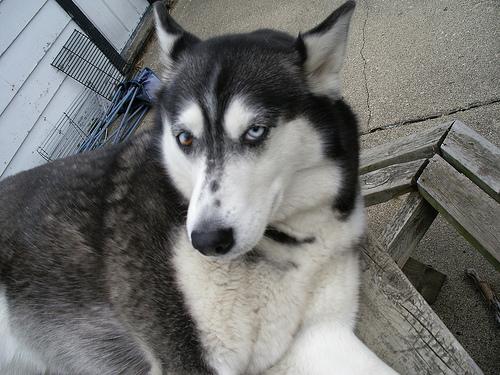
Your tripod dog’s body will heal in weeks, but their confidence and emotional resilience are what you’ll be actively building for months.
After amputation, most of the caregiving conversation focuses on wound care, pain management, and physical rehabilitation. And those things absolutely matter. But one of the most common things I hear from owners in the disabled dog community is that they weren’t prepared for the emotional shift in their dog — the withdrawal, the hesitation, the dog who used to charge at squirrels now standing at the back door and not quite committing to going outside.
Your dog doesn’t fully understand what happened to them. What they do know is that something feels different, their routine changed, and the people around them are acting worried. That’s enough to shake even the most confident dog.
Here’s what I’ve learned from talking to caregivers and rehab specialists about helping tripod dogs not just survive this transition, but genuinely thrive through it.
What Does Emotional Distress Actually Look Like in Tripod Dogs?
It doesn’t always look like sadness. Sometimes it looks like restlessness, or a dog who suddenly becomes velcro-clingy, or one who starts growling when you approach them in a way they never did before.
Common signs that your dog may be struggling emotionally:
- Reduced appetite: Not just picky eating, but a real, sustained disinterest in food that isn’t explained by nausea from medication.
- Withdrawal or hiding: Seeking out corners, under beds, or away from family activity they previously enjoyed.
- Flattened energy: Beyond post-op fatigue, a dullness in the eyes, no tail wag, no response to things that used to excite them.
- Excessive vocalization: Whining or crying at rest, especially at night, that isn’t clearly tied to physical pain.
- Clinginess or sudden aggression: Both can signal anxiety. One is “please don’t leave,” the other is “I’m scared and overwhelmed.”
- Appetite loss lasting more than 48–72 hours post-op
- Aggression that is new and unpredictable
- Self-directed behavior like excessive licking or chewing at the surgical site
- Complete withdrawal from family interaction for more than a few days
It’s worth separating what’s emotional from what’s physical, because sometimes what looks like depression is actually undertreated pain. Always rule out physical discomfort first, especially in those early weeks. A good read on this is our guide to pain management for tripod dogs, which covers what post-amputation pain can look like beyond the obvious.
How Can I Help My Dog Feel Confident Again?
This is the question that matters most, and the answer is almost always the same: give them the opportunity to succeed at small things.
Dogs are extraordinarily resilient, but they need safe conditions to rediscover that resilience. Here’s what tends to work:
Keep Routines Predictable
Dogs are creatures of habit. If mealtimes, walk times, and bedtime stay consistent, your dog has an anchor. Disrupted routines add cognitive stress on top of physical recovery, something many caregivers overlook.
Let Them Lead
One of the most common mistakes is overprotecting a tripod dog out of love. Blocking them from jumping on the couch (when it’s physically safe) or carrying them across thresholds they could manage themselves strips them of the chance to feel capable. Follow your vet’s guidance on what’s physically safe, then step back.
Use Short, Positive Outings
Fresh air and gentle sensory stimulation (sniffing the grass, hearing the neighborhood sounds) can do a lot for a dog’s mood. From what I’ve seen in the community, many tripod dogs perk up noticeably on short outdoor outings even before they’ve fully found their gait. The world smells interesting. That still matters to them.
Celebrate the Small Wins, Quietly
Calm, warm praise when they navigate a step or take a confident stride does more than enthusiastic cheering. Anxious energy from owners transfers to dogs. Be their calm cheerleader, not their panicked fan.
- First time they put weight on the remaining limbs without hesitation
- Voluntarily seeking out their favorite spot on the couch
- Eating a full meal with interest
- Greeting you at the door again
The Owner’s Emotional State Matters Too
This is something nobody warns you about. Your dog is reading you constantly. If you’re hovering with anxiety every time they stand up, they learn that standing up is something to be anxious about.
I’ve spoken with enough caregivers to know that guilt and grief are almost universal after a dog’s amputation, even when it was absolutely the right decision. You’re allowed to feel that. But processing it separately from your dog (with a friend, a support group, or even just journaling) means your dog gets the calm confidence they need from you during the day.
- Online communities like tripod dog forums can be genuinely helpful for your own mental health
- It’s okay to feel grief even when your dog is doing well
- Your calm, consistent energy is one of the most powerful recovery tools you have
- Ask your vet for realistic expectations — knowing what’s normal helps reduce anxiety
Enrichment That Supports Recovery
Physical rehab gets most of the attention, but mental enrichment during recovery is just as important, especially during the restricted-activity phase when your dog can’t burn energy the usual way.
- Sniff work: Scatter feeding, lick mats, and snuffle mats engage the brain without taxing the body. Smell-based enrichment is genuinely tiring in a good way.
- Short training sessions: Five minutes of known cues (sit, watch me, paw) gives your dog purpose and connection. Keep it easy and rewarding.
- Calm social contact: Time near family members, gentle petting, and quiet company. Don’t underestimate just being together.
As your dog progresses physically, the enrichment can evolve. Our guide to tripod dog exercises for building strength and confidence covers the physical side of this well, and emotional confidence tends to follow physical capability pretty naturally.
For dogs who need a little extra support navigating the house while they rebuild that confidence, good flooring and home setup can remove a lot of the daily stress, the kind where they slip and startle themselves. Our flooring and home safety guide for tripod dogs covers that in detail.
Emotional recovery from amputation isn’t a straight line, and it doesn’t follow a tidy schedule. But I’ve seen dogs who seemed utterly defeated in week two become absolute forces of nature by month three. The resilience is in there. Your job is mostly to create the conditions for it to come back out.
Related reading
- Tripod Dog Exercises: Building Strength and Confidence After Amputation
- Best Flooring & Home Safety for Tripod Dogs
- Exercise After Dog Amputation: A Safe Plan
- Life After Amputation: How to Care for Your Tripod Dog
Frequently Asked Questions
Can dogs get depressed after losing a limb?
Yes — many dogs show signs of low mood, reduced appetite, and withdrawal in the weeks following amputation. This is generally thought to be a response to pain, disorientation, and a disrupted routine rather than grief about the limb itself. Most dogs improve significantly as pain resolves and they regain independence.
How long does it take a tripod dog to feel like themselves again?
Most owners report seeing their dog’s personality start to return within 2–6 weeks of surgery, though it varies depending on the dog’s age, temperament, and underlying condition. Some dogs bounce back almost immediately once pain is managed; others need a bit more time and encouragement.
What are the signs that my tripod dog is struggling emotionally?
Watch for reduced interest in food or play, hiding, excessive vocalization, clinginess, or uncharacteristic aggression. Any of these lasting more than a few days after the acute post-op period warrants a conversation with your vet, as some dogs benefit from short-term anti-anxiety support.
Should I treat my tripod dog differently to protect their feelings?
Not really — dogs thrive on consistency and confident energy from their owners. Excessive coddling or anxious hovering can actually reinforce insecurity. Keep routines predictable, celebrate small wins, and let your dog lead at their own pace. Treat them like a dog who happens to have three legs, not a fragile patient.
This guide is based on real experience and should be used alongside professional veterinary care. Always consult your veterinarian before starting any new treatment or making changes to your dog’s care plan.