Limb-Sparing for Dogs: When the Leg Can Be Saved
Limb-sparing surgery can preserve a dog's leg when amputation seems inevitable. What makes a dog a candidate, what the surgery involves, and what recovery…
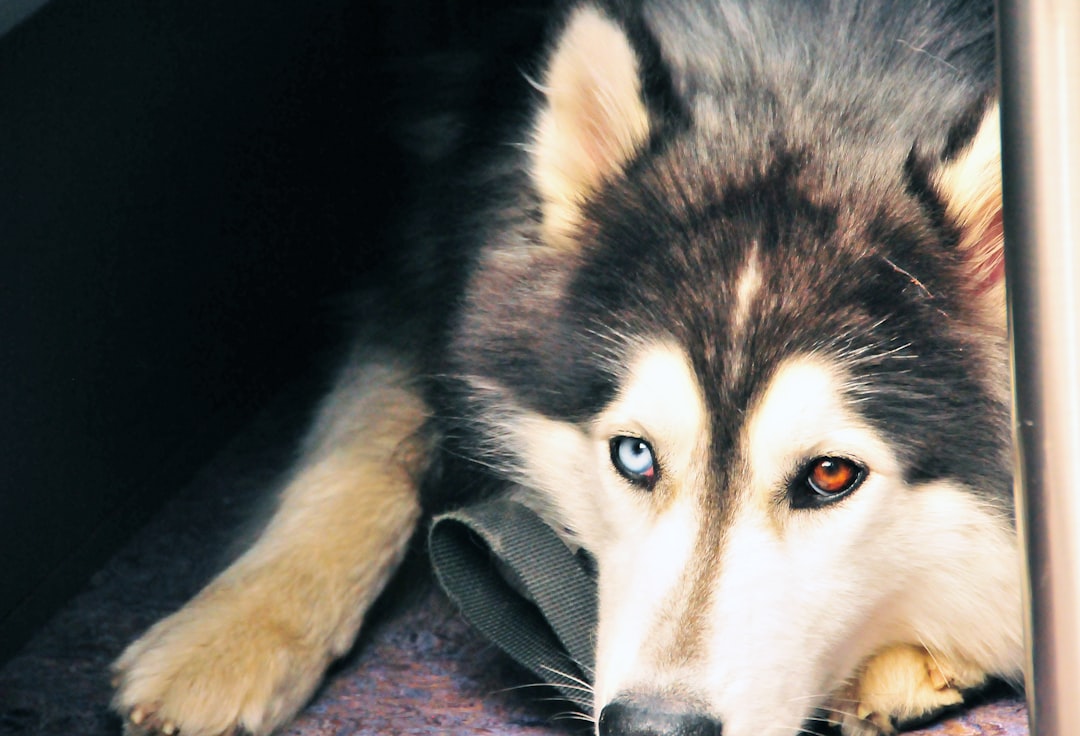
Photo by Christina Maiia on Unsplash
Limb-sparing surgery gives some dogs a real chance to keep the leg that amputation would have taken — but it’s a complex procedure with a longer, harder recovery than most owners expect.
When a vet delivers the words “bone tumor,” most owners immediately hear “amputation.” And in many cases, amputation is still the recommended path — it’s effective, the recovery is often faster, and three-legged dogs tend to do remarkably well. But for some dogs, limb-sparing surgery is a genuine alternative worth understanding before that decision gets made.
This isn’t a simple surgery, and it isn’t right for every dog. But knowing what it involves, who qualifies, and what the recovery actually looks like can help you have a more informed conversation with your specialist.
What Is Limb-Sparing Surgery in Dogs?
Limb-sparing surgery (sometimes called limb-salvage surgery) is a procedure that removes the diseased portion of a bone — most commonly a tumor — while keeping the leg intact. The missing bone is replaced with a metal implant, a bone graft, or a combination of both, and the surrounding soft tissue is reconstructed around it.
The goal is functional: the dog keeps the leg and ideally bears weight on it. It’s not cosmetic, and it doesn’t mean the disease is cured. For dogs with osteosarcoma (the most common reason this surgery is performed), limb-sparing is almost always combined with chemotherapy to address the spread of disease beyond the primary tumor site.
The American College of Veterinary Surgeons notes that limb-sparing is most commonly performed for osteosarcoma of the distal radius — the bone just above the wrist on the front leg — because of its anatomical accessibility and the fact that the joint below can sometimes be salvaged.
- Distal radius (wrist area, front leg) — the most common site
- Distal ulna (paired bone beside the radius)
- Proximal humerus (upper arm, near the shoulder) — less common, technically harder
- Distal femur or tibia (rear leg) — possible but more complex
Does My Dog Qualify for Limb-Sparing?
Not every dog with a bone tumor is a limb-sparing candidate, and honestly, fewer dogs qualify than owners hope. The evaluation is thorough and the criteria are specific.
To be considered, a dog generally needs:
- Tumor confined to one bone segment: If the cancer has invaded the adjacent joint, spread into nearby soft tissue, or caused a pathologic fracture, clean surgical margins become extremely difficult to achieve.
- No nerve or major vascular involvement: The leg has to remain functional after surgery, which requires intact nerves and blood supply.
- Imaging that confirms resectability: CT scan is usually required in addition to standard X-rays to map the tumor’s exact extent before any surgical plan is made.
- Overall health sufficient for major surgery: Dogs with significant heart, kidney, or other systemic disease may not be safe candidates for a lengthy procedure with high anesthetic demands.
- Owner capacity for an intensive recovery: This is worth saying plainly. Limb-sparing recovery is demanding. Strict activity restriction, frequent recheck appointments, wound monitoring, and physical rehabilitation add up. It requires real commitment.
If the tumor has caused a fracture, involves the joint surface extensively, or if imaging shows the margins simply can’t be achieved cleanly, amputation remains the safer and more reliable option.
What Does the Surgery Actually Involve?
The basic surgical steps vary depending on the location and reconstruction method chosen, but the general approach works like this: the surgeon removes the affected bone segment along with a margin of healthy tissue around it, then stabilizes the limb by bridging the gap with an implant, a bone allograft (donor bone), or a combination called a cortical allograft with internal fixation.
More recently, some specialty centers have moved toward using stereotactic radiosurgery (a form of targeted radiation) to sterilize the tumor before traditional surgical removal, which may reduce the risk of local recurrence. This approach is still relatively specialized and not available everywhere.
The surgery typically takes several hours and is performed under general anesthesia by a board-certified veterinary surgeon, usually at a specialty hospital or veterinary teaching center.
- Complication rates for limb-sparing are meaningfully higher than for amputation
- Surgical site infection is the most common complication — some sources report it occurring in a significant portion of cases
- Implant failure or bone graft rejection can require a second surgery or ultimately lead to amputation anyway
- Local tumor recurrence at the surgical site is also possible even when initial margins appear clean
How Does Recovery Compare to Amputation?
Recovery from limb-sparing surgery is generally longer and more involved than recovery from amputation. Where a typical amputation patient may be moving around within days and returning to modified normal activity within a few weeks, limb-sparing dogs face a longer road.
Most dogs are restricted to leash walks and very limited activity for 8–16 weeks while the bone graft or implant integrates. Physical rehabilitation, including range-of-motion exercises and gentle strengthening work, is usually started under the guidance of a rehabilitation therapist once the surgeon clears it. The leg has to relearn how to bear weight functionally, and that takes time.
What many owners in the disabled dog community describe is a recovery that’s emotionally harder too — because the dog looks like they have their leg, but the leg doesn’t work well yet, and there are frequent vet visits, wound checks, and moments of doubt along the way.
From what I’ve seen talking to other caregivers and rehab specialists, the dogs who do best post-limb-sparing are the ones whose owners go in knowing it won’t be straightforward. If you’re comparing this path to amputation, it’s worth reading about what recovery from amputation actually looks like alongside this, so you have a realistic picture of both roads.
- Get a surgeon’s clearance before starting any rehabilitation exercises
- Prepare a small, low-traffic recovery space with non-slip flooring before the dog comes home
- Have a plan for wound monitoring — know what normal healing looks like versus infection
- Ask your surgeon about physical rehabilitation referral before discharge, not after
Does Limb-Sparing Improve Survival Times?
This is often the first question owners ask, and the honest answer is: not significantly compared to amputation, when both are followed by chemotherapy.
Osteosarcoma in dogs is an aggressive disease, and the primary threat to survival is metastatic disease — cancer that has already spread microscopically to the lungs and elsewhere before the primary tumor is even diagnosed. The surgery addresses the local disease; chemotherapy addresses the systemic disease. Because both amputation and limb-sparing remove the primary tumor, survival times with appropriate chemotherapy tend to be broadly similar between the two approaches.
What limb-sparing may offer is preservation of a functional limb in a dog who might have difficulty adapting to three legs — for example, a large or obese dog, a dog with significant arthritis in the remaining limbs, or a dog whose owners have specific concerns about amputation for their individual situation.
If a dog has concurrent joint disease in other legs, talking to your vet about mobility aids and support options is worth doing regardless of which surgical route you choose, since the remaining legs will carry more load either way.
- Wound discharge that is green, yellow, or foul-smelling — contact your surgeon the same day
- Sudden non-weight-bearing on the operated leg after previously bearing weight — could indicate implant failure or fracture
- Fever, loss of appetite, or extreme lethargy in the first weeks post-op — signs of possible systemic infection
- Swelling that is rapidly worsening rather than slowly improving
Should You Pursue Limb-Sparing or Amputation?
There is no universally right answer — and anyone who tells you otherwise isn’t being straight with you. What I’d say, from everything I’ve learned talking to caregivers who’ve walked both roads, is this: the best decision comes from asking detailed questions of a board-certified surgeon, getting the full imaging workup, and being honest with yourself about your dog’s individual health picture and your own capacity to manage a complex recovery.
It’s also worth knowing that dogs who lose a leg to osteosarcoma can lead genuinely good lives. The amputation articles on this site go into detail about what life after amputation really looks like — and it’s often better than owners fear.
If you want to understand the wider landscape of when amputation is or isn’t the recommendation, the decision guide on when dogs need amputation lays that out clearly.
Whatever you choose, go in with full information and a surgeon who has done this specific procedure many times. Volume and experience matter enormously in outcomes for limb-sparing surgery.
Related Reading
- When Does a Dog Need Amputation? The Decision Guide
- Life After Amputation: How to Care for Your Tripod Dog
- Dog Amputation Recovery Day by Day: A 6-Week Timeline
Frequently Asked Questions
What conditions make a dog a candidate for limb-sparing surgery?
Limb-sparing is most commonly considered for dogs with osteosarcoma confined to a single bone, typically a limb bone below the shoulder or hip. The tumor must not have invaded surrounding soft tissue, joints, or nearby bones. Imaging — usually CT scan and X-ray — is used to determine whether clean surgical margins are achievable.
How long does recovery from limb-sparing surgery take?
Most dogs require 8–16 weeks of restricted activity following limb-sparing surgery, though the full recovery timeline varies by the type of reconstruction used and how the dog responds. Bone grafts and implants need time to integrate, and many dogs begin physical rehabilitation within a few weeks of surgery.
Is limb-sparing surgery always better than amputation for dogs with osteosarcoma?
Not necessarily. Many dogs adapt remarkably well after amputation, and survival times with chemotherapy are generally similar between the two approaches. Limb-sparing carries a higher risk of surgical complications, including infection and implant failure. The right choice depends on the individual dog’s anatomy, health, and the owner’s ability to manage a more intensive recovery.
What are the main risks of limb-sparing surgery in dogs?
The most common complications include surgical site infection (which occurs more often than with standard surgeries), implant failure, local tumor recurrence at the surgical site, and fracture. Dogs who develop serious complications may ultimately require amputation anyway, so it’s important to go in with realistic expectations.
This guide is based on real experience and should be used alongside professional veterinary care. Always consult your veterinarian before starting any new treatment or making changes to your dog’s care plan.