Life After Amputation: How to Care for Your Tripod Dog
Caring for a tripod dog after amputation: what the first 72 hours look like, how to protect remaining joints, and what long-term three-legged life really involves.
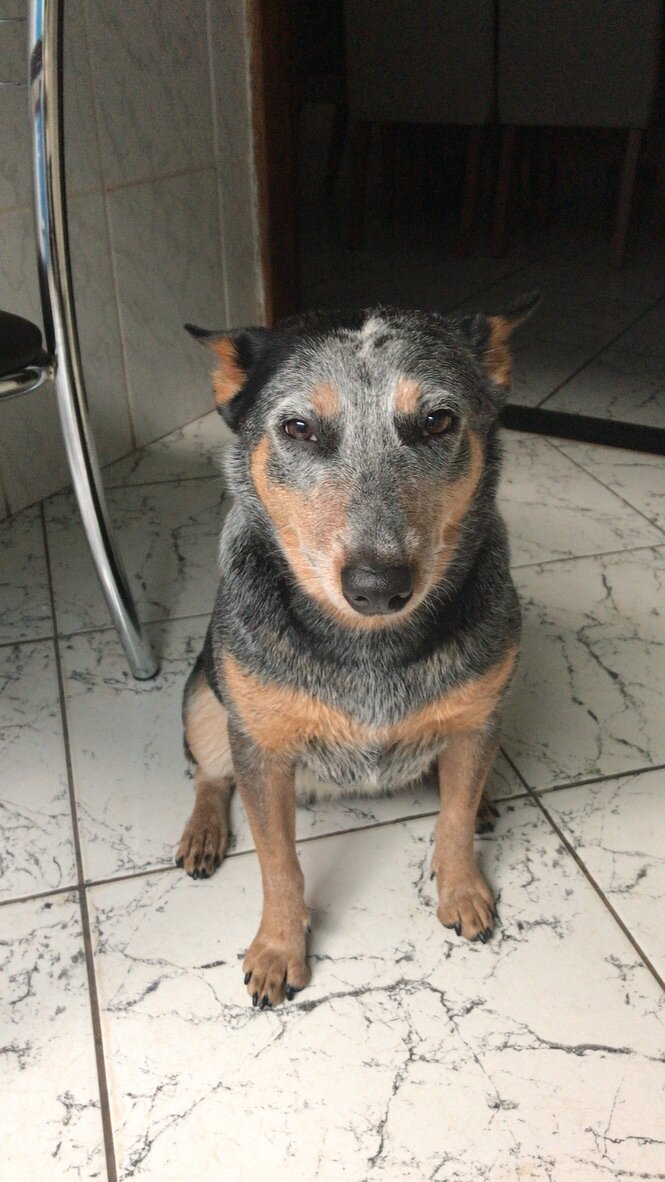
A dog can lose a leg and still live a full, joyful, tail-wagging life — but the first few months of care make all the difference.
When I first connected with other disabled dog caregivers, I was struck by how many of them had tripod dogs, and how surprised they were by how well those dogs adapted. The humans, honestly, struggled more than the dogs did. If you’ve just learned your dog needs an amputation, or you’re freshly home from surgery, I want you to hear that first: your dog doesn’t know what they’ve lost. They just know they want to be with you.
But that doesn’t mean the recovery is easy. There’s a lot to manage, and most of it falls on you. Here’s what actually helps.
Understanding What Your Dog Just Went Through
Amputation is major surgery. Whether the leg was removed because of bone cancer (osteosarcoma is the most common reason), severe trauma, or an untreatable nerve injury, your dog’s body has experienced significant physical trauma. The surgical site needs to heal, their musculoskeletal system needs to rebalance, and their nervous system needs time to rewire how it controls movement.
The First 72 Hours at Home
This window is the most intense. Your dog will likely be groggy from anesthesia, uncomfortable, and confused. What helped owners I’ve spoken with most:
- Confine to one room: Don’t let them navigate stairs or jump. A playpen or a baby-gated room gives them space without giving them access to danger.
- Watch the incision closely: Some swelling is normal. Oozing, foul smell, heat, or gaping edges are not. Call your vet.
- Don’t skip pain meds: I know some people worry about sedating their dog too much, but undertreated pain causes stress, poor sleep, and tension that slows healing. Give the medications your vet prescribed, on schedule.
- Help them stand: They will need gentle physical assistance the first few times they try to get up. Don’t let them thrash and injure the incision site.
- Incision that opens, oozes, or smells foul
- Fever (above 103°F / 39.4°C)
- Complete refusal to eat or drink past 24 hours
- Labored or rapid breathing
- Sudden collapse or inability to stand at all
How Long Does Recovery Take?
Most tripod dogs show meaningful improvement in balance and coordination within 4–6 weeks of surgery, though complete adaptation — where movement feels fluid and confident again — typically takes several months. Front-leg amputees often take longer than rear-leg amputees because dogs naturally carry roughly 60% of their body weight on the front end, making that rebalancing process more demanding.
The first two weeks tend to be the hardest. Your dog is managing surgical pain, learning an entirely new way to move, and adjusting to a body that feels unfamiliar. By weeks three and four, most dogs are standing and moving more confidently. By six to eight weeks, many owners describe their dog as “themselves again, just with a different gait.”
Weeks 1–4: Building New Balance
This is the phase most caregivers find hardest. Your dog is hurting, you’re exhausted, and it’s not yet obvious that things will get better. But this is also when the real adaptation begins.
Supporting Their Movement
Triangular support (three legs instead of four) requires your dog to redistribute their weight entirely. A front-leg amputation is generally harder to adapt to than a rear-leg removal because of that front-weighted loading. Be patient. It takes time.
- Use a harness, not a collar: A chest harness with a handle lets you steady them without yanking their neck.
- Sling support for rear amputees: A towel looped under the belly can help them navigate slippery floors early on.
- Non-slip surfaces everywhere: Hardwood and tile floors are a tripod dog’s worst enemy at first. Yoga mats, rubber-backed rugs, and paw grip wax all help enormously.
- Ramps over stairs: If possible, introduce a gentle ramp to get on and off the couch or into the car. Jumping puts enormous strain on the remaining limbs.
- Yoga mats taped together create cheap, washable flooring
- Paw wax (like Musher’s Secret) improves traction on paws
- Rubber-backed bath mats near food bowls, beds, and doors
- Mark slippery transitions with a rug so your dog learns where to expect them
Pain and Phantom Limb Sensations
Yes, dogs can experience phantom limb sensations — neurological signals that feel like the missing limb is still there. Signs include chewing or licking at the amputation site, sudden flinching, or unexplained crying. This is real discomfort, not behavioral. Talk to your vet about medications like gabapentin, which is commonly used to address this nerve-related pain. From what I’ve seen and heard from other owners, dogs on gabapentin during early recovery often adapted faster and seemed calmer overall. You can read more about this in my phantom pain and nerve sensitivity guide for tripod dogs.
Long-Term Care: The Joints You Still Have
This is something that doesn’t get talked about enough. A tripod dog places significantly more stress on their remaining three legs, especially the joint directly opposite the missing limb. Over time, this increased loading is widely believed to contribute to earlier-onset arthritis and joint wear in those limbs.
Protecting the remaining limbs is a long game, and it starts now.
- Weight management is non-negotiable: Every extra pound multiplies the load on those joints. Work with your vet to keep your dog lean.
- Joint supplements: Omega-3 fatty acids (fish oil) and glucosamine/chondroitin are worth starting early. Many rehab specialists recommend beginning these preventatively rather than waiting until arthritis shows up.
- Controlled, low-impact exercise: Swimming and slow leash walks on soft surfaces are ideal. Avoid long runs, rough terrain, or extended fetch sessions, especially in the first year.
- Orthopedic bedding: A supportive memory foam dog bed reduces morning stiffness and helps protect joints during sleep — something many owners in the tripod community swear by.
- 2 short, controlled walks daily rather than one long one
- Fish oil supplement mixed into food
- Massage the remaining limbs daily — it improves circulation and helps you spot soreness early
- Regular weight checks (monthly at minimum)
- Annual orthopedic exam with your vet
What About Physical Rehabilitation?
This is a section I wish more tripod dog guides included. Canine physical rehabilitation — the kind offered by certified rehab therapists — can make a real difference in how quickly and completely a three-legged dog adapts. Rehab isn’t just for the recovery period; it’s also valuable for building the compensatory strength that protects remaining joints over time.
Common rehab interventions for tripod dogs include:
- Underwater treadmill (hydrotherapy): Allows your dog to practice weight-bearing movement with buoyancy reducing the load on joints. Many owners find it’s one of the most effective tools in early recovery.
- Balance and proprioception exercises: Things like standing on a wobble board or a balance disc help the nervous system adapt to the new center of gravity.
- Targeted muscle strengthening: A rehab therapist will identify which muscle groups are being overloaded and build a targeted exercise plan to support them.
- Manual therapy and massage: Reduces muscle tension in the compensating limbs, which tend to work much harder than before.
Even a handful of sessions with a certified canine rehabilitation practitioner (look for CCRP or CCRT credentials) can give you a home exercise program tailored specifically to your dog. From what I’ve heard from owners in the tripod community, the dogs who had formal rehab support early on consistently showed better long-term mobility.
Emotional Recovery: Yours and Theirs
Dogs adapt with a speed that frankly puts us to shame. Within a few weeks, most tripod dogs are trotting around, playing, and doing exactly what they always did — just with a new gait. The grief you feel watching them stumble at first is real, but try not to project it onto them. Hovering anxiously or restricting activity out of fear can actually slow their adaptation.
That said, watch for actual behavioral changes: withdrawal, loss of appetite, or reluctance to engage that lasts more than a few days post-surgery can signal pain that isn’t being managed well. Those signals matter.
For you, give yourself permission to grieve the before-version of your dog, even as you celebrate who they’re becoming. Caregiver burnout is real in this community. Ask for help when you need it. Rest when you can.
- Sudden inability to bear weight on remaining limbs
- Neurological symptoms: circling, seizures, uncontrolled eye movement
- Signs of infection at the incision site that worsen despite cleaning
- Sustained loss of appetite beyond 48 hours post-surgery
What Three-Legged Life Actually Looks Like
I have watched tripod dogs swim, hike, run agility courses, and cuddle their humans with the same abandon as any four-legged dog. The adaptation is real. The joy is real. What you’re doing right now — learning, preparing, caring — matters more than you know.
The first few weeks are hard. Be gentle with yourself and your dog. Keep showing up. That’s enough.
Related Reading
- Amputation Recovery: A Complete Guide to Healing
- Phantom Pain and Nerve Sensitivity in Tripod Dogs
- Best Flooring and Home Safety for Tripod Dogs
Frequently Asked Questions
How long does it take a dog to adjust to three legs?
Most dogs show meaningful improvement in balance and mobility within 4–6 weeks of amputation, though full adaptation can take several months. Front-leg amputees often take longer than rear-leg amputees because dogs carry more of their weight on the front end.
Do dogs experience phantom limb pain after amputation?
Yes, dogs can experience phantom limb sensations — neurological signals that feel like the missing limb is still present. Signs include chewing at the stump site, sudden flinching, or unexplained crying. Gabapentin is commonly prescribed to manage this nerve-related discomfort.
What is the biggest long-term health risk for tripod dogs?
Accelerated joint wear is the most significant long-term concern. A three-legged dog places extra stress on the remaining limbs, especially the joint opposite the missing leg, which can lead to early-onset arthritis. Weight management, joint supplements, and low-impact exercise are widely recommended to slow this process.
Can a tripod dog live a normal, happy life?
Absolutely. With appropriate pain management, a safe home environment, and attentive care, most tripod dogs go on to run, play, and enjoy daily life with the same enthusiasm they had before. Dogs adapt to three-legged life remarkably well — often faster than their owners do.
This guide is based on real experience and should be used alongside professional veterinary care. Always consult your veterinarian before starting any new treatment or making changes to your dog’s care plan.