How Long Do Three-Legged Dogs Live?
Three-legged dogs live just as long as four-legged dogs when their weight, joints, and activity are well managed. What caregivers wish they'd known from day…
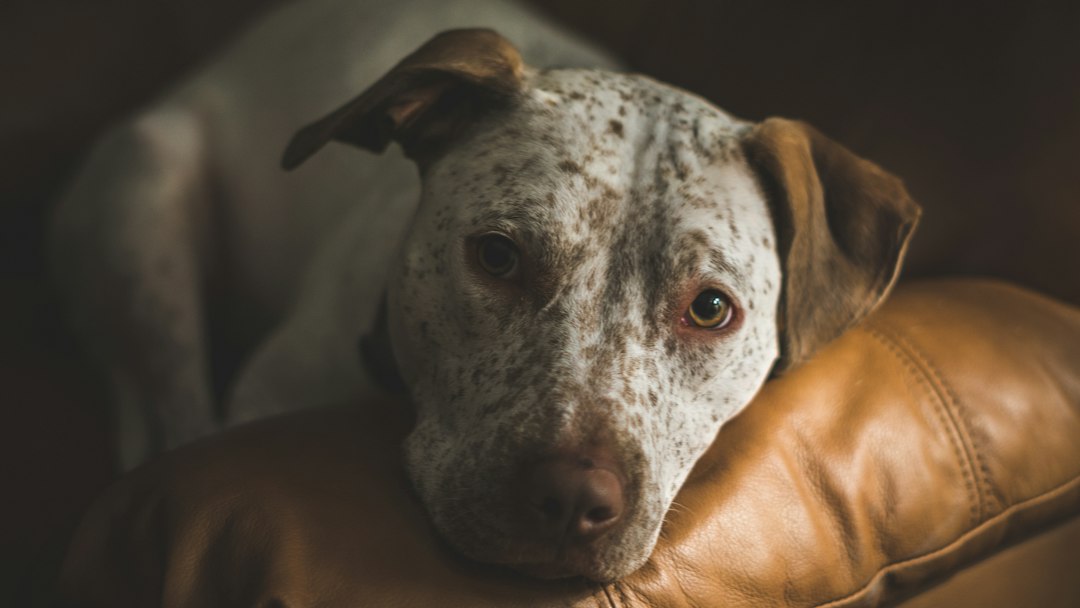
Photo by Gui Avelar on Unsplash
A three-legged dog’s life expectancy is determined far more by why the leg was removed than by the fact that it’s gone.
Does Losing a Leg Shorten a Dog’s Life?
No — the amputation itself does not shorten a dog’s life. What shapes the prognosis is the condition that made amputation necessary in the first place. A dog who lost a leg to a severe fracture or bone infection has no reason to live any shorter a life than before the injury. A dog who lost a leg to osteosarcoma faces a different conversation — one centered on cancer progression, not on the number of legs.
This distinction matters enormously, and I’ve seen how much confusion it causes for families in the early days after surgery. The fear that a three-legged dog is somehow fragile or diminished is almost always unfounded. Tripawds, the long-running community for three-legged dog owners, has documented thousands of tripod dogs living active, happy lives for years after amputation — and the consistent theme is that the dog adapts far faster than the human does.
Why the Underlying Cause Matters Most
The reason for amputation is the single most important factor in a tripod dog’s long-term prognosis. Here’s how the most common causes typically break down:
- Trauma (car accidents, severe fractures): Once healed, a dog who lost a leg to trauma has a normal life expectancy for their breed and age. The leg is gone; the underlying health is intact.
- Bone infection (osteomyelitis): When infection is fully cleared, long-term prognosis is generally good. Recurrence risk depends on the severity of the original infection.
- Benign tumors or chronic non-healing wounds: Prognosis after successful removal is typically excellent.
- Osteosarcoma (bone cancer): This is the one category where the prognosis conversation shifts significantly. Amputation alone — without chemotherapy — is generally associated with median survival times measured in months, not years. With chemotherapy, some dogs live considerably longer, though outcomes vary widely. Your oncologist is the right person to walk you through realistic expectations for your individual dog.
- Soft tissue sarcoma: Prognosis depends heavily on tumor grade. Lower-grade tumors removed with clean margins often carry a good long-term outlook.
- Ask your vet or oncologist specifically: “Is the underlying condition resolved, or are we managing an ongoing disease?”
- The answer to that question tells you more about life expectancy than the amputation itself ever will.
- If your dog lost the leg to cancer, request a specific conversation about median survival times with and without additional treatment.
What Are the Real Long-Term Health Risks for Tripod Dogs?
The most genuine long-term concern for a three-legged dog is increased mechanical stress on the remaining joints. When a dog loses a limb, the remaining three legs take on all the work that four legs used to share. Over time — particularly in larger dogs or dogs who are overweight — this can accelerate wear in the joints of the remaining limbs and in the spine.
The joints most commonly affected depend on which leg was removed:
- Rear leg amputation: Increased load on the remaining rear leg and both front legs, with particular stress on the lower spine and hips.
- Front leg amputation: Front legs typically carry more of a dog’s body weight to begin with, so losing one front leg tends to create more compensation strain than losing a rear leg. The remaining front leg, neck, and shoulders often show the most wear over time.
Arthritis is the most frequently reported long-term consequence that caregivers and rehab specialists observe in aging tripod dogs. Most dogs don’t show significant signs of this until they’re older — it’s not a problem that hits in the first year of recovery for most dogs. But it’s worth knowing about early so you can take steps to slow it.
- Keep your dog at a lean, healthy weight — this is the single most impactful thing you can do for long-term joint health.
- Maintain regular, low-impact exercise (short walks, swimming if available) to keep muscles strong around the joints.
- Ask your vet about joint supplements like omega-3 fatty acids or glucosamine — many rehab specialists recommend starting these early.
- Schedule regular checkups specifically focused on joint health as your dog ages.
How Quickly Do Three-Legged Dogs Adapt?
Most tripod dogs adapt to three legs faster than their families expect. The first few weeks after surgery are the hardest — for the dog physically and for the owner emotionally. But within a few months, the majority of dogs are moving confidently, playing, and behaving in ways that look remarkably like their old selves.
From what I’ve seen and heard from owners in the tripod dog community, the emotional recovery of the human tends to lag behind the physical recovery of the dog by a considerable margin. By the time you’ve stopped grieving the leg, your dog has usually already figured out how to run without it.
Larger dogs sometimes take longer to fully adjust, simply because there’s more body weight to redistribute across three legs. Small dogs often bounce back startlingly fast. The American College of Veterinary Surgeons notes that the majority of dogs undergoing limb amputation return to good quality of life following recovery — which tracks with what caregivers consistently report.
Keeping your dog’s weight in the ideal range from day one of recovery makes a real difference in how smoothly that adaptation goes. I’d pair that with good flooring — slippery surfaces are genuinely hard on a tripod dog navigating a new gait — and a focus on flooring and home safety for tripod dogs is worth doing before your dog even comes home from surgery.
- Reluctance to bear weight on one of the remaining limbs
- Swelling or heat in a joint of a remaining leg
- Yelping or flinching when a limb is touched
- Visible muscle atrophy (wasting) in the remaining rear or front leg
- Increasing stiffness after rest, especially in cooler weather These signs suggest early arthritis or joint stress and warrant a vet visit — caught early, they’re much more manageable.
Weight Is Not a Small Thing
I want to say this plainly because it’s easy to underestimate: weight management for a tripod dog is not optional. Every extra pound your dog carries is being distributed across three joints instead of four. The math matters.
Many tripod dog owners describe this as the single most impactful change they made for their dog’s long-term comfort and mobility. A dog who’s slightly overweight at four legs can become a dog in real pain at three legs if the weight isn’t managed proactively. If your vet hasn’t given you a specific target weight and a feeding plan to maintain it, ask directly at your next appointment.
Nutrition-focused guidance for tripod dogs is covered in more depth in our article on tripod dog nutrition and weight targets.
Related Reading
- Life After Amputation: How to Care for Your Tripod Dog
- Tripod Dog Strength Exercises: A Post-Amputation Plan
- Pain Management for Tripod Dogs: Post-Op to Long-Term Joints
Frequently Asked Questions
Do three-legged dogs live as long as four-legged dogs?
Yes, in most cases. The amputation itself does not shorten a dog’s lifespan. What matters most is the underlying reason for the amputation — a dog who lost a leg to trauma can expect a normal lifespan, while a dog who lost a leg to bone cancer will have a prognosis shaped by the cancer, not the missing limb.
What health problems do tripod dogs develop as they age?
The most common long-term concern is extra wear on the remaining joints, particularly the shoulder or hip of the compensating leg and the spine. Arthritis is the most frequently reported issue in senior tripod dogs. Maintaining a healthy weight and staying active are the best ways to slow that wear.
When do three-legged dogs usually start to slow down after amputation?
Most tripod dogs adapt remarkably well in the first few months after surgery and stay active for years. Many caregivers and rehab specialists report that significant slowing tends to appear in older age — the same window it would for any aging dog — rather than being tied directly to the amputation.
Is there anything I can do to extend my tripod dog’s healthy years?
The three most impactful things are keeping your dog lean, providing joint-protective supplements as your vet recommends, and maintaining regular low-impact exercise. Routine vet checkups to catch early arthritis are also worth prioritizing — catching joint changes early gives you more options.
Three-legged dogs run, swim, play, and curl up on the couch just like four-legged ones do. The leg is gone, but the dog — the whole, full, joyful dog — is still there. That’s what matters most.
This guide is based on real experience and should be used alongside professional veterinary care. Always consult your veterinarian before starting any new treatment or making changes to your dog’s care plan.