Hit by a Car: When the Leg Cannot Be Saved
Your dog was hit by a car and the vet says the leg can't be saved. Here's what amputation actually means for a dog's recovery, quality of life, and your next…
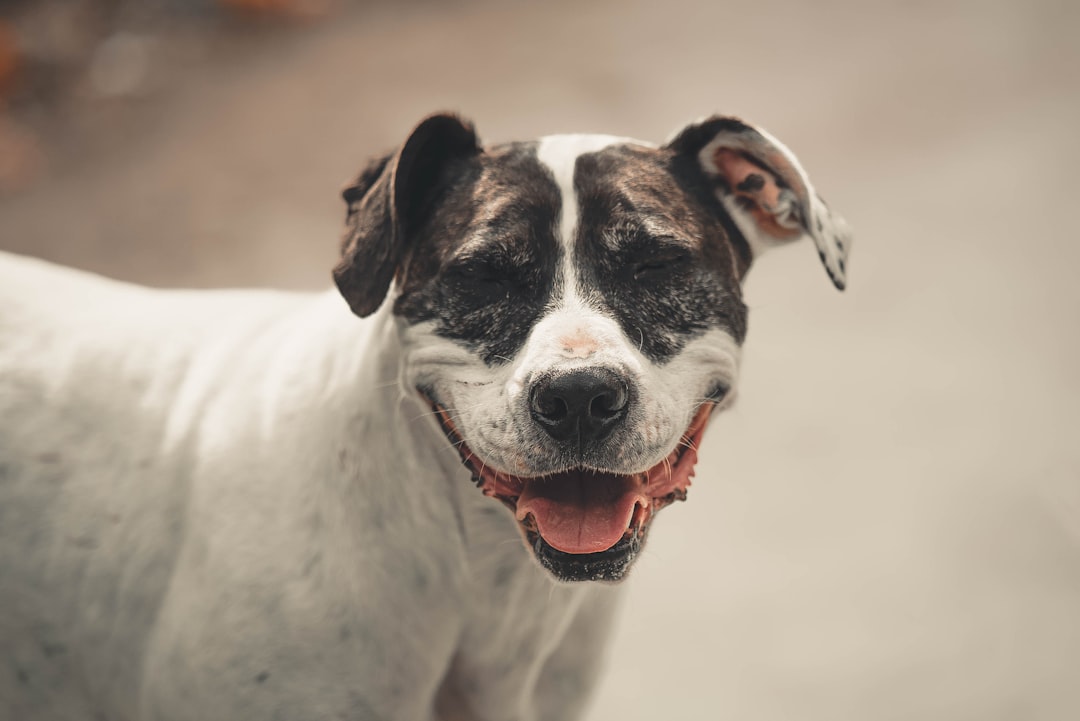
Photo by Juan Manuel Sanchez on Unsplash
If the vet just told you your dog’s leg cannot be saved, this is likely the hardest moment you’ve faced as a pet owner — and you deserve honest information, not false comfort or more confusion.
What Does “Cannot Be Saved” Actually Mean?
Veterinary surgeons recommend amputation when the damage to a leg makes repair impossible, dangerous, or unlikely to result in a functional, pain-free limb. This is a clinical judgment, not a rushed one.
The most common reasons a leg cannot be saved after a car accident include:
- Crush injury: When soft tissue, muscle, and bone are so severely compressed that blood supply is lost and the tissue begins to die. A limb without blood supply cannot heal.
- Degloving: When the skin and tissue are stripped away from a large section of the leg, leaving bone and tendons exposed. Reconstruction is sometimes possible, but often the damage is too extensive.
- Shattered or multi-fragment fractures: Some fractures can be repaired with plates and pins — but when bone is pulverized into too many pieces, there is nothing stable enough to reconstruct.
- Vascular damage: If the major blood vessels supplying the limb are severed or irreparably damaged, the leg cannot receive the circulation it needs to survive.
- Severe nerve damage: A leg with no nerve function cannot be restored to use. A dog walking on a permanently numb limb risks constant undetected wounds.
Not every leg that cannot be saved declares itself at the roadside. A fracture can be plated, pinned, and sent home looking like a success, and then simply never knit — a non-union fracture, which can bring the amputation conversation back months after the accident everyone thought was behind you.
The American College of Veterinary Surgeons notes that limb-sparing surgery is sometimes an option, but the injury type, location, and extent of damage ultimately determine whether it is feasible.
- Car accidents often cause internal injuries — bleeding, pneumothorax (air in the chest cavity), organ damage — that may not be immediately visible
- Your vet team will stabilize your dog before discussing surgical options; this is not delay — it is critical
- Make sure you understand the full picture of your dog’s injuries before consenting to any procedure
- Ask specifically: “Are there internal injuries that affect surgical risk or recovery?”
Should I Get a Second Opinion?
If you have time and your dog is stable, a second opinion from a board-certified veterinary surgeon is always reasonable. Most emergency vets will understand and support this. That said, if your dog is in severe pain, the limb is non-viable, and delay means more suffering, speed matters more than certainty.
What I’ve heard repeatedly from owners in the disabled dog community is this: the ones who agonized over the decision before amputation almost universally say they wish they had moved faster — not because they made the wrong call, but because their dog’s relief after surgery was immediate and obvious.
If you do seek a second opinion, you don’t need to go to a different city. Many veterinary specialists can consult remotely by reviewing imaging and surgical notes. Ask your emergency vet whether a specialist consult is available, even by phone or video.
What Amputation Surgery Actually Involves
Amputation in dogs is a well-established procedure. Veterinary surgeons perform it regularly, and outcomes are generally very good. The leg is removed at or near the joint above the injury — this prevents a painful stump and gives the dog the cleanest healing site.
The surgery is performed under general anesthesia. Pain management begins before your dog wakes up and continues throughout recovery. Most dogs wake up from amputation surgery calmer than you’d expect — because the source of their acute pain is gone.
Front leg amputation and rear leg amputation have different recovery patterns. Rear legs carry less of a dog’s total body weight than front legs, so rear-leg amputees tend to adapt quickly. Front-leg amputees have more weight shifting to manage, but most still do remarkably well.
- Most tripod dogs begin bearing weight on their remaining limbs within 24–72 hours of surgery
- Incision healing typically takes two to four weeks with proper wound care
- Full physical adaptation — muscle building, gait adjustment — continues for three to six months
- Many tripod dogs run, play, swim, and live entirely normal lives
How Do Dogs Cope With Losing a Leg?
Dogs adapt to three legs faster than almost any owner expects. This is not wishful thinking — it is consistently what caregivers report, and it aligns with what rehab vets describe clinically.
Dogs don’t have the psychological relationship with their body image that humans do. They don’t mourn the missing limb. What they care about is: Am I in pain? Can I move? Can I be with my people? After amputation, the answer to all three often shifts dramatically for the better.
What actually affects long-term quality of life for tripod dogs includes:
- Weight: A tripod carrying extra weight puts enormous strain on the remaining three joints. Keeping your dog lean is the single most impactful thing you can do for their long-term joint health. See Tripod Dog Nutrition: Weight Targets That Protect 3 Legs for practical guidance.
- Flooring: Slippery surfaces are harder to navigate on three legs. Non-slip mats and good traction matter, especially in the early months. Best Flooring & Home Safety for Tripod Dogs covers the specifics.
- Exercise and muscle building: Three legs means the remaining muscles need to work harder. Gradual, consistent exercise — not rest — is what builds the strength tripods need long-term.
- Keep body weight in the lean-to-ideal range — every extra pound is extra stress on three joints
- Start with short, frequent walks post-recovery rather than long occasional ones
- Use non-slip flooring throughout the house, especially on stairs and smooth surfaces
- Let your dog set the pace — most tripods are faster to adapt than their owners
What About the Cost?
Amputation surgery costs vary widely depending on your location, the facility, and what other care your dog needed after the accident. Emergency stabilization, imaging, hospitalization, and surgery together can reach several thousand dollars. It is a significant cost on top of an already devastating day.
If you’re looking at the bill and feeling overwhelmed, know that options exist. Veterinary payment plans, CareCredit, Scratchpay, and breed-specific rescue funds are all worth asking about. If your dog has pet insurance, call them while your dog is still being treated — some insurers require notification before or during treatment, not just after.
You can find practical information on emergency financing at How to Pay for IVDD Surgery When You Can’t Afford It — the financing options covered there apply to traumatic injury costs just as much as to spinal surgery.
- Incision that is hot, swollen, oozing pus, or has a foul smell — these are signs of infection requiring immediate vet attention
- Dog is not bearing any weight on remaining limbs within 48–72 hours post-surgery — not typical, warrants a call
- Pale or white gums, extreme lethargy, or rapid breathing — possible signs of internal bleeding or shock; go to emergency care immediately
- Excessive licking or chewing at the incision site — can open the wound and introduce infection; an e-collar is essential
The First Days After You Bring Them Home
The first week is genuinely hard. Your dog will look different. They will be groggy, sore, and disoriented. You will be exhausted and grieving something that’s hard to name.
What caregivers consistently describe after the first week is a shift. The dog starts moving. Starts eating. Starts looking for their ball or their spot on the couch. The adjustment happens faster than it feels like it will in those first 48 hours.
Keep the environment simple: one level of the house if you can manage it, non-slip surfaces, a comfortable bed at floor level, and restricted access to stairs until your vet clears them. Short outdoor trips for bathroom needs, nothing more, until healing is underway.
For a detailed timeline of what to expect day by day, Dog Amputation Recovery Day by Day: A 6-Week Timeline walks through it week by week.
Your dog is going to need you steady right now. That doesn’t mean you have to feel okay — it just means you show up. That’s enough.
Related Reading
- When Does a Dog Need Amputation? The Decision Guide
- Dog Amputation Recovery Day by Day: A 6-Week Timeline
- Life After Amputation: How to Care for Your Tripod Dog
Frequently Asked Questions
Can a dog survive a traumatic leg amputation from a car accident?
Yes — the vast majority of dogs recover well from amputation and go on to live active, happy lives as tripods. The surgery itself carries risk, especially when there are other injuries from the accident, but three-legged dogs adapt remarkably fast. Most are walking within days to weeks post-surgery.
How long does recovery take after a dog’s leg is amputated?
Most dogs are putting weight on their remaining limbs within a few days of surgery. The incision typically heals over two to four weeks, and most dogs return to normal activity within six to eight weeks, though full muscle adaptation continues for several months.
Is it cruel to amputate a dog’s leg after a car accident?
Most veterinary surgeons would say no — and many owners of tripod dogs say their dog is happier post-amputation than they expected. Dogs don’t grieve a missing limb the way humans do. What they care about is being out of pain and able to move, eat, and be with their people.
What questions should I ask the vet before agreeing to amputation?
Ask whether there are any other internal injuries that could complicate surgery, whether limb-sparing surgery is a realistic option, what the expected recovery timeline looks like, and what the prognosis is for quality of life long-term. Also ask about pain management during recovery.
This guide is based on real experience and should be used alongside professional veterinary care. Always consult your veterinarian before starting any new treatment or making changes to your dog’s care plan.