Best Flooring & Home Safety for Tripod Dogs
Learn which flooring types and home modifications best support tripod dogs after amputation — practical safety tips from a disabled dog caregiver.
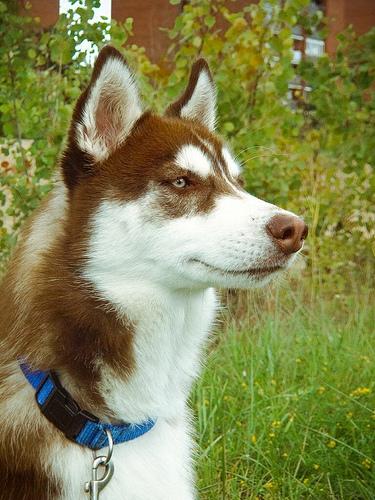
The right home setup can be the difference between a tripod dog thriving with confidence and one that’s constantly slipping, stumbling, or compensating in ways that quietly damage their remaining joints.
Amputation changes the way a dog moves through the world — permanently. A three-legged dog is doing the work of four limbs with three, which means every slippery floor, awkward step, or furniture obstacle becomes a real physical challenge. From what I’ve seen and heard from other owners caring for tripod dogs, the home environment often gets overlooked in the early days when everyone is focused on surgery recovery and pain management. But getting the flooring and layout right early on may be one of the most impactful things you can do for your dog’s long-term joint health.
This guide covers the practical changes that actually matter, and why they’re worth doing sooner rather than later.
Why Does Flooring Matter So Much for Three-Legged Dogs?
When a dog loses a limb, the remaining three legs absorb all the impact of movement. That asymmetry creates uneven stress, particularly on the joints opposite to the missing limb. Slippery surfaces make this worse: a dog constantly scrambling for footing is recruiting muscles and joints in abnormal ways, and over time, that adds up.
Many rehab specialists who work with tripod dogs emphasize that joint protection starts at ground level. Smooth hardwood, tile, and laminate are the most common hazards in a typical home.
- Polished hardwood and laminate: almost no grip, especially when wet
- Tile floors: particularly glazed ceramic or porcelain
- Area rugs without non-slip backing: these bunch and slide underfoot
- Wet surfaces near water bowls: splash zones should have a grippy mat underneath
What Flooring Actually Works
The goal is traction: enough grip that your dog can push off, turn, and stop without scrambling. Here are the options that come up most often in the tripod dog community:
- Interlocking foam tiles: Inexpensive, easy to install, and provide excellent cushion and grip. Great for recovery rooms and main living areas. The soft surface is also gentler on the single remaining front or rear leg.
- Rubber-backed rugs and runners: Lay these along your dog’s main travel routes, hallways, paths between the bed and water bowl, from the door to their resting spot. You want consistent coverage, not islands of rug surrounded by slippery floor.
- Yoga mats and anti-fatigue mats: Surprisingly useful near food and water stations, at the base of ramps, and in front of frequently used doors.
- Carpet: Already good traction, but check for loose edges that could catch a paw or claw.
For bare floors that you can’t cover completely, Dr. Buzby’s ToeGrips are a solution many tripod dog caregivers swear by. They’re small rubber rings that fit over your dog’s nails and create friction against hard floors, no boots, no anxiety about putting something on their feet. They take a minute to get used to, but many dogs adjust quickly.
- Lay non-slip runners along the hallway your dog uses most
- Place a rubber mat under the food and water bowl
- Add foam tiles in the room where your dog sleeps and rests
- Check all existing rugs — flip them over and confirm they have non-slip backing
How Should I Rearrange My Home for a Tripod Dog?
Flooring is the foundation, but furniture layout matters too. Three-legged dogs have a narrower margin for error when navigating tight spaces: a coffee table corner or a chair leg in an unexpected place can throw off their balance mid-stride.
Clear the Main Travel Routes
Think about the paths your dog uses most: from their bed to the door, to their water bowl, to the couch if they’re allowed up. These routes should be as open and obstacle-free as possible. That means moving low furniture, tucking away cords, and creating a clear lane your dog can move through confidently.
Rethink the Furniture They Love
If your dog used to leap onto the couch or bed, that jumping habit becomes a real injury risk with three legs. The landing impact on a single front or rear leg can stress the remaining joints significantly.
- Dog ramps and steps: A low-incline ramp with a grippy surface is generally safer than stairs. If your dog prefers steps, make sure each step is wide enough for a confident placement and has a non-slip covering.
- Keep the incline gentle: Steep ramps make the same problem as jumping: your dog compensates with an awkward push-off. A longer, shallower ramp is almost always better.
- Outdoor entry points: A small ramp over porch steps (even just two or three steps) can dramatically reduce daily joint stress.
Food and Water Station Height
Some tripod dogs (especially those missing a front leg) find it more comfortable to eat from a slightly elevated bowl. It reduces the forward lean and strain on the remaining front limb. A simple raised feeder or even a low step stool with a non-slip mat on top can help.
- Contained space: A small room or gated area with foam tiles lets your dog rest and move without navigating the whole house
- Low-profile bedding: A memory foam bed on the floor (rather than an elevated cot) removes any stepping-up requirement
- Water accessible without walking far: Minimize distance during early recovery
- Avoid stairs entirely until your vet gives clearance
Outdoor Safety for Three-Legged Dogs
Inside the house gets most of the attention, but outside is where many tripod dogs struggle most. Uneven terrain, grass that hides holes, wet pavement, gravel: all of it creates unpredictable footing.
- Stick to flat, consistent surfaces for daily walks, especially during the first few months post-surgery
- Avoid wet grass when possible: it’s surprisingly slippery and hard to read
- Watch for gravel and loose stone: small pieces can shift underfoot unpredictably
- Shorten walks and increase frequency rather than doing one long outing that fatigues the remaining joints
If you’re still building up your dog’s strength after surgery, the tripod dog exercise guide has a safe progression for outdoor activity that pairs well with these home modifications.
What About Joint Protection Long-Term?
Every slip, scramble, and awkward landing puts extra wear on your dog’s surviving joints. Over time, many tripod dogs do develop arthritis or increased joint stress, particularly in the leg that’s doing the most compensatory work. The home modifications in this guide aren’t just about preventing falls right now. They’re an investment in your dog’s long-term comfort.
Pair good flooring and layout with regular weight monitoring (extra weight multiplies joint stress), low-impact exercise, and whatever joint support your vet recommends. For more on what life looks like down the road, the complete guide to life after amputation is a good companion read.
Your tripod dog has already proven they’re resilient. A little rearranging and some well-placed rugs can go a long way toward making that resilience sustainable, and helping them move through their home with the confidence they deserve.
This guide is based on real experience and should be used alongside professional veterinary care. Always consult your veterinarian before starting any new treatment or making changes to your dog’s care plan.
Related reading
- Tripod Dog Exercises: Building Strength and Confidence After Amputation
- Life After Amputation: How to Care for Your Tripod Dog
- Exercise After Dog Amputation: A Safe Plan
- Amputation Recovery: A Complete Guide to Healing
Frequently Asked Questions
What is the best flooring for a tripod dog?
Rubber-backed rugs, yoga mats, and interlocking foam tiles are widely considered the best options for tripod dogs. They provide grip without putting stress on the remaining joints. Slippery hardwood and tile floors are the biggest hazards to avoid.
Do tripod dogs need ramps instead of stairs?
Many tripod dogs manage stairs, but ramps are generally safer, especially for dogs who lost a front leg or who are still building strength after surgery. A gentle slope with a grippy surface reduces the risk of slipping or overloading the remaining limbs.
How do I stop my three-legged dog from slipping on hardwood floors?
Non-slip rugs and runners along main travel paths are the fastest fix. ToeGrips (rubber rings that fit over the nails) are another option many caregivers find helpful for bare-floor traction. Both can be used together for extra security.
Should I rearrange furniture for a tripod dog?
Yes: clear, open pathways reduce the risk of stumbling and make it easier for your dog to navigate and self-correct their balance. Removing low coffee tables and clutter from common travel routes is a simple change with a big payoff.