Dog Amputation Recovery Day by Day: A 6-Week Timeline
Day-by-day amputation recovery expectations — incision changes, mobility milestones, sleep & eating patterns, and when to call the vet. Real caregiver detail.
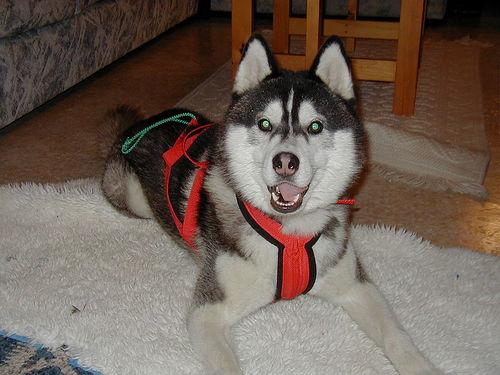
The hardest part of amputation recovery isn’t the surgery. It’s the six weeks after, when you’re watching your dog struggle to move and wondering whether what you’re seeing is normal.
What Happens in the First 72 Hours After Amputation?
The first three days after amputation surgery are defined by sedation wearing off, pain being managed, and your dog being completely disoriented, and that disorientation is entirely normal. Dogs don’t come home understanding they’ve lost a limb; they just know they feel awful, their balance is off, and everything is strange.
Day 1 (surgery day or day of discharge): Your dog will likely come home still groggy from anesthesia. Expect stumbling, glassy eyes, and a strong desire to just lie down and sleep. The incision site will be shaved, swollen, possibly bruised, and may have a small amount of bloody or serosanguinous (pinkish-watery) discharge. This is normal in the first 24 hours. Appetite will be low or absent. Don’t push food. A few licks of water is a win.
Day 2: Sedation fog lifts. Your dog will be more aware, possibly more distressed by the change in their body. You may see attempts to stand that result in falling. Offer food — most dogs accept small amounts by now. The incision may look worse today than yesterday; swelling and bruising often peak at 48 hours. This is expected, not a sign of infection.
Day 3: This is usually the first day that feels slightly better. Many dogs attempt a few supported steps. Pain medication should be keeping them comfortable. If your dog seems to be in significant distress despite medication, call your vet. The e-collar (cone) is non-negotiable; dogs will lick or chew at the site the moment you look away.
- Green, yellow, or foul-smelling discharge from the incision
- Wound edges gaping open or sutures visibly pulling apart
- Fever above 103°F (feel for warmth at the incision site and around the base of the limb)
- Refusing to drink water for more than 24 hours
- Extreme, unrelieved pain: crying, shaking, inability to settle
The First Week: Days 4–7
Most dogs turn a visible corner somewhere in this window. Here’s what to watch for:
Day 4–5: Balance improves noticeably. Your dog will start bearing weight on the remaining limbs more confidently. For rear-leg amputees, this often looks like a wide-based “bunny hop” gait at first. For front-leg amputees, the adjustment is harder. Front legs carry roughly 60% of a dog’s body weight, so the learning curve is steeper. Appetite usually returns fully by day 5. Bruising around the incision begins to fade from deep purple toward yellow-green.
Day 6–7: The incision should look less angry: swelling subsiding, bruising fading, wound edges beginning to approximate (draw together). Discharge, if any, should be minimal and clear to very pale pink. This is a good time to take a photo of the incision so you have a baseline for comparison going forward.
- Use a rolled towel or sling under the belly for bathroom trips — don’t let them fall
- Keep bathroom outings very short — just enough to do their business
- Non-slip surfaces only; remove all rugs that could bunch and cause a fall
- Sleep near your dog if you can — they need reassurance as much as physical support
If you want to print this out tied to your dog’s surgery date, our dog recovery timeline generator produces a personalised 6-week recovery calendar with the checkpoints and red flags for each phase.
## Week 2: Building Confidence (Days 8–14)
By the second week, the recovery narrative shifts from “surviving” to “adapting.” Your dog is figuring out their new body, and watching it happen is genuinely moving.
What to expect at the surgery site: The incision should be clearly closing. You may see a thin scab forming along the suture line. Don’t pick at it, and don’t let your dog lick it. Sutures (if non-dissolving) are often removed around day 10–14; your vet will advise. Any remaining swelling should be minor.
Mobility milestones: Many dogs are walking unassisted (even if awkwardly) by day 10. Three-legged dogs develop a characteristic gait that becomes smoother over time. Don’t expect a polished trot yet; what you’re looking for is weight-bearing and forward movement with some consistency.
Sleep patterns: Still heavy. Dogs sleep a lot during recovery. This is healing, not depression. If your dog was previously sleeping 12 hours a day, expect 16–18 now. Disrupted nighttime sleep (restlessness, whimpering) that was present in week 1 usually improves significantly by week 2 as pain comes under better control.
Eating: Should be fully normalized by now. If your dog is still picking at food in week 2, rule out nausea from pain medications (a common culprit) and let your vet know.
- Walking to their food bowl unassisted
- Bearing weight without prompting or support
- Incision looking dry and flat
- Sleeping through the night without distress
Weeks 3–4: The Turning Point
This is when most owners start to exhale. The panic of the first two weeks fades and you start to see your dog’s personality re-emerge. They’ll be more curious, more interested in their environment, and pushing the limits of what you’ve been told to restrict.
The incision should be mostly or fully closed by the end of week 4. Activity restriction lifts gradually: short, controlled leash walks replace total rest, and your vet may clear you for slightly longer outings. This is also when phantom limb sensitivity (chewing or guarding the stump area without an obvious wound cause) may become more noticeable in some dogs. This is addressed in detail in our phantom pain guide for tripod dogs.
Weight distribution is shifting as your dog’s remaining muscles strengthen. You may notice new muscle development on the side doing the extra work. That’s a healthy adaptation.
Weeks 5–6: Return to Function
By week 5, most tripod dogs are moving with growing confidence and their new gait is becoming natural. The incision site is fully healed in most cases. Your vet will typically give the all-clear for off-leash activity in a safe, flat area around this point.
This is also the right time to think ahead. Long-term joint health for tripod dogs deserves real attention, because three legs absorb all the impact that four used to share. Keeping weight on the lean side is one of the most protective things you can do. Our nutrition and weight management guide for tripod dogs covers this in depth.
For ongoing strength and conditioning work beyond week 6, the exercise progression guide after amputation is a practical next step.
- The incision reopens or begins draining at any point after week 2
- Your dog suddenly stops bearing weight after making good progress
- You notice swelling, heat, or redness returning to a previously healing wound
- Your dog is persistently chewing or targeting the surgery site despite an e-collar
During recovery, keeping the Dog Cone (E-Collar) on consistently is genuinely one of the most important things you can do. It’s frustrating for both of you, but a dog who licks open a healing amputation site can set recovery back by weeks.
Related Reading
- Life After Amputation: How to Care for Your Tripod Dog
- Tripod Dog Stump Care: Healing & Comfort Guide
- Tripod Dog Pain Management: Post-Op to Long-Term Joints
Frequently Asked Questions
How long does it take a dog to recover from amputation?
Most dogs reach functional mobility, meaning they can walk, go outside, and eat normally, within 2 to 3 weeks of amputation surgery. Full recovery, including incision closure and muscle rebalancing, typically takes 6 to 8 weeks, though every dog is different.
What does a normal amputation incision look like day by day?
In the first 48 hours the incision will be swollen, bruised, and may have a small amount of bloody discharge. That’s normal. By day 5–7 bruising fades and the wound edges begin to close. By week 3, the incision should look dry, flat, and significantly less angry. Full skin closure is usually complete by week 4–6.
When will my dog start walking after amputation?
Most dogs take their first wobbly steps within 24–48 hours of surgery. By day 3–5 many are bearing weight on the remaining limbs with increasing confidence. A front-leg amputation typically takes longer to adjust to than a rear-leg amputation because front legs carry more of a dog’s body weight.
What are red flags I should call the vet about during recovery?
Contact your vet immediately if you see green or foul-smelling discharge from the incision, the wound edges separate or gape open, your dog runs a fever above 103°F, stops eating for more than 48 hours, or seems to be in uncontrolled pain despite medication. These signs warrant a same-day call, not a wait-and-see approach.
Six weeks feels like forever when you’re in the middle of it. But from what I’ve seen and heard from caregivers who’ve been through it, the moment their dog found their stride on three legs was worth every sleepless night. Take it one day at a time, photograph that incision often, and trust the process.
This guide is based on real experience and should be used alongside professional veterinary care. Always consult your veterinarian before starting any new treatment or making changes to your dog’s care plan.