Chemo After Limb Removal: A Practical Guide
Dog chemotherapy after amputation: what to expect, how to manage side effects, and how to keep your dog comfortable through each round. From a caregiver who's…
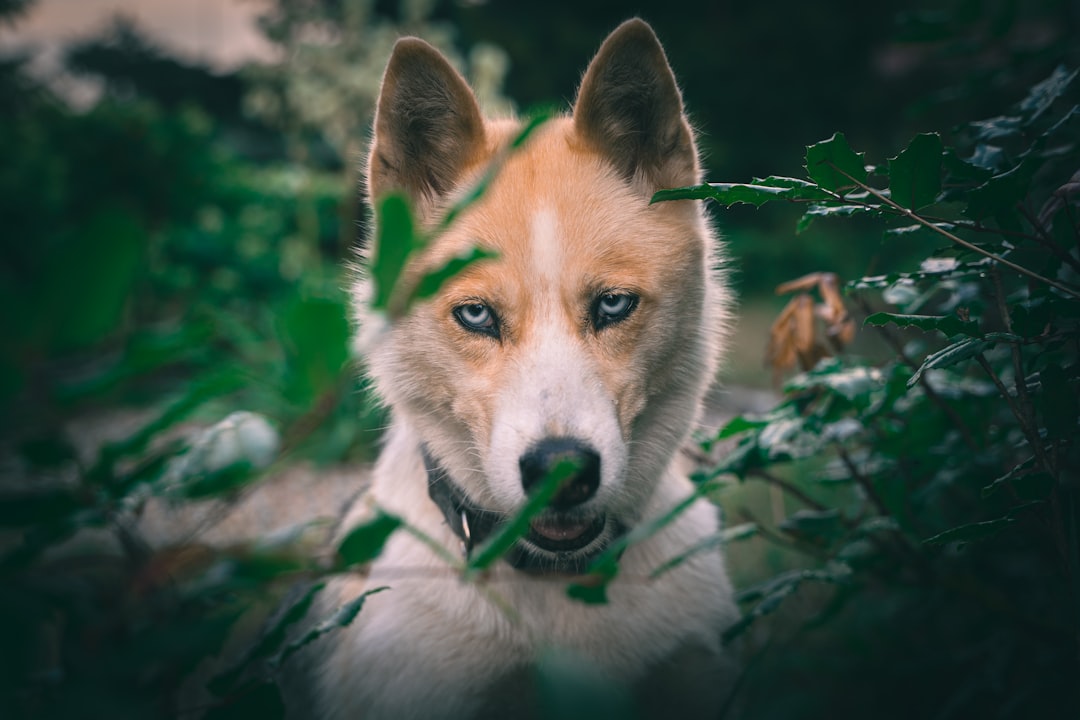
Photo by Katarzyna Zygnerska on Unsplash
Dog chemotherapy after amputation is scary to face — but understanding what’s coming makes the whole process more manageable for both of you.
If your dog just had a limb removed and your vet is now talking about chemotherapy, you’re probably doing a lot of frantic Googling at midnight. I know that place. When you’re still processing the surgery and your dog is learning to navigate on three legs, the idea of chemo layered on top can feel crushing. The goal of this guide is to walk you through what chemotherapy after amputation actually looks like in practice — why it’s recommended, what the schedule tends to be, what side effects to watch for, and how to keep your dog as comfortable as possible through it all.
Why Is Chemotherapy Recommended After Amputation?
Chemotherapy is recommended after amputation because surgery alone removes the visible tumor but cannot eliminate cancer cells that may have already spread through the bloodstream. For osteosarcoma — the most common reason dogs undergo limb amputation for cancer — studies cited by the American College of Veterinary Surgeons indicate that the vast majority of dogs already have microscopic spread (called micrometastasis) at the time of diagnosis, even when imaging shows no obvious distant tumors. Chemo targets those circulating cells before they can establish new tumors, most commonly in the lungs.
Without chemotherapy after amputation for osteosarcoma, median survival times are significantly shorter than with it. With chemotherapy, many dogs gain several additional months of good-quality life. It’s not a cure, and your oncologist will be honest with you about that. But for most families, those additional months are absolutely worth it.
Chemo may also be recommended after amputation for other cancer types — soft tissue sarcomas, synovial cell sarcomas, and others — though the specific drugs and expectations differ. Your oncologist will explain what drives the recommendation for your dog specifically.
- Surgery first, then a healing window of roughly two to four weeks
- Oncology consult ideally scheduled before or shortly after surgery
- First chemo session once the incision is closed and healing well
- Sessions spaced approximately three weeks apart (varies by protocol)
- Blood work drawn before each session to check organ function
What Does a Chemo Protocol Actually Involve?
For osteosarcoma, the two most commonly used drugs are carboplatin and doxorubicin, sometimes alternated, sometimes used alone. Each session is typically a short outpatient appointment — your dog is dropped off, receives the infusion under staff supervision, and goes home the same day. Sessions usually last a few hours.
Before every session, your oncologist will run bloodwork to check your dog’s white blood cell count, kidney function, and liver function. If those numbers are off, they’ll delay the session rather than risk your dog’s safety. This feels frustrating in the moment, but it’s the right call.
A few practical things to know:
- Drug handling at home: Some chemotherapy drugs are excreted in urine and feces for 48–72 hours after treatment. Your oncologist will give you specific instructions — typically wearing gloves when cleaning up waste during that window and washing bedding separately.
- Appetite changes: Many dogs lose appetite for a day or two after a session. Having bland, appealing foods on hand helps. Your oncologist can also prescribe anti-nausea medication to use at home.
- Energy dips: Some dogs are tired for two to three days after a session, then bounce back. Others barely skip a beat. There’s real variation here.
- Infection risk: Chemo can lower white blood cell counts, which suppresses the immune system. Watch for fever, lethargy, vomiting, or diarrhea in the week after a session — those warrant a same-day call to your oncologist.
- Fever (rectal temperature above 103°F / 39.4°C)
- Vomiting or diarrhea lasting more than 24 hours
- Refusal to eat for more than two days
- Extreme lethargy or inability to get up
- Bloody stool or urine
How Do I Keep My Tripod Dog Comfortable During Treatment?
The physical demands of being a three-legged dog don’t pause for chemo, and that’s one of the underappreciated challenges of this period. Your dog is rebuilding strength on three legs while also managing the side effects of treatment. The two things support each other when you get the routine right.
Rest and activity balance: On the two to three days after a chemo session when your dog may feel off, scale back activity. Short, slow bathroom walks are enough. As energy returns, resume the gentle exercise progression your surgical team recommended. Staying too sedentary for too long actually works against the muscle rebuilding that three-legged dogs need.
Nutrition: This is not the time for strict dieting. Your dog needs calories and protein to maintain muscle and support immune function. If appetite is reduced after sessions, warming food slightly or offering high-value toppers (boiled chicken, low-sodium broth) can help. Ask your oncologist before making major diet changes — some supplements interact with chemotherapy drugs.
Incision and stump monitoring: Even after the surgical site looks healed, keep an eye on it throughout the chemo period. Immunosuppression can slow healing of any new skin irritation. Check the area at each grooming session and flag anything new to your vet. The guide on tripod dog stump care has specifics on what to watch for.
Joint protection: Your remaining three legs — especially the front leg on the side of a rear amputation, or vice versa — are working harder than ever. Keeping your dog at a healthy weight reduces that load significantly. The tripod dog nutrition guide covers weight targets worth discussing with your vet.
- Keep a simple symptom log: appetite, energy, stool quality, any vomiting
- Share the log at each oncology appointment — it helps them adjust dosing
- Maintain gentle daily movement on good days to preserve muscle
- Ask for anti-nausea meds proactively if your dog struggled after the last session
- Keep a consistent schedule — dogs feel more settled with predictable routines
What About Emotional Support — for Both of You?
This part doesn’t get talked about enough. Caring for a dog going through cancer treatment while they’re also adjusting to life on three legs is genuinely hard. The community at Tripawds has been a lifeline for many families in exactly this situation — real owners sharing real experiences about the chemo period, not just the surgery.
From what I’ve heard from owners who’ve been through it: the anticipation of each session is often harder than the sessions themselves. Dogs are remarkably resilient. Many are wagging their tails in the car on the way to their oncology appointments. That doesn’t mean it’s easy — but it does mean your dog is likely handling this better than you fear.
Give yourself permission to grieve the diagnosis while also celebrating the good days. Both things can be true at once.
- What specific side effects should I watch for with this drug?
- When in the cycle is my dog most immunocompromised?
- What at-home medications should I have on hand?
- How will we know if the treatment is working?
- What does the end of the protocol look like, and what’s the monitoring plan after?
Related Reading
- Osteosarcoma in Dogs: When Amputation Is the Answer
- Life After Amputation: How to Care for Your Tripod Dog
- Tripod Dog Pain Management: Post-Op to Long-Term Joints
Frequently Asked Questions
How soon after amputation does chemotherapy typically start?
Most oncologists aim to start chemotherapy within two to four weeks of amputation, once the incision has healed well enough. Starting too early raises infection risk, so your oncologist will clear the surgical site before beginning. The exact timing depends on your dog’s recovery speed and overall health.
Will my dog feel sick during chemotherapy?
Some dogs tolerate chemo remarkably well, while others experience nausea, appetite loss, or fatigue for a few days after each treatment. Dogs generally handle chemotherapy better than humans do — the doses used in veterinary oncology are calibrated to minimize side effects while still targeting cancer cells. Keeping a symptom log between sessions helps your oncologist adjust the protocol if needed.
How many chemo sessions will my dog need?
A typical osteosarcoma protocol involves four to six sessions of carboplatin or doxorubicin, spaced roughly three weeks apart. Other cancer types may use different drugs and schedules. Your veterinary oncologist will outline the full protocol at your first appointment and adjust it based on how your dog responds.
Can I be with my dog during chemo infusions?
Most veterinary oncology clinics do not allow owners in the treatment area during infusions, both for patient safety and to protect owners from drug exposure. Your dog will be monitored closely by staff throughout. Drop-off appointments typically last a few hours, and you’ll get an update call when your dog is ready.
This guide is based on real experience and should be used alongside professional veterinary care. Always consult your veterinarian before starting any new treatment or making changes to your dog’s care plan.